US chip export controls pushed China toward self-sufficiency, says Rakesh Kumar
In brief
- Rakesh Kumar spent four years warning chip export controls would push Beijing toward self-sufficiency.
- Nvidia held 34% of China's AI accelerator market in H1 2026, according to Crypto Briefing.
- Huawei reached 28% (572,000 units), per the same report, which doesn't name its data source.
- EUV lithography remains the key choke point; China still relies on foreign equipment for advanced nodes.
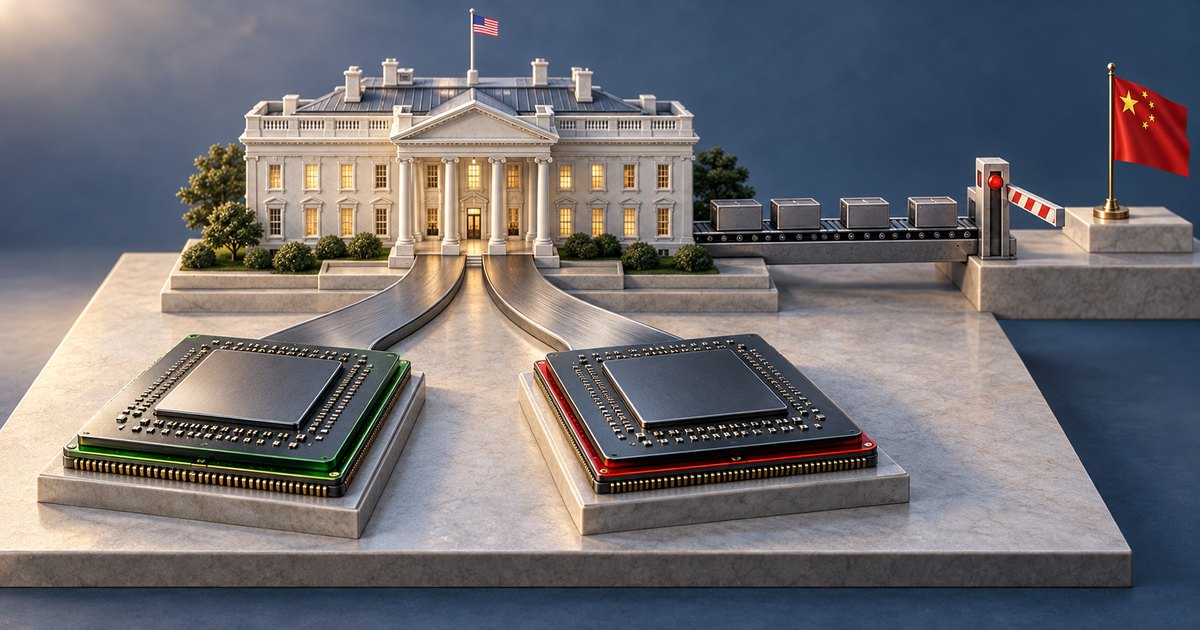
Kumar's warning hasn't changed in four years: export restrictions would push Beijing toward self-sufficiency. Now he thinks the data backs him up.
“I’m not going to say ‘I told you so,'” Kumar said. “But it really is ‘I told you so.'”
What the shipment figures show
Crypto Briefing reported that Nvidia's share of China's AI accelerator market fell to 34% in the first half of 2026, which works out to 678,000 units shipped. Huawei climbed to a 28% share over the same period (572,000 AI accelerators shipped in China), and total shipments reached roughly 2 million units.
The outlet doesn't name where those numbers came from.
According to the report, the data points to a shift toward non-GPU chips. That's significant because GPUs are Nvidia's core market. Local Chinese companies are increasingly using domestic hardware where foreign products used to sit.
Where the controls still bite
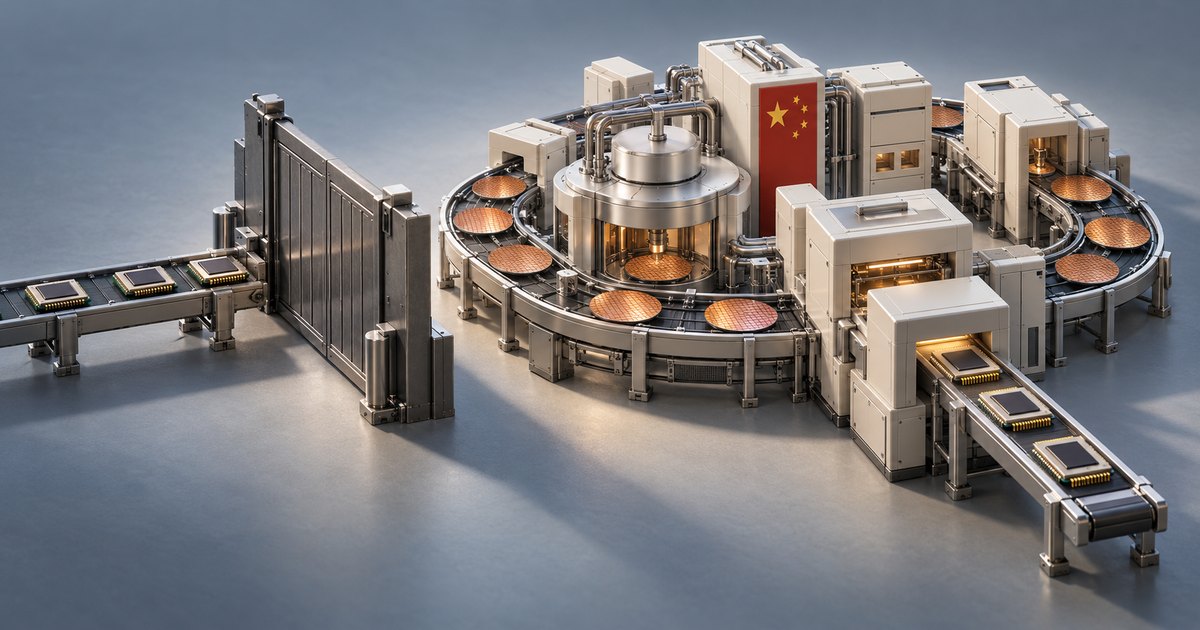
China hasn't escaped the restrictions entirely. Rules from the Biden administration and allied nations such as the Netherlands have constrained the country's ability to produce the most advanced chips, Crypto Briefing reported, and EUV lithography is the key choke point (the machines are essential for leading-edge manufacturing). China has put tens of billions of dollars into its semiconductor supply chain over the past decade, yet it still relies on foreign equipment for advanced nodes.
Policy has shifted, too. In 2026, US export controls on advanced computing items moved toward case-by-case review rather than blanket rejection, including case-by-case licensing and tariff adjustments under the Trump administration.
Kumar's book and the India question
Kumar sets out his case in his 2026 book, Chip Age: How Semiconductors Became the World's Most Powerful Resource. It treats chips as a strategic resource and examines supply chain fragility, great-power rivalry and the demand AI is creating. In a recent interview, Kumar described China as both a template and a warning for countries like India.
For policymakers, Crypto Briefing wrote, the lesson Kumar has been pressing is about second-order effects: export controls can protect a technological lead at the cutting edge while, in effect, funding a rival's domestic alternatives below it.
Frequently asked questions
Who is Rakesh Kumar and what has he argued about US chip controls?
Rakesh Kumar is a professor of electrical and computer engineering at the University of Illinois Urbana-Champaign. He criticized US chip export controls aimed at China for four years and warned they would push Beijing toward self-sufficiency. He sets out the argument in his 2026 book, Chip Age.
What is the main choke point in restrictions on China's chipmaking?
Crypto Briefing describes EUV lithography as the key choke point and says the machines are essential for leading-edge chip manufacturing. China has invested tens of billions of dollars in its semiconductor supply chain over the past decade but still relies on foreign equipment for advanced nodes.