US, Denmark, Greenland reach High North security agreement
In brief
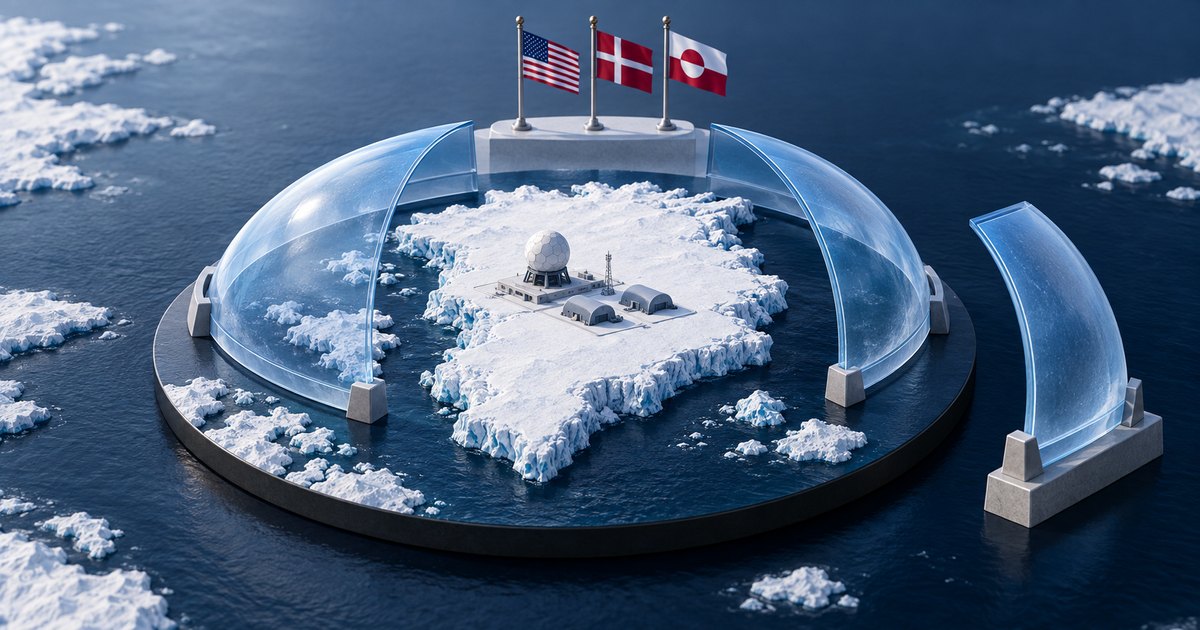
- US, Denmark, Greenland announce High North security agreement with expanded military presence.
- Agreement resolves long-standing dispute over US military access to Greenland.
- Parliamentary approval required in Denmark and Greenland before implementation.
Agreement Framework and Next Steps
The agreement reportedly includes expanded U.S. military presence while preserving the constitutional arrangements that define Denmark's relationship with Greenland. Formal signatures from the parties involved are crucial for the agreement's implementation, and the deal will require formal signing and parliamentary approval in both Denmark and Greenland to take full effect.
The timing reflects broader strategic concerns. This development comes amid a long-standing dispute over U.S. military access to Greenland, which is part of the Kingdom of Denmark. The negotiations underscore how Arctic geopolitics intersect with NATO's regional posture.
Political Hurdles and Opposition
The path to ratification carries real uncertainty. Any parliamentary opposition could delay or block the agreement's ratification, and both nations have constituencies with concerns about expanded foreign military footprints.
In Greenland, independence advocates and opposition figures have historically viewed expanded U.S. military presence as a sovereignty concern. They argue that deepening military ties with Washington could constrain Greenland's ability to chart its own foreign policy course. Danish opposition parties have raised similar questions about the extent of commitments being made without full public debate. These voices represent a genuine political constraint on swift ratification, despite government backing for the accord.
Strategic Implications
The developments in this diplomatic agreement may have broader implications for NATO and Arctic security dynamics. The agreement, if ratified, would reshape how the alliance approaches Arctic deterrence and regional partnerships at a time when Arctic competition has intensified.