Vanguard Singapore fab sells out before launch, expansion planned
In brief
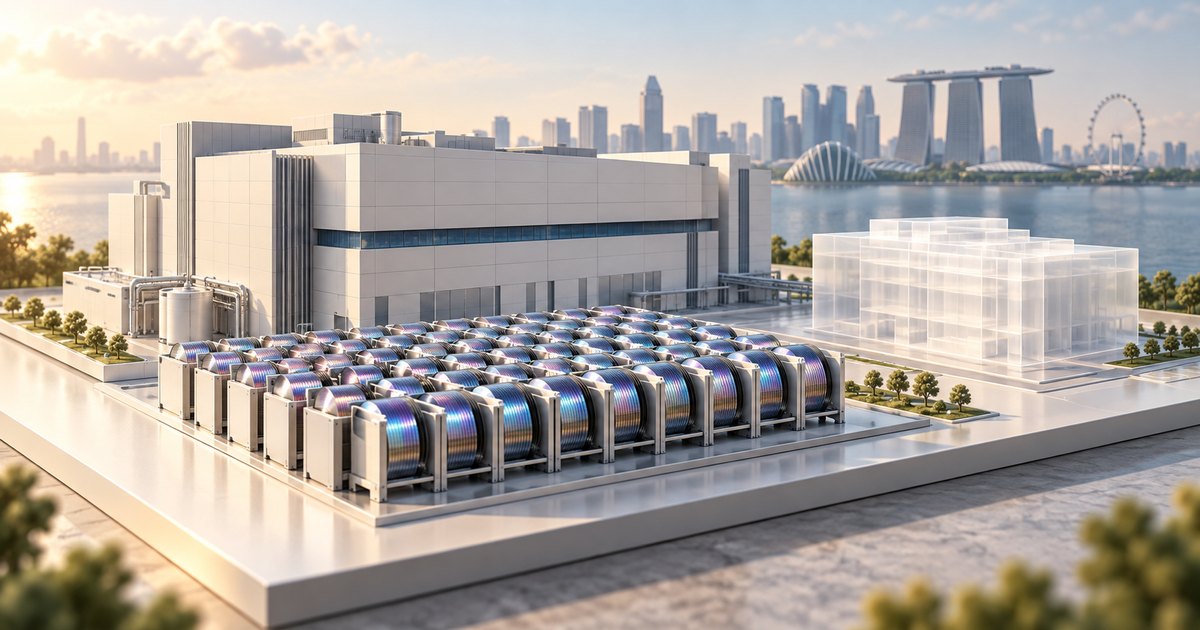
- Vanguard inaugurated its first 300mm Singapore fab on September 28, 2026, with full utilization expected by 2028, one year ahead of schedule
- The facility's 44,000 wafers-per-month capacity is completely booked before volume production begins in Q1 2027
- Vanguard is evaluating a second Singapore fab to meet surging specialty chip demand
- The first fab cost $6.7 billion, below the original $7.8 billion estimate, and created roughly 1,600 jobs
Ahead of Schedule
Full utilization of the first facility is now expected by 2028, a full year earlier than the original projections. The plant was built in under two years, with volume production targeted for Q1 2027. This acceleration reflects a fundamental mismatch between chip supply and market appetite for specialty semiconductors.
VIS chairman Leuh Fang flagged the expansion possibility in May 2026, noting that demand was climbing faster than modeled. The first facility's investment came in at approximately $6.7 billion, actually below the original $7.8 billion estimate, suggesting the company built efficiently and may have room to replicate that model.
Specialty Chips and Strategic Partnerships
The Singapore fab processes specialty chips ranging from 130nm to 40nm, with a shift to incorporate silicon interposer production licensed from TSMC, using 30-40nm technology. Vanguard operates a joint venture with NXP Semiconductors called VisionPower Semiconductor Manufacturing Company (VSMC), and TSMC holds a 27% stake in VIS, anchoring the project within Asia's semiconductor ecosystem.
The first fab has created approximately 1,600 jobs so far, positioning the expansion as a meaningful contributor to Singapore's tech workforce. The company is now evaluating plans for a second wafer fab on the island nation, a move that would signal confidence in both the market and the jurisdiction's operational stability.
Demand for specialty chips continues to outpace supply. When your entire initial capacity sells out a year ahead of schedule, that's less of a decision and more of a math problem.