Zelenskyy warns Ukraine conflict may extend into winter amid energy threats
In brief
- Zelenskyy signals conflict may continue into winter without resolution
- Russia's energy infrastructure attacks intensify as temperatures drop
- Ceasefire probability for Dec 31, 2026 fell to 23.5% from 34%
- US envoy diplomatic efforts yield limited breakthroughs
- Fighting persists across multiple regions despite peace negotiations
Energy Infrastructure Under Siege
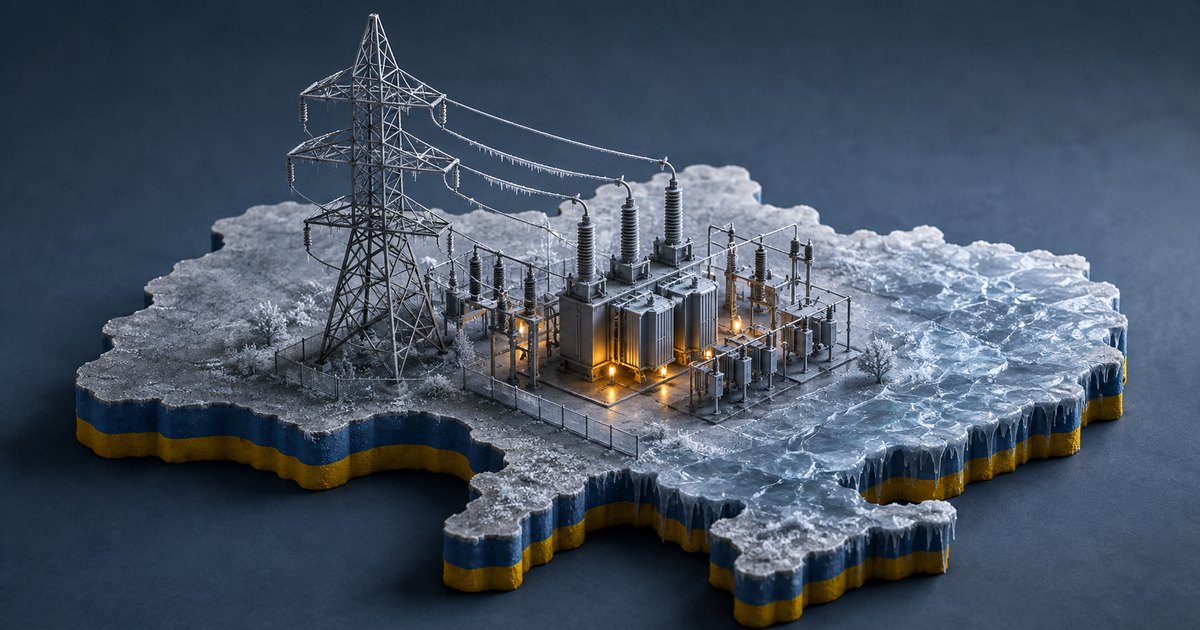
Russia's targeting of Ukraine's power grid compounds the humanitarian stakes as winter approaches. Zelenskyy emphasized the need for continued international support, particularly to withstand Russia's attacks on Ukraine's critical infrastructure. Without functioning heating and electricity systems, civilian populations face compounding hardship. The energy crisis isn't merely a tactical concern—it's become a defining feature of the conflict's toll.
Diplomatic Stalemate Deepens
Despite recent diplomatic efforts, including US envoys shuttling between Moscow and Kyiv, no significant breakthroughs have been announced. Market-based probability assessments reflect this impasse. The December 31, 2026, ceasefire market reflects a lowered 23.5% probability of a formal agreement, a decrease from 34% just 24 hours prior. The sharp decline suggests market participants view near-term resolution as increasingly unlikely.
Earlier indicators painted a similar picture. The October 31, 2026, market saw the likelihood of a formal agreement drop to 12.5%, signaling a pattern of deteriorating ceasefire expectations. Fighting persists in various regions of Ukraine despite months of diplomatic engagement.
Zelenskyy's warning reflects the reality on the ground—a conflict with no clear endpoint. Winter will test both Ukraine's resilience and the international community's commitment to sustained support.