Aave proposal for USAT-backed GHO swaps would tie the return route to ongoing approval
In brief
- TokenLogic proposed a permissioned GHO Stability Module on Avalanche on Oct. 15.
- Approved counterparties could swap waUSAT, a USAT receipt on Aave V4, for GHO.
- Approval revocation would block further swaps, including those meant to recover deposits.
- Addresses, pricing strategy and the final USAT integration remain unspecified.
- A Snapshot vote still precedes any implementation proposal.
How the proposed swap would work
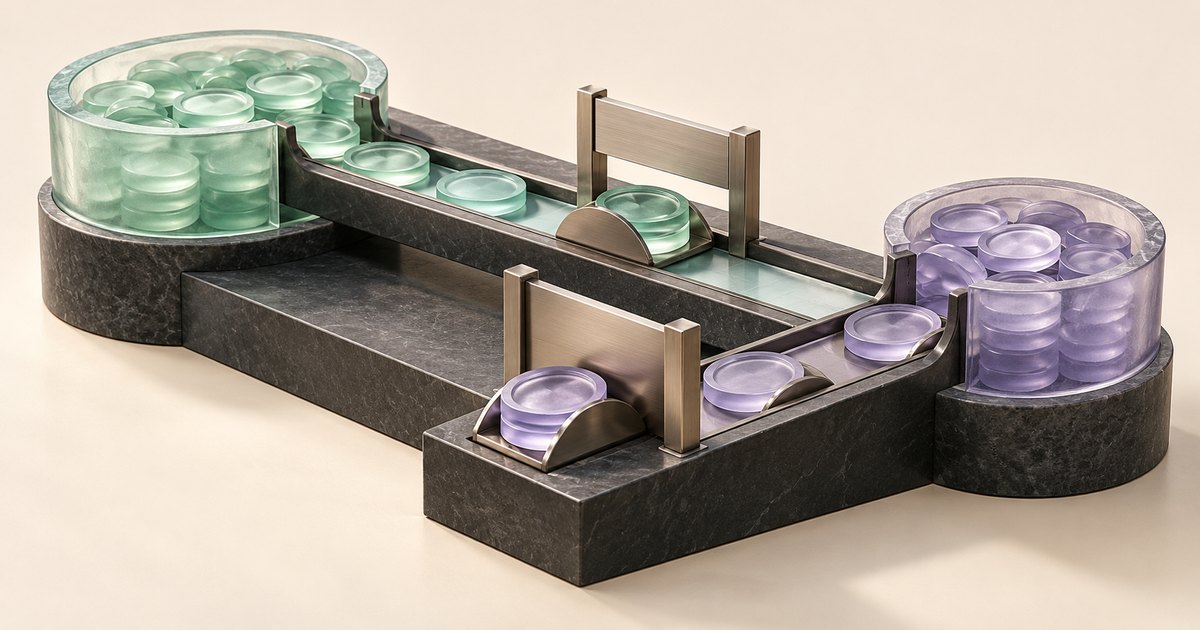
Under the proposed entry route, an approved counterparty would supply USAT to Aave V4's Tokenization Spoke and receive waUSAT. It'd then swap those receipt tokens for GHO through the GSM (which would hold the waUSAT while the USAT stayed supplied to Aave). The module wouldn't track individual principal balances or require a participant's swaps to match earlier deposits.
The initial whitelist would include a commercial counterparty and an Aave DAO Safe controlled by the Aave Finance Committee, both using the same liquidity and pricing.
The route back to dollars
The return leg is where it gets complicated.
TokenLogic stated that revoking approval would prevent further swaps, including swaps meant to recover previously deposited assets, and said those restrictions would need to be reflected in counterparty agreements. GHO received through the module would stay freely transferable, even for someone whose access was revoked. The return swap itself would only recover a receipt token (not USAT or dollars directly).
CryptoSlate's analysis identifies three separate conditions on the route back to dollars: return-swap access, withdrawing underlying USAT from lending, and eligibility to redeem USAT with issuer Anchorage Digital Bank. Aave V4 withdrawals require a sufficient withdrawable amount and an unpaused reserve. TokenLogic said getting the USAT behind recovered waUSAT would depend on the selected integration and available liquidity. The proposal also keeps emergency controls: freezing would halt exchanges, and seizure would move module-held assets to the designated treasury.
Parameters aren't final
The specification lists zero fees in both swap directions, though that wouldn't remove the issuer's separate USAT redemption fee. The pricing strategy and its address are still to be determined. CryptoSlate also flagged that the bridge table labels 66 million GHO of outbound capacity as 110% of initial funding, while 110% of 65 million GHO is 71.5 million; the intended setting hasn't been resolved. After funding, proposed ongoing capacities would return to 5 million GHO each way, with a 1,000 GHO-per-second refill rate.
Important addresses and contracts remain unspecified, as does the final USAT receipt-token integration. As of Oct. 18, the next steps listed were a Snapshot vote and, if approved, an implementation proposal. It's not a live Aave feature yet.
Frequently asked questions
What would happen if a participant's approval in the proposed Aave GSM were revoked?
TokenLogic stated that revoking approval would prevent further swaps, including swaps meant to recover previously deposited assets. GHO already received through the module would remain freely transferable, even for a participant whose access was revoked.
Does the return swap in the proposed module give back USAT or dollars?
No. Under the proposal, the return swap would recover waUSAT, a receipt token, and wouldn't directly deliver USAT or dollars. TokenLogic said obtaining the underlying USAT would depend on the selected integration and available liquidity.
Is the USAT GHO Stability Module live on Aave?
No. As of Oct. 18, the proposal listed a Snapshot vote as its next step, followed by an implementation proposal if approved. Important addresses, contracts, the pricing strategy and the final USAT receipt-token integration were still unspecified.