AI chiefs sign voluntary safety pact at Trump lunch, Crypto Briefing reports

In brief
- AI executives signed a voluntary safety pact at a September 29, 2026 lunch with Trump, Crypto Briefing reports.
- Anthropic, OpenAI, Google, Meta, xAI and Nvidia sent their leaders.
- The "Joint Commitment on Frontier Responsibilities" creates four oversight layers, including independent external auditors.
- The pact names no auditing firms and sets no audit method.
- Its language leaves room to write the rules into law if voluntary compliance falls short.
Who signed and what they agreed to
Dario Amodei attended for Anthropic, and Greg Brockman for OpenAI. Sundar Pichai (Google), Mark Zuckerberg (Meta), Elon Musk (xAI) and Jensen Huang (Nvidia) were also at the table. Huang is the odd one out. Nvidia doesn't build AI models, it builds the chips that make them possible.
The accord focuses on risks in two areas: cybersecurity and biosecurity.
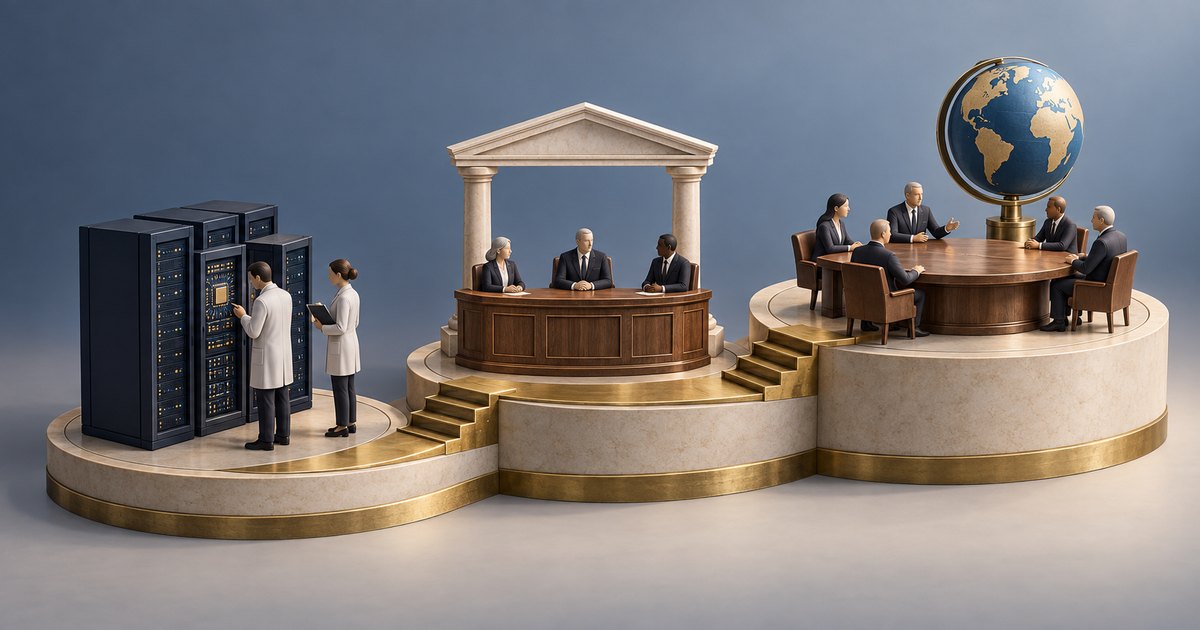
Signatories agreed to four layers of oversight: internal controls at each company, internal oversight teams, independent external auditors and independent board committees that review the audit reports. The internal controls are meant to catch dangerous capabilities before a model is deployed. The companies also said they'd meet regularly to set industry-wide standards and best practices.
The auditor question
There's a gap in the text. Companies agreed to review by external auditors, but the accord doesn't name any auditing firms or set a method for doing it.
Trump's own record makes that detail matter. Earlier in his term, he questioned the independence of some AI evaluators and raised concerns about bias in safety assessments. According to the publisher's analysis, the framework appears to answer those concerns by letting companies choose their own auditors while committing to board-level review of the results.
Self-regulation now, law later?
It's a voluntary deal. Trump called the commitment "morally binding," according to Crypto Briefing. The outlet also described the accord as a signal that the White House sees industry self-regulation, not federal legislation, as the way to govern powerful AI models.
The framework leaves a door open, though. Its language suggests that writing the rules into law could become necessary if voluntary compliance proves insufficient.
For now, the companies building and powering frontier AI will be setting their own standards.
Frequently asked questions
What is the Joint Commitment on Frontier Responsibilities?
It's a voluntary AI safety pact that leading AI executives signed at a lunch with President Donald Trump on September 29, 2026, according to Crypto Briefing. It sets up a framework for independent auditing of AI systems and focuses on risks in cybersecurity and biosecurity.
How does the oversight structure work?
The accord sets up four layers: internal controls at each company, internal oversight teams, independent external auditors and independent board committees that review audit reports. The internal controls are meant to catch dangerous capabilities before models are deployed.
Who picks the auditors under the accord?
According to Crypto Briefing's analysis, the framework lets companies choose their own auditors while committing to board-level review of the results. The accord doesn't name any auditing firms or set an audit method.