AI demand pushes four-layer PCB prices up 10–15% in 4Q26, TrendForce says
In brief
- Four-layer PCB prices rose 10–15% quarter over quarter in 4Q26, according to TrendForce.
- TrendForce linked the rise to glass fiber cloth going first to AI and high-speed substrates.
- P1.25 COB and SMD display BOM costs rose about 2% quarter over quarter.
- MiP display BOM costs fell about 4% after package prices dropped nearly 9%.
- High-end PCB prices should keep rising into 1Q27, though more slowly, TrendForce expects.
Why AI is squeezing board supply
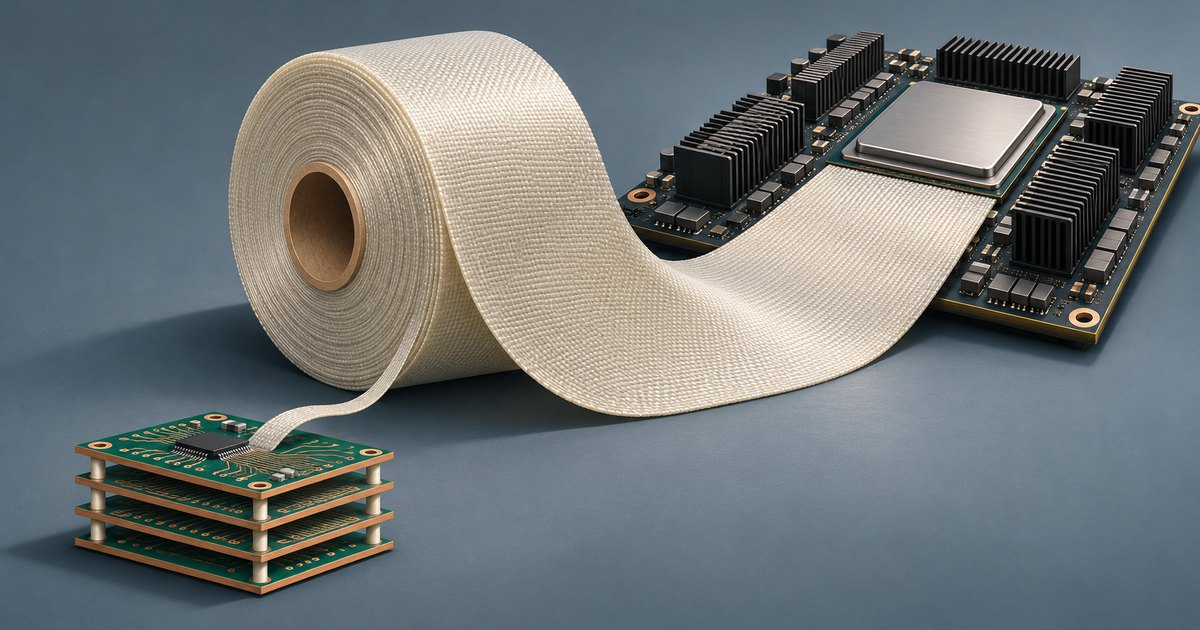
Glass fiber cloth is one of the core materials used to make PCBs. So why are LED display boards paying for the AI buildout? TrendForce said that electronic-grade cloth is going first to AI computing and high-speed substrates, which means there's less of it for standard boards (and it's the boards that felt it).
According to TrendForce, PCBs showed the most notable price movement of any component during the quarter. Mini LED chips, SMD LED packages, driver ICs and controllers kept stable pricing, per the report.
What it did to LED display costs
TrendForce used P1.25 displays (a 1.25 mm pixel pitch) as its benchmark. For P1.25 Chip-on-Board (COB) and Surface-Mount Device (SMD) displays, the overall bill-of-materials cost rose about 2% quarter over quarter. TrendForce's research indicated that manufacturers had to absorb the PCB cost increase, and that's where the 2% BOM rise showed up.
MiP went the other way.
For P1.25 Matrix-in-Package (MiP) displays, BOM costs fell by about 4% quarter over quarter, which TrendForce linked to a nearly 9% drop in MiP package prices. LED display power supply prices also fell 5–15%, according to TrendForce, with the largest declines in high-end units.
Crypto Briefing's own analysis argued that MiP could become more cost-competitive for P1.25 projects if MiP package prices keep falling while COB and SMD absorb board inflation. That's the publication's view, not TrendForce's.
What TrendForce expects for 1Q27
The supply problem isn't going away fast. TrendForce noted that expanding glass fiber cloth production takes a long time, so tight supply tends to persist.
The firm projected that high-end PCB prices would likely keep rising into 1Q27, though more slowly than they did in 4Q26. Conventional two-layer boards don't follow the same path in TrendForce's outlook. It said their prices could stabilize or even decrease.
Frequently asked questions
Why did four-layer PCB prices rise in the fourth quarter of 2026?
TrendForce attributed the 10–15% quarter-over-quarter rise to a tighter supply of electronic-grade glass fiber cloth. That material is being prioritized for AI computing and high-speed substrates, and glass fiber cloth is one of the core materials used to make PCBs.
How did higher PCB prices affect LED display costs?
For P1.25 COB and SMD displays, the overall bill-of-materials cost rose about 2% quarter over quarter, according to TrendForce. Its research indicated manufacturers had to absorb the PCB increase. MiP display BOM costs fell about 4%, helped by a nearly 9% drop in MiP package prices.
Will PCB prices keep rising in 2027?
TrendForce projected that high-end PCB prices would likely keep rising into 1Q27, though more slowly than in 4Q26, because expanding glass fiber cloth production takes a long time. It said conventional two-layer PCB prices could stabilize or even decrease.