Anthropic plans shareholder sales at IPO with extended lockup periods
In brief
- Anthropic allows shareholder sales during IPO while extending post-listing lockup periods
- Strategy differs from SpaceX and Cerebras, which blocked shareholder sales at IPO
- Extended lockups reduce post-IPO selling pressure and stabilize trading
- Approach balances early investor liquidity with market stability
IPO Structure: Liquidity with Guardrails
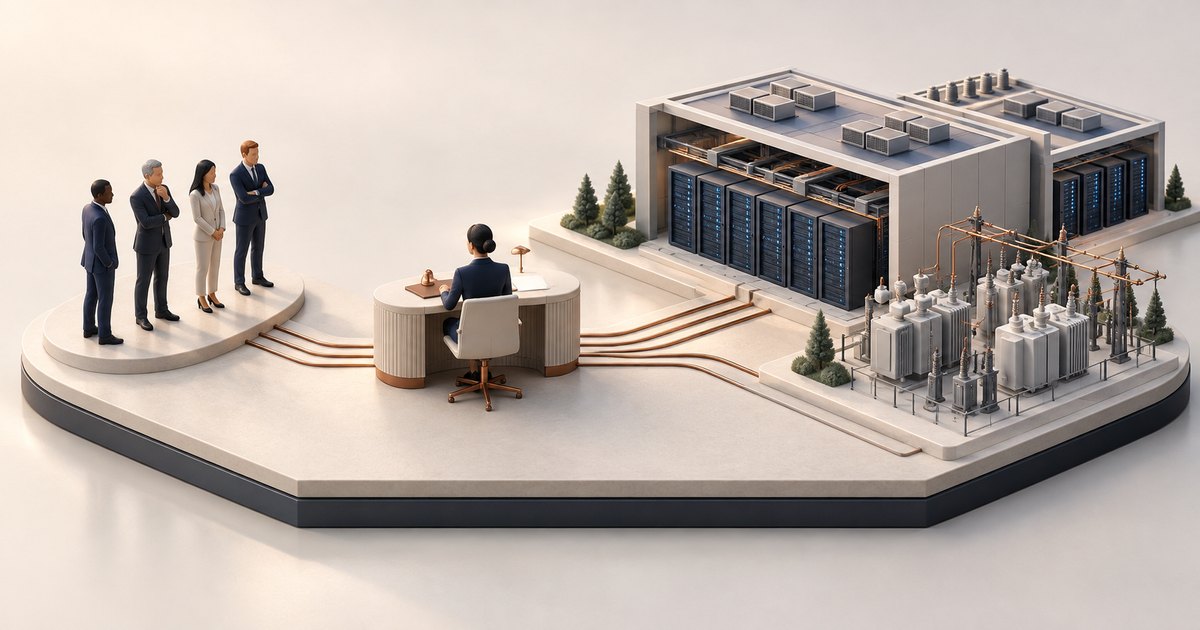
According to The Information, Anthropic's hybrid approach would give early investors and employees an opportunity to take some liquidity during the IPO while limiting the amount of stock that could enter the market shortly after trading begins. This contrasts with recent precedent: SpaceX and Cerebras restricted existing shareholders from selling shares in their offerings.
The structure reflects a middle ground. Anthropic is also considering extended post-IPO lockup periods designed to reduce the risk of heavy selling pressure following its market debut. Traditional IPO lockups typically prevent insiders from selling shares for a set period after a listing, but Anthropic's proposed terms appear more restrictive than standard practice.
Strategic Rationale and Trade-offs
The approach could help establish more stable trading conditions post-debut. By allowing some shareholder sales during the IPO itself, the company may reduce pent-up selling pressure that often destabilizes stock performance in the weeks following a listing.
Yet extended lockups carry tradeoffs worth examining. Critics argue that longer restrictions may primarily benefit founders and early investors by artificially constraining supply, potentially supporting valuations at the expense of later public shareholders. Some market observers view aggressive lockup periods less as genuine stability measures and more as mechanisms to protect insider economics during the critical early trading phase. The approach raises questions about whose interests the structure ultimately serves.
The strategy would differ from other major technology listings this year, signaling Anthropic's intent to chart its own path to market. As the company continues preparing for its public debut, the specifics of its lockup and secondary-offering terms will likely influence how other AI-focused companies structure their own IPO strategies.
Frequently asked questions
Why would Anthropic allow shareholder sales in an IPO if it's also imposing longer lockups?
The hybrid approach balances two goals: giving early investors some liquidity opportunity during the IPO itself, while restricting additional sales afterward to reduce post-listing selling pressure. This differs from competitors like SpaceX, which blocked all shareholder sales during their offerings.
What are traditional IPO lockups, and why does Anthropic's approach differ?
Traditional lockups prevent insiders from selling shares for a set period after listing. Anthropic's extended lockup periods appear more restrictive than standard practice, designed specifically to reduce heavy selling pressure that typically destabilizes stock performance in the weeks following a debut.
Could extended lockups benefit insiders more than public shareholders?
Critics argue that longer restrictions may primarily support founder and early investor valuations by artificially constraining supply, potentially benefiting them at the expense of later public shareholders. Some view aggressive lockup terms as price-support mechanisms rather than genuine stability measures.