Anthropic says Claude Mythos ports AI models to AMD chips in about three days
In brief
- Claude Mythos ported an AI model to AMD's MI355X GPUs in roughly three days.
- The same job previously took six to 12 months and dozens of engineers.
- Nvidia's share of contracted frontier-lab compute fell to around 39%, per Crypto Briefing.
- Anthropic's results cover only part of its workloads, not all of them.
What Anthropic showed
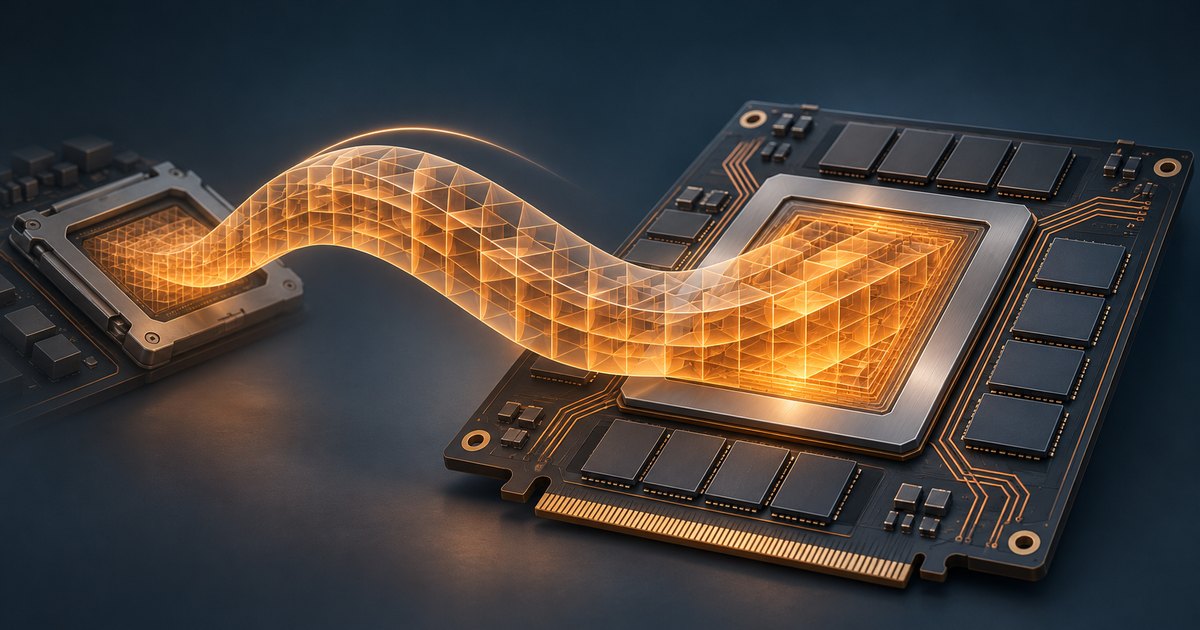
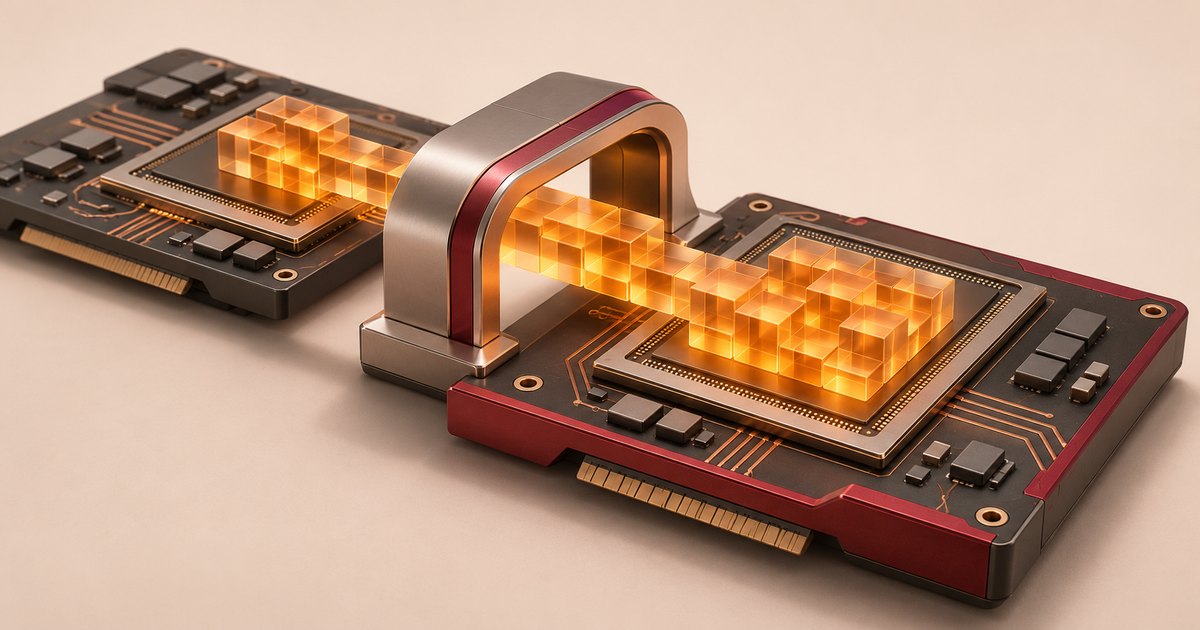
The headline capability is software that rewrites and tunes AI models to run on different hardware, largely on its own. The benchmark was AMD's MI355X GPUs. Claude Mythos ported a model to that chip in about three days (the prior norm was 6-12 months).
That matters because of CUDA.
Nvidia's edge has never rested on silicon alone. Crypto Briefing described its CUDA software ecosystem as the real lock-in, and said AMD's biggest obstacle had been software friction, not chip performance. If a model can rewrite its own way off CUDA in days, that friction shrinks a lot.
Where the money's moving
Anthropic's deal for AMD's Instinct GPUs is projected to reach multi-gigawatt scale, with the first phase set for the first half of 2027. AMD reportedly offers a per-gigawatt system cost roughly half that of some Nvidia platforms. Crypto Briefing also reported that Nvidia's share of contracted future AI compute capacity for frontier labs has fallen to around 39%, down from highs above 80% (it didn't name the underlying data source).
Google's TPUs sit in the same lane. They're custom chips built for AI workloads, and Alphabet uses them for its own AI work and for outside customers through Google Cloud. Crypto Briefing said they stand to benefit when model migration gets easier.
TSMC collects either way. It manufactures chips for Nvidia, AMD and Broadcom, so it earns revenue no matter which designer wins the customer, though it's already operating amid ongoing capacity constraints.
The caveats
Companies don't appear to be cutting AI spending. According to Crypto Briefing, they're spreading chip purchases across vendors in response to cost pressures and supply chain risks. For Nvidia, that makes the risk less about losing near-term sales and more about losing pricing power over time.
Anthropic's results also have limits. They cover part of its workloads, not all of them, and porting a model isn't the same as running it at peak efficiency on every task.
Frequently asked questions
Why does Anthropic's chip porting result matter for Nvidia?
Crypto Briefing described Nvidia's CUDA software ecosystem as the main source of its customer lock-in, and said AMD's biggest obstacle had been software friction, not chip performance. Software that ports models to other hardware on its own weakens that friction. Crypto Briefing said the risk for Nvidia is less about near-term sales and more about pricing power over time.
How long did it take to port an AI model to AMD chips before Claude Mythos?
According to Crypto Briefing, the job used to take six to 12 months and dozens of engineers. Anthropic said Claude Mythos ported an AI model to AMD's MI355X GPUs in about three days with basically no human intervention.
What are the limits of Anthropic's results?
Anthropic's results covered only part of its workloads, not all of them. Porting a model to new hardware is also different from running it at peak efficiency on every task.