Apple A20 Pro chip debuts on TSMC 2nm for iPhone 18 Pro
In brief
- A20 Pro is first iPhone chip built on TSMC's 2nm process node
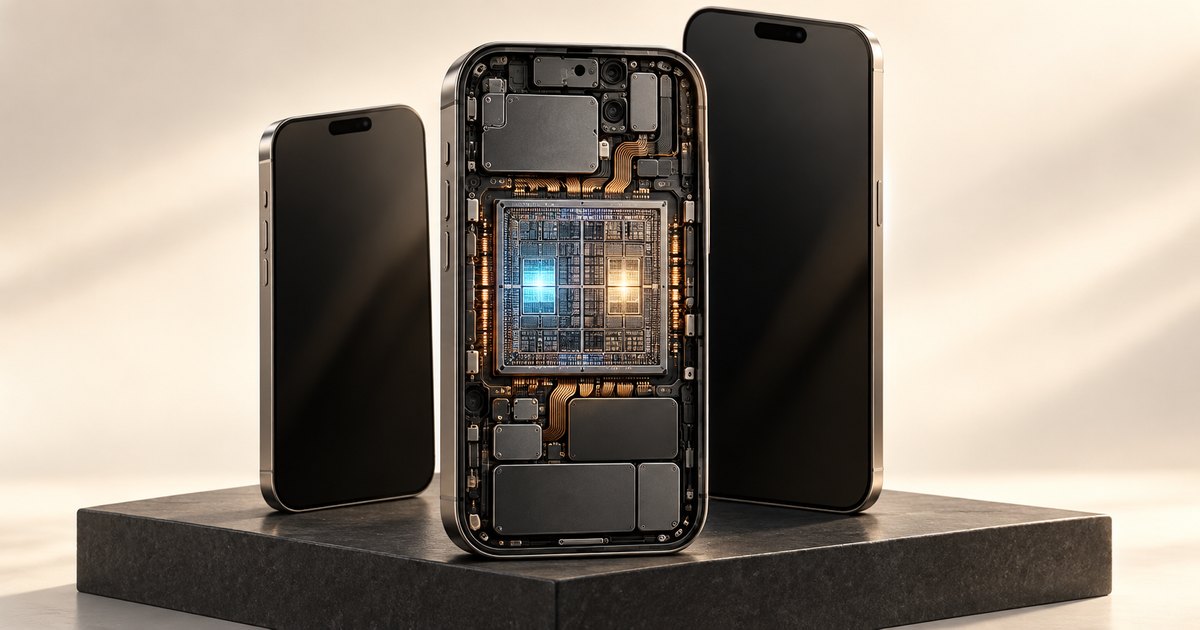
- Dual 16-core Neural Engines deliver 2x AI compute power versus A19 Pro
- Redesigned 6-core CPU with super cores 20% faster than A19 Pro
- 50% memory bandwidth boost via widest iPhone interface ever
- Powers iPhone 18 Pro, Pro Max, and new iPhone Duo
Architecture and Performance Gains
The A20 Pro packs a redesigned 6-core CPU. Two cores are what Apple calls "super cores," claimed to be 20% faster than the performance cores in the A19 Pro. The remaining four efficiency cores handle lighter tasks without draining battery. A 7-core GPU delivers up to 40% higher performance compared to the A19 Pro, addressing the growing demand for graphics-intensive apps and gaming on mobile devices.
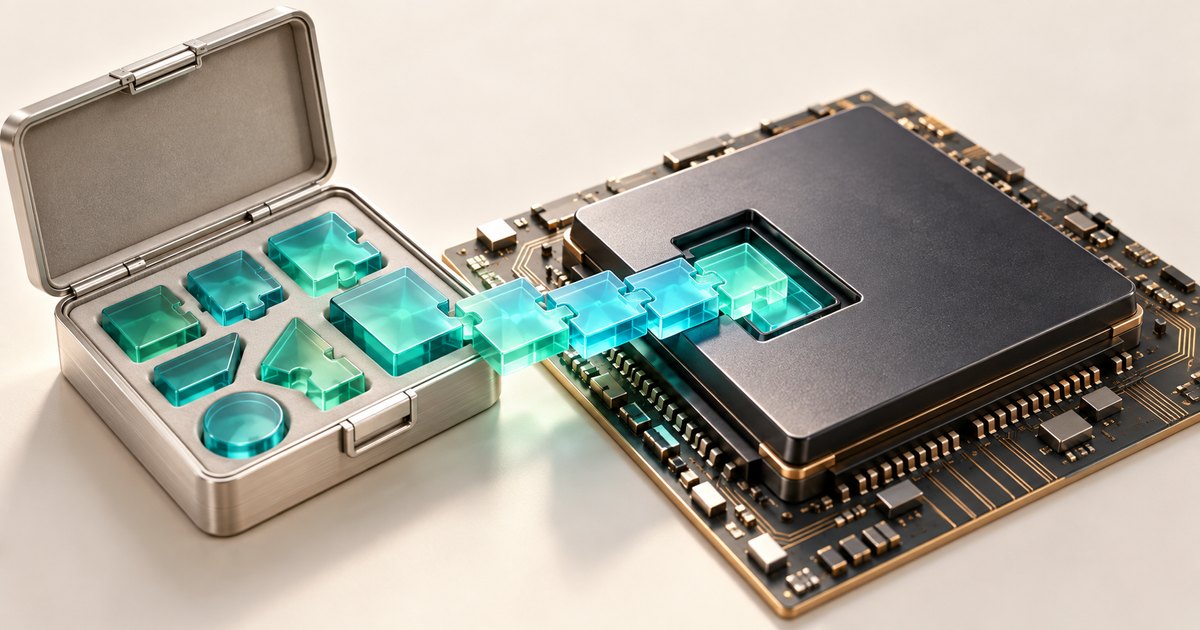
Memory bandwidth received a 50% boost, made possible by what Apple describes as the widest memory interface ever used in an iPhone. This leap stems from wafer-level multi-chip module packaging, a technique that places DRAM directly adjacent to the die, reducing latency and improving data throughput.
The AI Bet
The most striking change sits in the neural compute stack. The A20 Pro features dual 16-core Neural Engines for a total of 32 cores, providing 2x the AI compute power versus its predecessor. This doubling signals a strategic pivot: Apple's betting that on-device AI—not cloud processing—will define smartphone differentiation in the coming years.
Apple didn't disclose transistor counts or specific power consumption figures for the A20 Pro, leaving room for speculation about efficiency gains. Yet the architectural choices suggest the company is pushing hard on inference speed and local model execution.
Process Leadership
Apple has historically been TSMC's largest and earliest adopter of cutting-edge manufacturing processes. The move to 2nm underscores this pattern. More importantly, Apple's adoption of wafer-level multi-chip modules in a phone—rather than just in data center chips—signals that this packaging technique is ready for high-volume consumer electronics. That's a milestone not just for Apple, but for the entire smartphone industry.
Frequently asked questions
Why did Apple double the Neural Engine cores in the A20 Pro?
Apple's decision to increase neural engine cores from 16 to 32 reflects a strategic bet that on-device AI will be the primary driver of smartphone differentiation going forward, rather than relying on cloud-dependent processing. This enables faster, more private AI inference directly on the phone.
What is wafer-level multi-chip module packaging?
WMCM is a packaging technique that places DRAM directly adjacent to the processor die, reducing latency and boosting memory bandwidth. Apple's adoption of this technology in a consumer phone suggests it's now ready for high-volume production.
How much faster is the A20 Pro compared to previous chips?
The A20 Pro delivers twice the sustained performance of the iPhone 16 Pro and 40% more than the iPhone 17 Pro. Its super cores are 20% faster than the A19 Pro's performance cores, and the GPU offers up to 40% higher performance.