Atlas Energy surges 19% on $613M AI infrastructure contracts
In brief
- Atlas Energy inked $613.5M cost reimbursement deals with unnamed frontier AI lab on September 25.
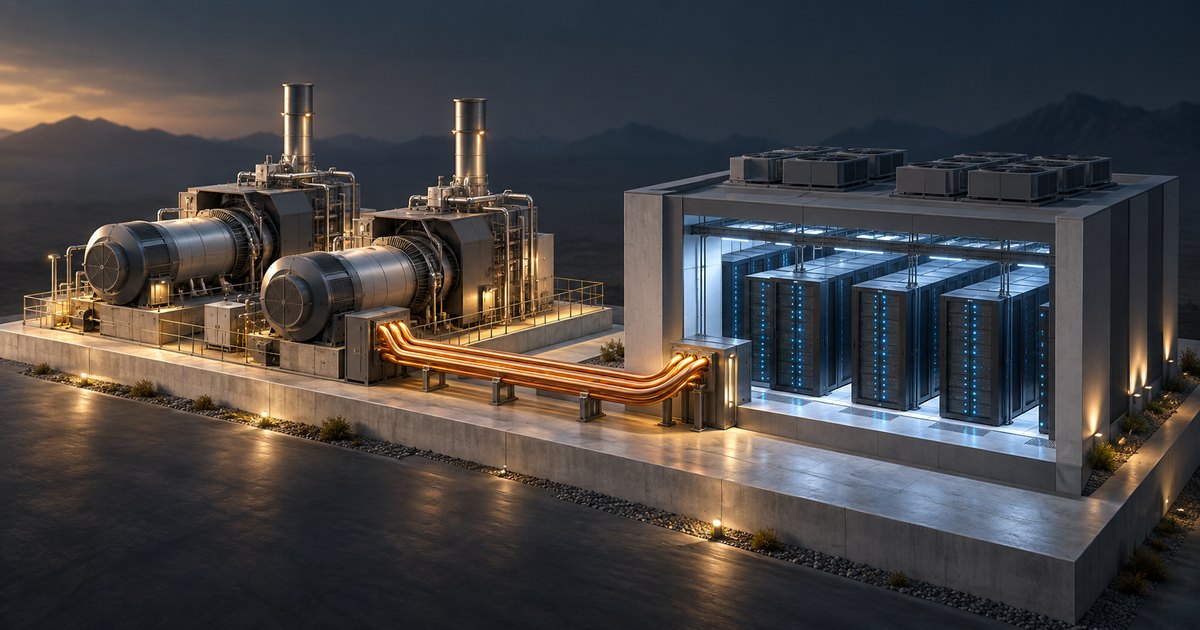
- Agreements cover balance-of-plant infrastructure and 283 MW of Caterpillar natural gas generators.
- Combined with existing 328 MW commitment, total capacity reaches 611 MW, delivery slated 2027.
- CEO John Turner positioned contracts as stepping stones toward long-term power purchase agreements.
- Cost reimbursement structure de-risks Atlas's supply chain by having AI company front capital.
Energy and AI Convergence
Atlas Energy Solutions has been building out its behind-the-meter power business, a model where electricity is generated on-site rather than pulled from the traditional grid. The new AI lab contracts represent a major validation of this strategy. The stock traded to approximately $13.13 at its intraday peak, reflecting gains between 13% and 19%.
CEO John Turner framed the agreements as stepping stones toward long-term power purchase agreements with the AI lab. That language matters. The cost reimbursement structure means the AI company fronts the capital for equipment purchases, which de-risks Atlas's supply chain and eases financing pressure. Rather than Atlas bearing the burden of capital deployment upfront, the AI firm absorbs that cost.
Capacity Buildout and Execution Risk
The combined capacity from these deals reaches 611 MW when you add the 283 MW of new Caterpillar generators to the 328 MW commitment under an existing Global Framework Agreement with Caterpillar slated for delivery in 2027. Atlas Energy Solutions secured a 120 MW power purchase agreement earlier in 2026. The company's broader partnership with Caterpillar targets multi-gigawatt capacity expansion by 2027.
But headline megawatts don't tell the full story. Revenue visibility from the cost reimbursement agreements remains provisional until longer-term contracts are signed. The key metric for investors watching the energy-AI convergence is the conversion rate from cost reimbursement agreements to long-term power purchase agreements.
There's also downside risk. If the AI lab delays or cancels its data center buildout, Atlas could find itself holding generating capacity without a buyer. That's why Turner's language around "stepping stones" toward permanent deals carries weight—it signals management's awareness that today's contracts are interim structures, not revenue certainties.