Backpack's Armani Ferrante says founders and investors get zero tokens
In brief
- Ferrante said founders, executives and investors receive zero Backpack tokens and no warrants.
- Backpack disclosed the framework February 9, 2026; the token launched March 23, 2026.
- TGE distributed 250 million of 1 billion tokens, mostly to points participants.
- Remaining 75% sits in two 37.5% tranches tied to milestones and a potential US IPO.
No tokens, no warrants
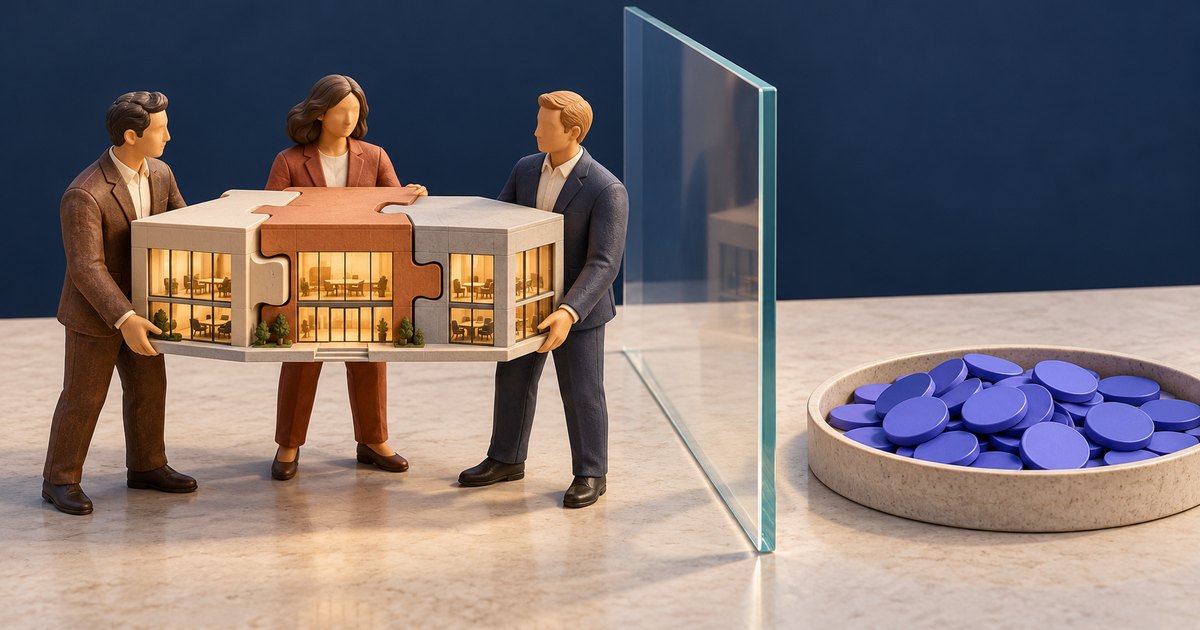
Ferrante's main target is the token warrant. Token warrants give holders, often investors in a company's equity round, the right to receive tokens once a network goes live, and they usually hand founders and investors a large slice of supply. In Ferrante's view, that setup lets insiders sell into retail demand.
That's his argument, not a settled fact.
It's also the reasoning behind what Backpack built. The company gave founders, executives and investors no direct token allocation and no warrants, so their wealth is tied to Backpack's equity instead.
How the 1 billion supply splits
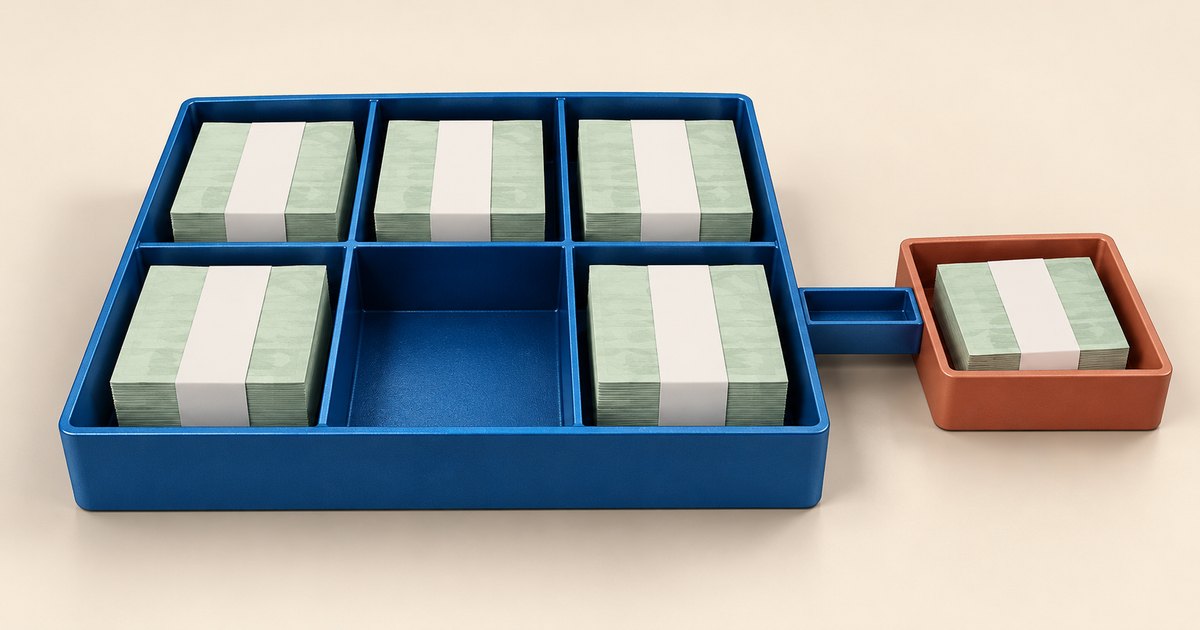
According to Backpack's February disclosure, as reported by Crypto Briefing, the token has a total supply of 1 billion. A quarter of it (250 million tokens) was allocated at the Token Generation Event. Of those, 240 million went to points participants, meaning users who earned rewards by using the platform, and the other 10 million went to holders of Mad Lads, the NFT collection linked to the Backpack ecosystem.
The remaining 75% is split into two tranches of 37.5% each. The first is a pre-IPO tranche of 375 million tokens that unlocks gradually as the company hits growth milestones such as regulatory progress and new product launches. The second is tied to a potential US IPO; those tokens sit in the corporate treasury and stay locked for at least one year after any such listing.
There's no time-based vesting here. The design uses milestone-based unlocks instead, and up to 20% of the firm's equity pool is connected to the pre-IPO tokens, which creates a path to convert tokens into company equity. Backpack has also paired the token with staking programs, where users who stake can get discounts on service fees.
The FTX backdrop
Backpack's history with FTX is part of the context. The company lost about $14.5 million in the 2022 collapse of FTX (roughly 90% of its capital at the time), according to Crypto Briefing. It then bought FTX Europe in January 2025 for $32.7 million and reached unicorn status that same month at a $1 billion valuation.
Ferrante's pitch is simple. If insiders don't hold tokens, they can't sell them into retail demand, and their upside has to come through the company's equity.
Frequently asked questions
What are token warrants and why does Backpack's CEO criticize them?
Token warrants give holders, often equity-round investors, the right to receive tokens once a network goes live, and they usually give founders and investors a large share of supply. Armani Ferrante argued that this setup lets insiders sell into retail demand. Backpack issued no warrants and no direct token allocation to founders, executives or investors.
How is the Backpack token supply allocated?
The token has a total supply of 1 billion. 250 million were allocated at the Token Generation Event, with 240 million going to points participants and 10 million to Mad Lads NFT holders. The remaining 75% is split into a 375 million pre-IPO tranche unlocked by growth milestones and a tranche tied to a potential US IPO, which stays locked in the treasury for at least one year after any listing.