EU proposal would reserve two-thirds of 2 GHz satellite band for European firms
In brief
- European Commission's May 27, 2026 proposal splits the 2 GHz MSS band into three parts, per Crypto Briefing.
- Two-thirds would go to European operators and government use, the report said.
- Viasat and EchoStar, the band's only licensees, hold licenses expiring in May 2027.
- Four major European carriers said they may pool resources to pursue the spectrum.
- US ambassador to the EU warned of possible 'devastating' retaliation, per the report.
What the Commission proposed
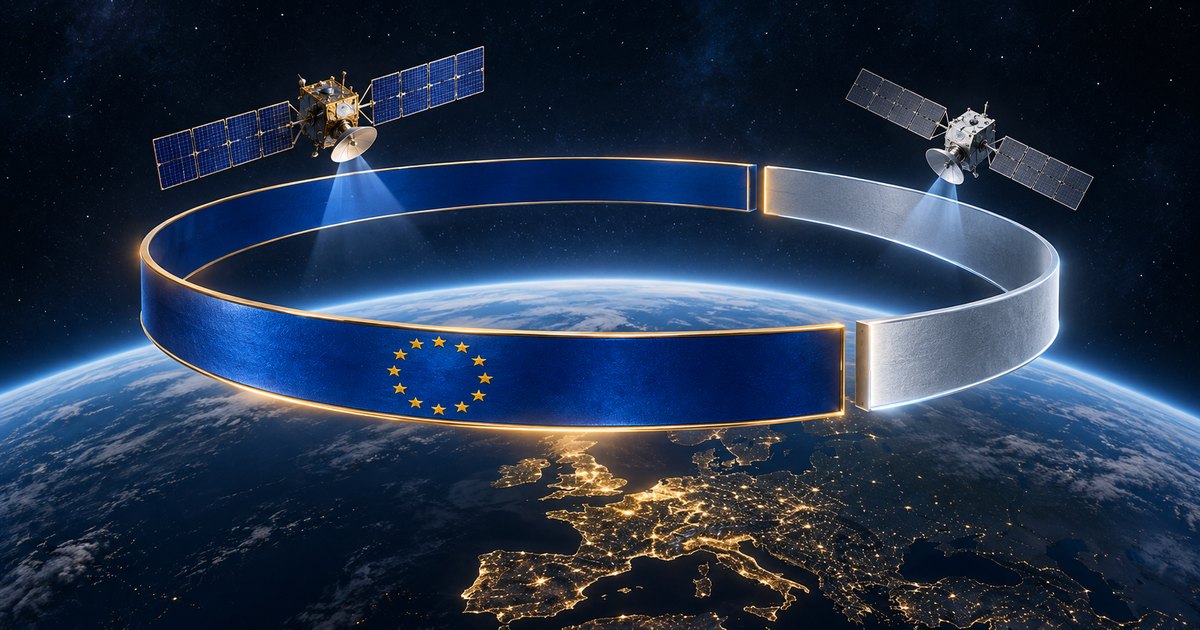
The proposal is dated May 27, 2026 and would split the MSS band into three parts, Crypto Briefing reported. By the outlet's math, two-thirds of the band ends up reserved for European operators and government use. Starlink would compete for the remaining third alongside other operators.
Today only licensed operators can use the band, and there are just two of them. They're US firms Viasat and EchoStar, and their licenses expire in May 2027, per the report. Crypto Briefing assessed that the new framework favors EU-based newcomers over those incumbents.
So why fight over it? Direct-to-device (D2D) connectivity: a satellite talking to a regular phone with no ground tower in between.
That's the prize.
Carriers weigh a joint push
On October 19, Deutsche Telekom, Orange, Telefónica and Vodafone said they may pool resources to go after spectrum rights together. The idea is to secure the airwaves jointly and then sell wholesale D2D access across Europe. Those talks are exploratory (they aren't a formal joint bid yet).
Pushback from Washington and SpaceX
The US ambassador to the EU warned of possible "devastating" retaliation if the plan hurts American companies, according to Crypto Briefing. SpaceX has warned that the proposal could degrade satellite service quality in places like Ukraine. It's also cautioned that the changes might create interference risks worldwide.
Crypto Briefing frames the broader goal as strategic independence. In the outlet's reading, Brussels wants a homegrown alternative to Starlink and is using spectrum as the tool it has while the EU's IRIS² satellite program works its way toward reality.
None of it's final. The Commission's proposal still has to get through negotiations with EU member states.
Frequently asked questions
What is the 2 GHz MSS band and why does it matter?
It's the 2 GHz mobile satellite services band, which only licensed operators can use. According to Crypto Briefing, its value is tied to direct-to-device (D2D) connectivity, where a satellite connects directly to an ordinary smartphone without a ground tower.
Who holds licenses for the band today?
Two US firms, Viasat and EchoStar, hold the only licenses, and those licenses are set to expire in May 2027, Crypto Briefing reported. The outlet assessed that the Commission's new framework favors EU-based newcomers over these incumbents.
How much of the band would European operators get under the proposal?
According to Crypto Briefing, the Commission's May 27, 2026 proposal would split the band into three parts, with two-thirds reserved for European operators and government use. Starlink could compete for the remaining third alongside other operators. The proposal still faces negotiation with EU member states.