Block deploys Daybreak, built with OpenAI, in security ops; humans keep final call
In brief
- Daybreak, built by Block with OpenAI, automates vulnerability discovery, threat detection and incident response.
- Triage throughput rose roughly 50%, with about 1,100 analyst-hours automated each quarter, Block reports.
- The 18-minute red-team figure covers a proposed patch, not a deployed fix.
- All figures are self-reported results from Block's own environment.
What Daybreak does
Daybreak is a security orchestration system that Block developed in partnership with OpenAI. According to the case study, it automates three of the most labor-intensive jobs on a security team: vulnerability discovery, threat detection and incident response. It works by linking security signals that would otherwise sit in separate silos.
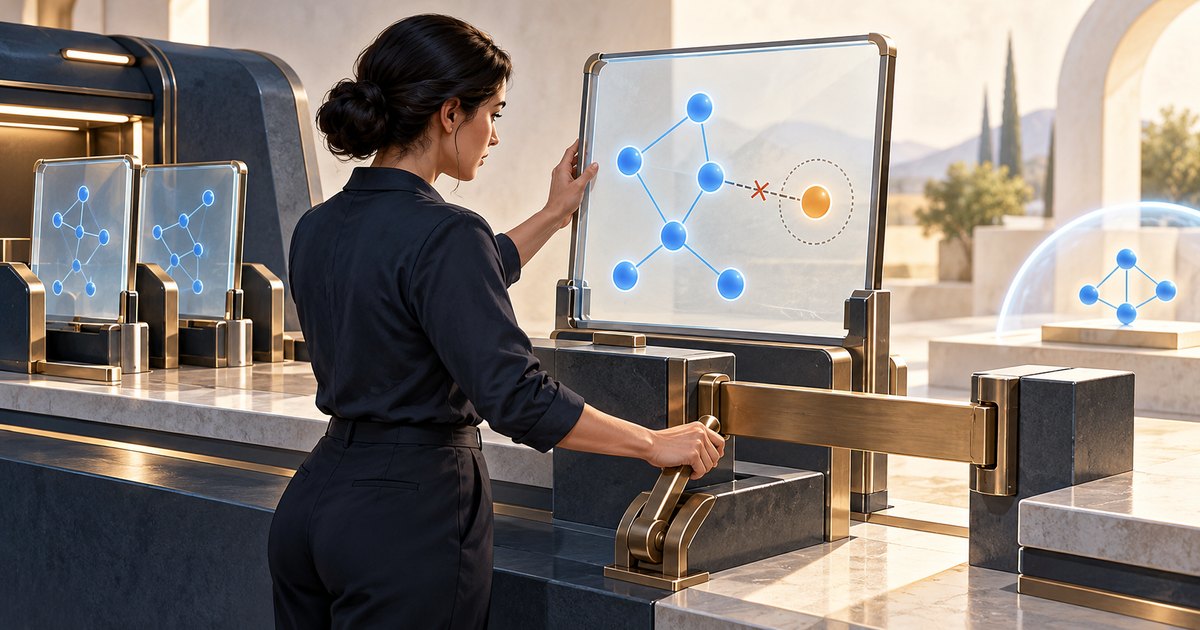
It also simulates attack paths. In practice, that means mapping how an intruder could move from one weakness to the next.
The workflow splits the labor cleanly. The AI handles signal correlation and drafts issues for the team; humans verify the findings and deploy any changes.
Block's reported numbers
Per the case study, triage throughput rose by roughly 50%, and the volume of intelligence gathering and investigations rose by about the same margin. Block also says it recovered approximately 600 analyst-hours that had been spent triaging false positives.
The red-team results get the most attention. In those exercises, Daybreak completed full attack-path chaining in approximately 2 hours and produced a proposed patch in 18 minutes. It also replayed telemetry covering 7 months of data in less than 1 hour.
The 18-minute figure needs some context. It's a proposed patch, not a deployed one, and the remediation clock still includes the time it takes a person to confirm the fix.
Humans keep the final say
Nothing goes into production on the model's output alone.
That's the design choice worth paying attention to. Block isn't handing the controls to an AI model. It's using one to speed up the repetitive work (correlating signals, drafting issues, replaying old data), and people still sign off on anything that ships.
The caveats are just as important. These are Block's own reported figures from its own environment, and other companies with different tooling, data quality and team structures may not see the same results. Firms looking at similar setups shouldn't treat Block's numbers as a benchmark for their own.
Frequently asked questions
What is Block's Daybreak system?
Daybreak is a custom security orchestration system that Block developed in partnership with OpenAI. According to an October 14, 2026 case study, it automates vulnerability discovery, threat detection and incident response by linking security signals that would otherwise sit in separate silos.
Does Daybreak deploy security patches on its own?
No. The AI correlates signals and drafts issues, while humans verify the findings and deploy any changes. The 18-minute figure from red-team exercises refers to a proposed patch, not a deployed one, and nothing goes into production on the model's output alone.
Will other companies see the same results as Block?
Not necessarily. The efficiency figures are Block's own reported numbers from its own environment. Other companies with different tooling, data quality and team structures may not see the same results.