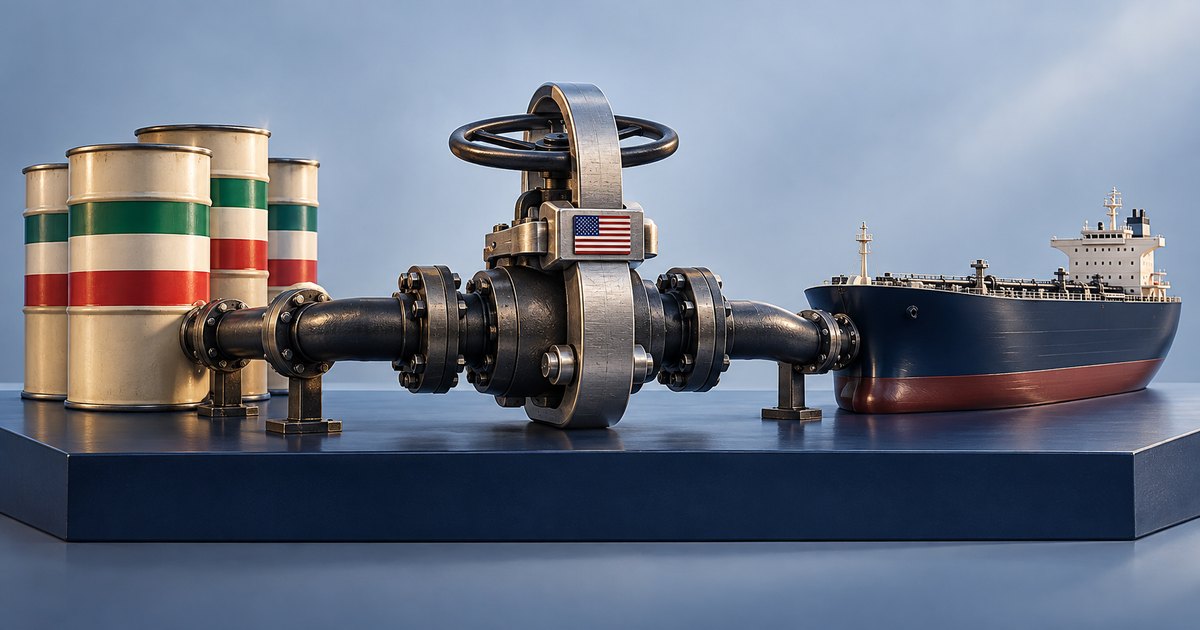
Brent crude drops 9.5% as US lifts Iran blockade, tankers resume

In brief
- Brent crude declined 1% Friday to $79.03/bbl, marking a 9.5% weekly drop
- US lifted blockade on Iran; tankers resumed passage through Strait of Hormuz
- De-escalation expectations drove prices lower amid demand weakness and macro headwinds
- OPEC+ production decisions and US-Iran tensions remain key price drivers
- Middle East stability could sustain downward pressure on crude
De-escalation Drives Prices Lower
Brent crude prices dropped 9.5% for the week after oil tankers resumed navigation through the Strait of Hormuz following the US blockade lift on Iran. The development follows an interim agreement aimed at ending a three-month conflict. Market observers attribute part of the decline to de-escalation expectations, though demand and macro factors may also be at play. This pattern reflects broader market behavior over the past month, where expectations for de-escalation have driven Brent prices lower from late May highs.
The easing of geopolitical tensions has removed what traders call the "risk premium" embedded in crude valuations. When Middle East conflict risks recede, crude becomes less attractive as a hedge, allowing prices to settle toward fundamentals.
Risks and Macro Headwinds
Some analysts caution that the removal of geopolitical premium could expose crude to demand-side weakness if economic growth slows. The decline may also reflect broader macro factors including Federal Reserve policy and inventory levels. These structural forces could sustain downward pressure independent of Iran-related developments.
Any signs of renewed tensions in US-Iran relations could impact oil prices, and traders should monitor the diplomatic situation closely. Upcoming decisions from OPEC+ regarding production levels may influence market dynamics. Further geopolitical stability in the Middle East could maintain downward pressure on oil prices.
Frequently asked questions
Why did Brent crude fall 9.5% in one week?
The US lifted its blockade on Iran, allowing oil tankers to resume passage through the Strait of Hormuz. This reduced geopolitical tensions that had supported higher oil prices. Market observers also attribute part of the decline to expectations for de-escalation, though demand weakness and macro factors like Fed policy may also weigh on crude.
What could push oil prices higher again?
Any signs of renewed tensions in US-Iran relations could impact oil prices. Additionally, OPEC+ production decisions may influence market dynamics. Traders should monitor diplomatic developments and cartel output announcements closely.
Is lower oil a sign of economic weakness?
Not necessarily. Analysts caution that the removal of geopolitical premium could expose crude to demand-side weakness if economic growth slows, but the current decline may also reflect Fed policy, inventory levels, and the easing of Middle East conflict risk. These factors may sustain downward pressure independent of demand deterioration.