

Topic: #geopolitics
-
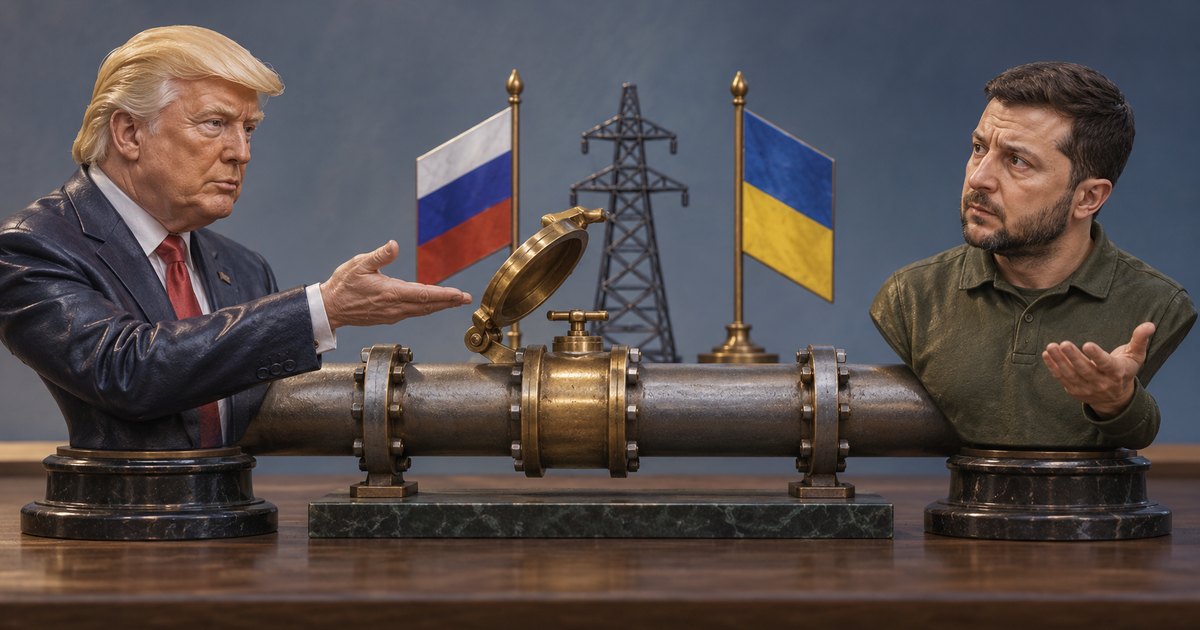
Trump claims Russia-Ukraine 'energy ceasefire'; Zelensky says it's news to him
President Trump said on Truth Social that an energy ceasefire between Russia and Ukraine was effective immediately. Zelensky told Axios the announcement was news to him, according to CoinDesk.
-

Jardine CEO warns Asia's data-center boom hinges on Washington's next move
Jardine Matheson CEO Lincoln Pan told the Milken Asia Summit that Asia's data-center sector relies on a few US tech giants, leaving it exposed to shifts in US data policy and US-China relations.
-

Bitcoin rebounds to $82,000 after Trump rules out Iran strike before midterms
Bitcoin climbed back to $82,000 on Friday, per CoinDesk, after Trump said on Truth Social the U.S. would not attack Iran before the Nov. 3 midterms and WTI crude fell from $93.20.
-

Houthis claim drone strike on Riyadh airport; Saudi Arabia yet to confirm
Yemen's Houthi movement claimed a drone strike on King Khalid International Airport in Riyadh, but Saudi authorities hadn't confirmed any strike at the time of reporting, leaving the claim unverified.
-

Bitcoin, Nasdaq futures fall as Trump hints at further Iran strikes
Bitcoin and Nasdaq futures declined following Trump's indication that additional military strikes on Iran remain possible, as geopolitical tensions drive risk-averse investor sentiment across both crypto and traditional markets.
-

Gold prices decline to August lows amid Iran tensions and Fed rate hikes
Gold prices have edged lower to levels not seen since early August as geopolitical tensions with Iran and expectations of additional Federal Reserve rate hikes weigh on the precious metal's value.
-

Trump and Xi discuss AI safety guardrails amid US-China tech rivalry
Presidents Trump and Xi met in Washington to discuss artificial intelligence governance, with both nations framing AI as central to their economic and geopolitical strategies. A formal incident notification system could mark the first bilateral AI safety agreement between the superpowers.
-

Glencore leads $12B US critical minerals stockpile project
The US Export-Import Bank launched Project Vault on February 2, 2026, pairing $10 billion in public financing with $2 billion in private capital to build a 60-day buffer supply of critical minerals. Glencore and other major commodities traders will source materials, while companies like Boeing and Western Digital will procure from the reserve.
-
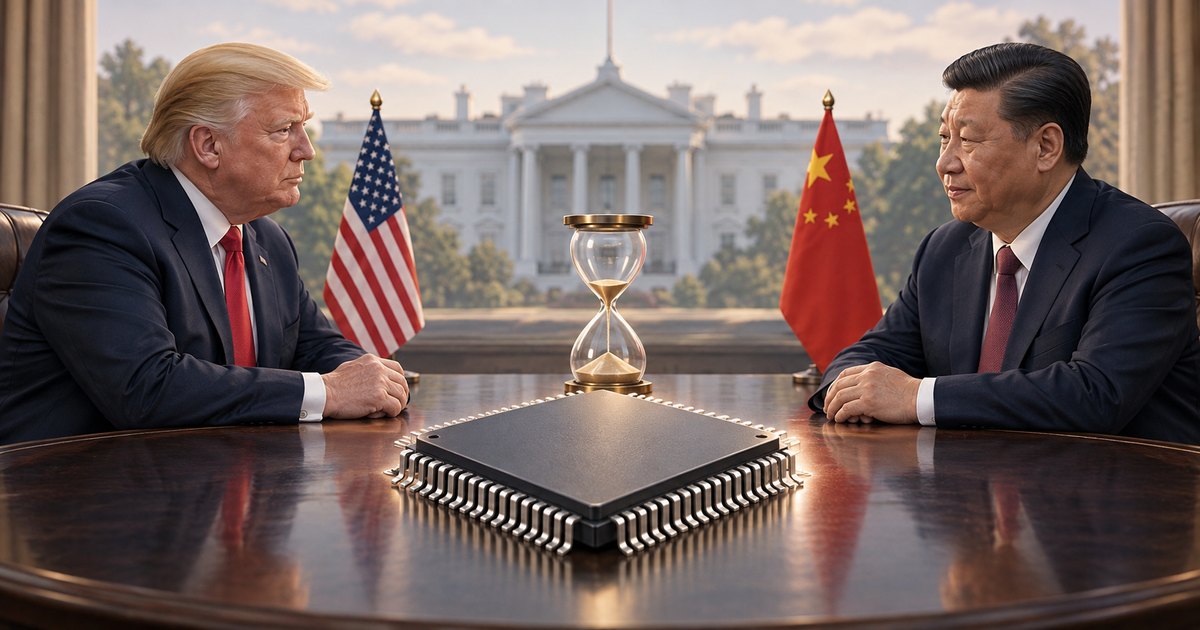
Trump hosts Xi for Washington summit as tariff truce expires
President Trump and Chinese President Xi Jinping meet in Washington on September 23-24, 2026, as a one-year tariff truce negotiated in Busan approaches expiration. The summit's outcome could reshape global trade dynamics and determine the fate of semiconductor export controls affecting major tech firms.
-

Canadian Dollar Weakens as Oil Prices Drop on U.S.-Iran Diplomatic Progress
The Canadian dollar faced downward pressure as oil prices declined following hopes for U.S.-Iran diplomatic progress, with WTI crude falling to $95.78 and Brent dropping to $100.34, reflecting the loonie's vulnerability to commodity price swings.
-
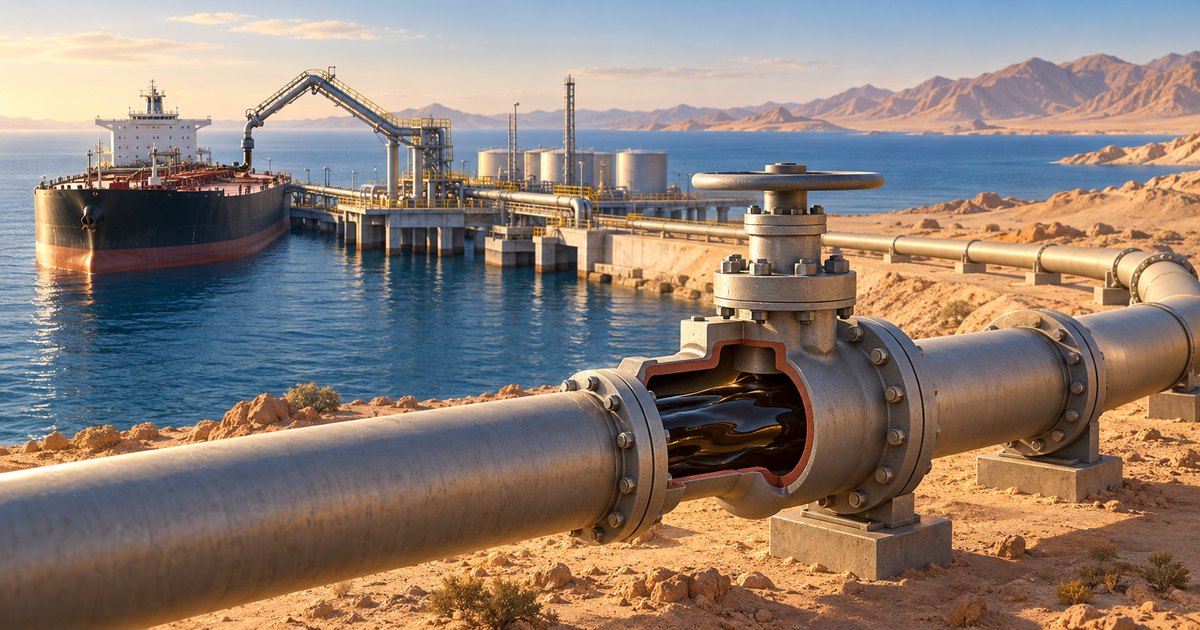
Saudi Arabia Restarts East-West Oil Pipeline, Resumes Yanbu Exports
Saudi Arabia has restarted its east-west pipeline and is preparing to resume crude oil exports from the Yanbu port following a September drone attack that halted operations and forced cargo cancellations.
-

Saudi Arabia exits mBridge CBDC project after proof of concept
Saudi Arabia's central bank has exited mBridge, a China-led cross-border digital currency platform, after completing a proof of concept in May 2025. The withdrawal comes as US policymakers have raised concerns about the project's potential to circumvent sanctions.
-

Saudi Arabia's oil exports rebound to 4M bpd in September after decade low
Saudi Arabia's crude exports surged back above 4 million barrels per day in September after falling to 2.4 million bpd in August—the weakest month since at least 2013. Houthi attacks on the Red Sea forced rerouting through Gulf terminals and ship-to-ship transfers at Oman.
-

Saudi Arabia exits mBridge digital currency platform after exploratory phase
Saudi Arabia's central bank withdrew from mBridge, the China-led cross-border payments system, after completing its proof-of-concept phase in May 2025. The exit signals Riyadh's hesitation about platforms designed to bypass Western financial infrastructure and sanctions mechanisms.
-
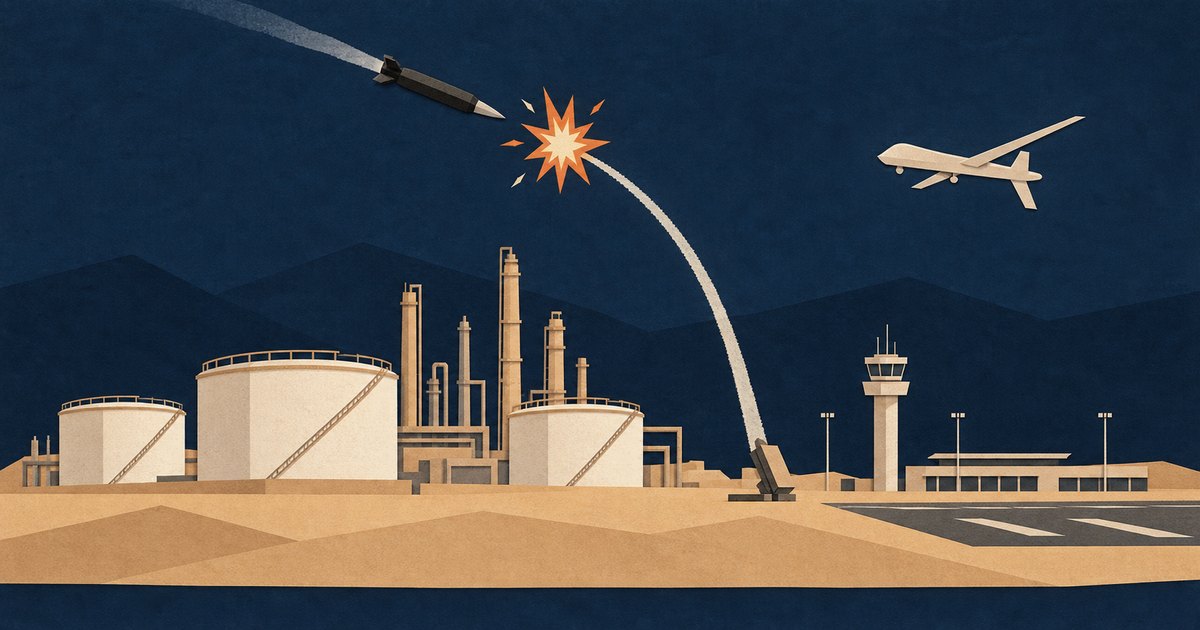
Houthis strike Saudi Aramco facilities near Riyadh as ceasefire collapses
Houthi forces launched coordinated missile and drone strikes on Saudi Aramco facilities and sites near Riyadh's airport on September 19, marking the first major escalation since fighting resumed in July 2026. Saudi air defenses intercepted at least one ballistic missile, and authorities reported no significant damage.
-

G7 convenes to coordinate strategic oil reserve release amid price surge
French President Emmanuel Macron announced a G7 meeting on September 18, 2026, aimed at coordinating a release of strategic oil reserves to address elevated crude prices driven by geopolitical crises in Ukraine and the Middle East.
-
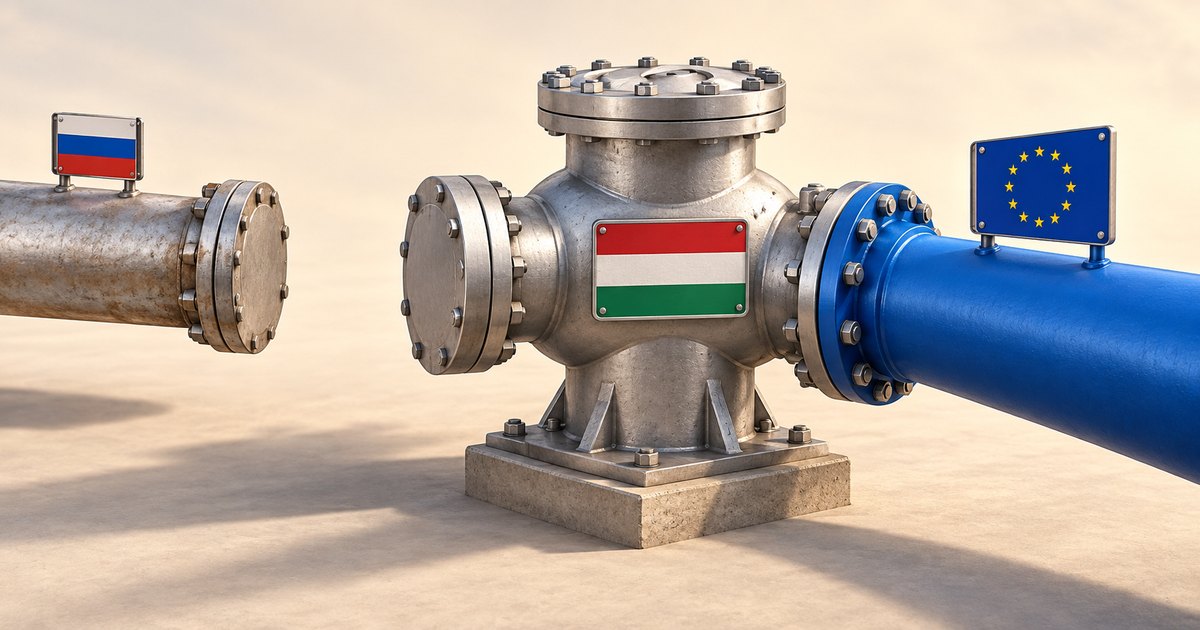
Hungary ends Russian gas imports by October 2027, reshaping EU energy
Hungary's Economy and Energy Minister announced the country can secure all natural gas from non-Russian sources by October 2027, marking a sharp reversal from Orbán-era dependence and aligning with the EU's REPowerEU initiative.
-

Xi Jinping assembles business delegation for Washington visit, targeting tariff relief
Chinese President Xi Jinping is bringing top executives from BYD, CATL, Xiaomi, and other major firms to Washington in September 2026, seeking better market access and tariff relief for Chinese companies facing regulatory barriers in the US.
-

JPMorgan warns rapid oil decline could catch traders off-guard above $100
JPMorgan strategists caution that a swift oil price pullback could destabilize markets, even as Brent crude breaches $100 per barrel on Middle East tensions. The bank projects an average of $97 for 2026, suggesting current levels are a ceiling, not a floor.
-

Anthropic and OpenAI face Trump admin pressure on AI safety and China competition
The Trump administration's push for AI dominance over China collides with internal safety concerns at Anthropic and OpenAI, creating a rare moment where geopolitics and caution intersect—complicating both innovation timelines and investor confidence.
-

Strait of Hormuz LNG blockade costs Asia $7 billion, cuts 20% global supply
US and Israeli strikes on Iran have largely closed the Strait of Hormuz to LNG shipments since February 28, cutting off 20% of global supply. Spot prices have nearly tripled, leaving developing Asian buyers priced out and forcing a rethink of regional energy strategies.
-
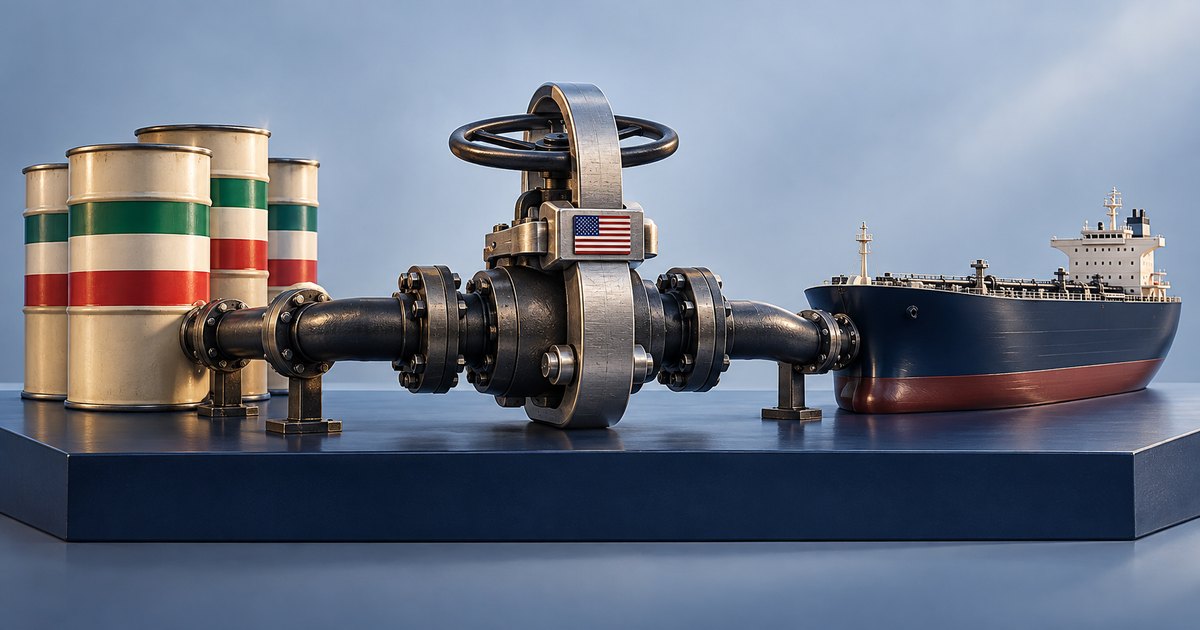
U.S. sanctions Iraqi oil trader Omid Haji Ahmad for Iranian smuggling
The U.S. has designated Omid Haji Ahmad to its sanctions lists for allegedly facilitating Iran's oil trade through deceptive cargo practices, part of broader enforcement efforts to restrict financial flows supporting Iran's nuclear ambitions.
-

Putin Welcomes Modi, Xi's Ukraine Peace Offer at BRICS Summit
Vladimir Putin praised India and China's willingness to support a negotiated Ukraine settlement during the BRICS Summit in September 2026, though no concrete peace proposals emerged from the diplomatic engagement.
-

Strait of Hormuz vessel attacked; oil supply concerns mount
A projectile strike on a vessel in the Strait of Hormuz on September 12-13 has intensified fears about global oil stability. The incident marks the latest disruption in a critical waterway that handles roughly 20% of world oil supplies, with shipping traffic and crude prices already volatile from months of escalating attacks.