

Topic: #geopolitics
-

Xi Jinping visits India to reset China-India ties after 2020 clash
Chinese President Xi Jinping visited India in September, his first trip since 2019, to meet with PM Modi and reset bilateral ties fractured by a 2020 military clash. The two leaders are pursuing a managed rivalry aimed at stabilizing competition while expanding trade and cultural exchanges.
-
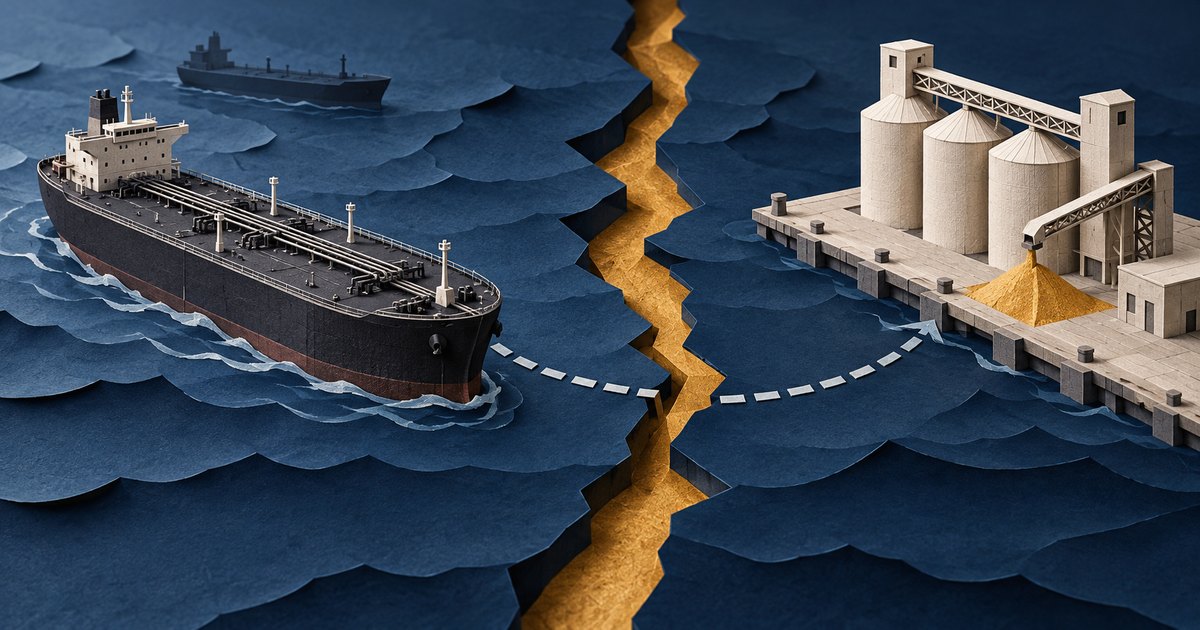
Ukraine strikes Russia's shadow fleet, escalating Black Sea energy crisis
Ukraine's Operation MoLoChKa has targeted 285 Russian tankers evading sanctions, prompting Moscow to intensify strikes on Ukrainian ports. The escalation threatens global energy and grain supplies while killing civilians.
-

Canada seeks $1 trillion investment as US trade tensions escalate
Prime Minister Mark Carney is pitching 167 infrastructure and tech projects to global investors at a September summit, targeting $1 trillion in new capital over five years as US-Canada trade relations deteriorate.
-
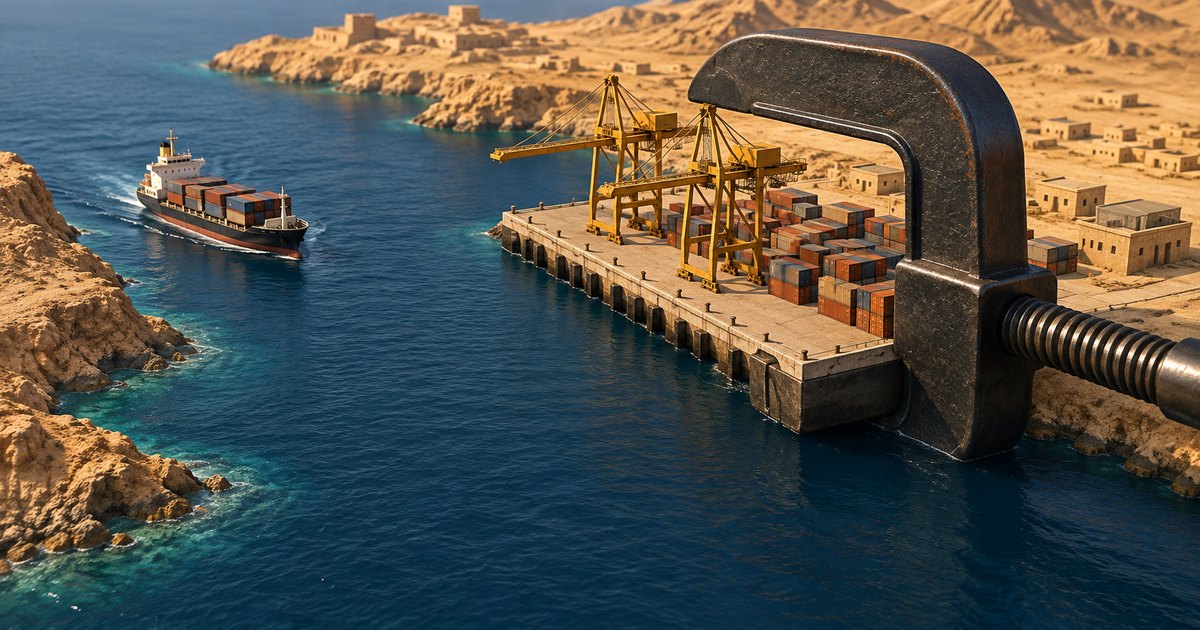
Houthis seize Mokha port, raising Red Sea shipping concerns
Yemen's Houthi rebels seized the strategic Red Sea port of Mokha in the Taiz governorate, near a key maritime chokepoint. The move raises questions about coastal supply routes and regional stability, with prediction markets pricing in uncertainty over shipping conditions.
-

Brent Crude Breaks $100 as Prediction Markets Price in Higher Oil Gains
Brent crude surged above $100 for the first time in six weeks, prompting prediction markets on Myriad and Polymarket to price in sharply higher odds of further gains. Geopolitical tensions in the Middle East are driving the move.
-

Crude oil climbs toward $100 as Middle East tensions escalate
Brent crude recently reached $94.65 per barrel and WTI hit $90.22 as U.S. sanctions on Iran and Middle East strikes influence global oil markets. Geopolitical risks remain one factor among OPEC production decisions and broader economic forces shaping prices.
-

Iran Missile Strike on U.S. Bases in Jordan Sends Oil Prices Higher
Iran's missile attack on U.S. military bases in Jordan triggered an immediate rally in crude futures markets. The incident deepened Middle East supply concerns and added to a pattern of escalating Iranian strikes on regional facilities.
-
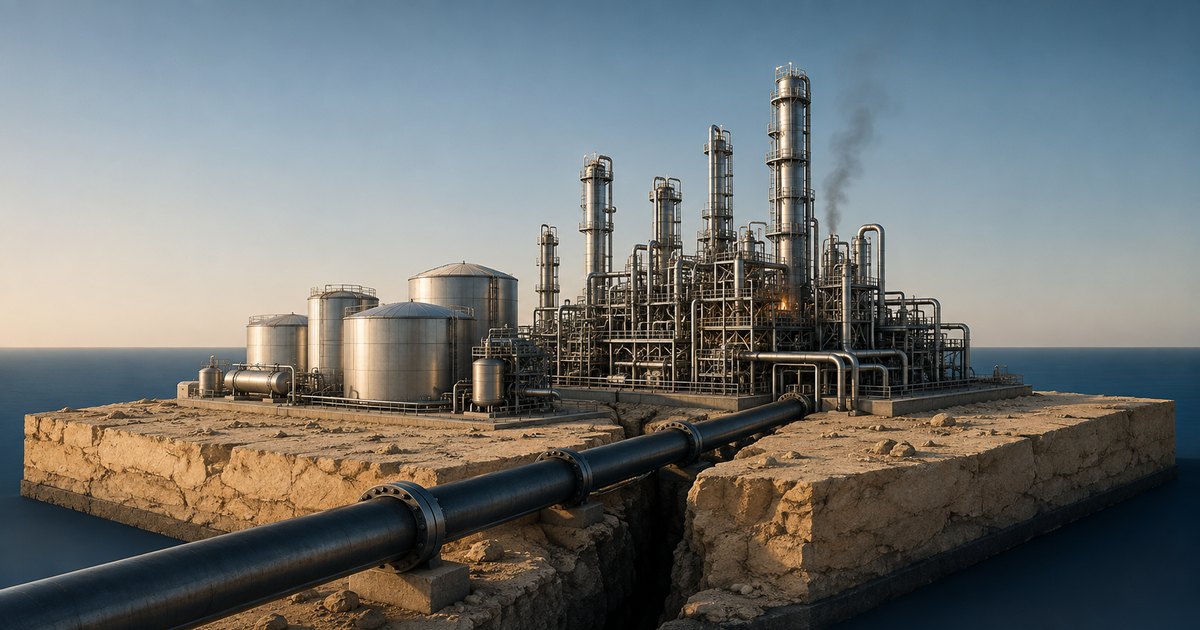
Houthi strikes on Saudi Aramco refinery deepen geopolitical risk to global oil supply
Houthi forces struck Saudi Aramco's Jazan refinery on August 9, marking the latest in a series of 2026 attacks on critical Saudi energy sites. While no casualties were reported and the blaze was contained, the repeated strikes introduce persistent risk premiums into crude pricing and heighten concerns over global oil stability.
-

China's gold reserves hit $350B as PBOC extends 21-month buying streak
China's central bank reported gold reserves valued at $350.08 billion at the end of August, marking a significant jump from $306.35 billion in July. The PBOC has maintained 21 consecutive months of gold purchases, the longest streak on record, as Beijing diversifies away from dollar-denominated assets amid geopolitical tensions.
-
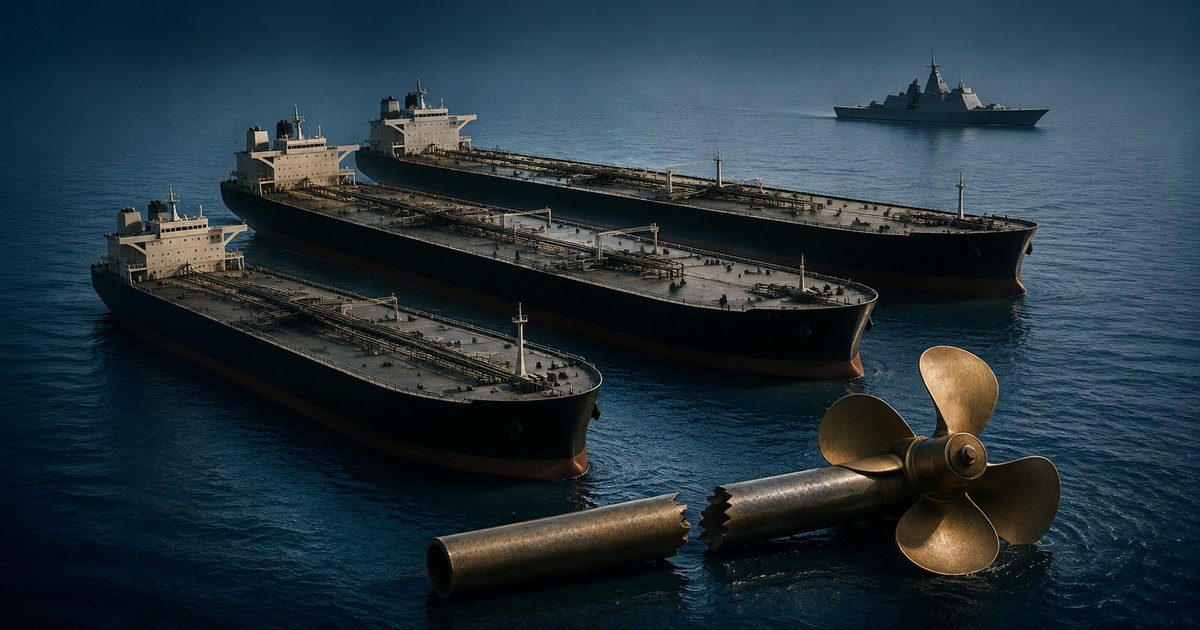
US disables Iranian shadow-fleet tankers after IRGC missile attacks
US Central Command disabled three Iranian shadow-fleet tankers on September 5, 2026, in direct retaliation for Islamic Revolutionary Guard Corps missile attacks on Navy vessels, marking an escalation in regional tensions and potential disruption to global oil markets.
-
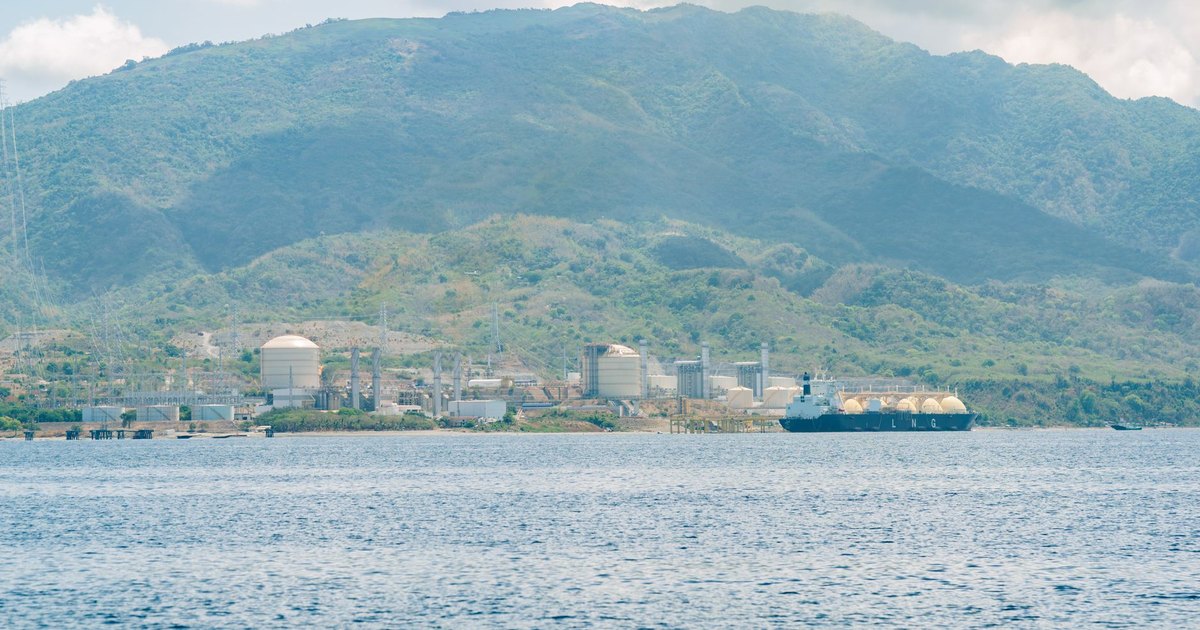
Asian LNG prices hit highest since 2022 amid Iran tensions
Asian liquefied natural gas prices climbed to their highest levels since December 2022, driven by escalating geopolitical tensions involving Iran and concerns over disruptions in the Strait of Hormuz, a critical shipping route.
-
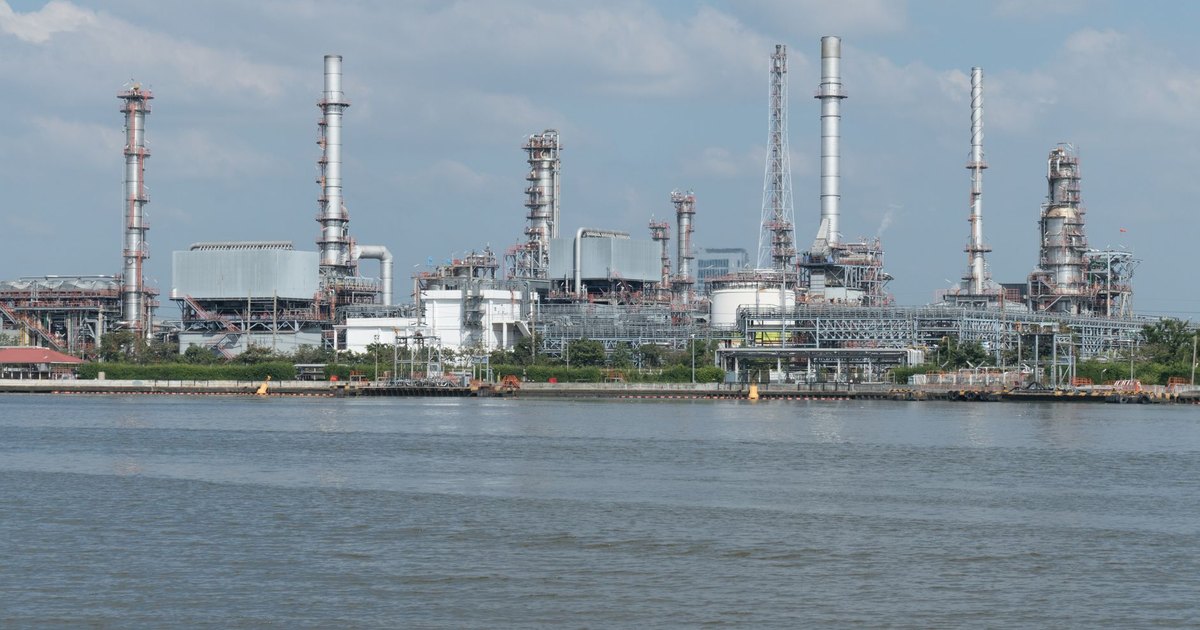
Oil prices climb 1% after U.S. strike on Iranian launchers
Oil prices rose over 1% following a U.S. military strike on Iranian rocket launchers on Larak Island, with market participants weighing supply risks through the Strait of Hormuz and monitoring potential Iranian retaliation.
-
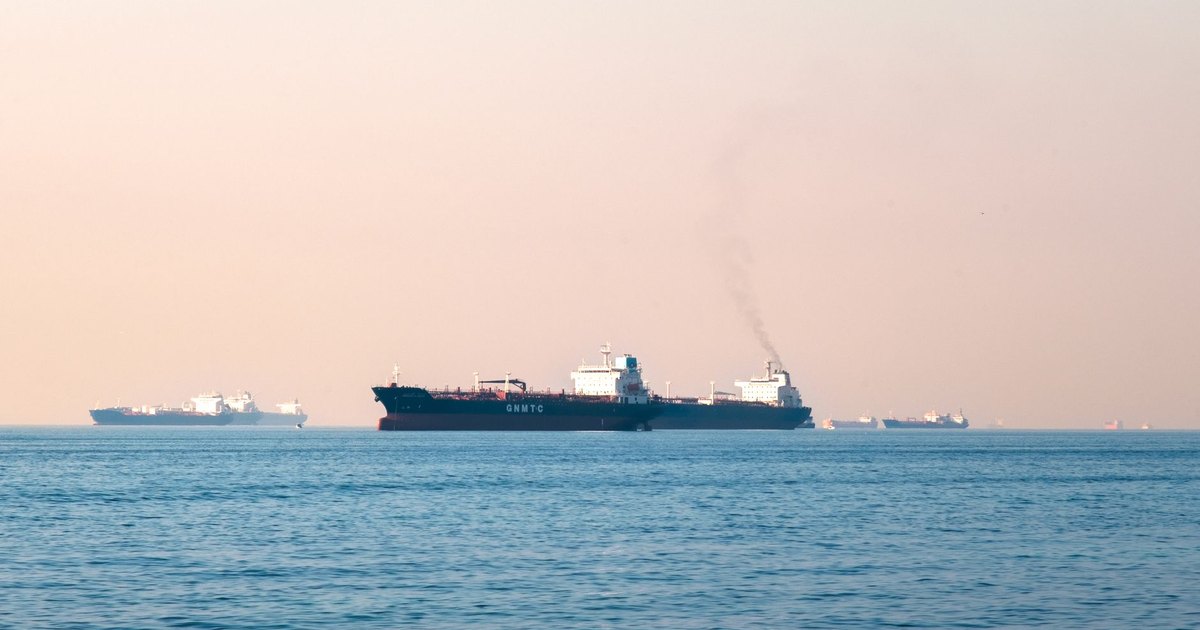
Iran strikes trigger 25% oil surge, strain developing economies
Military strikes on Iran in February 2026 have triggered a cascade of energy shocks across global markets, from crude price spikes to depleted reserves and soaring inflation in Asia. Brent crude has risen 25% since the conflict began, while tanker traffic through the Strait of Hormuz has collapsed by half.
-

US Dollar Rallies on Bessent Iran Sanctions Announcement
Treasury Secretary Scott Bessent announced sweeping sanctions cutting Iran off from the global financial system, triggering a 0.2% rally in the Bloomberg Dollar Spot Index and the dollar's strongest session against Group of 10 currencies in two weeks.
-
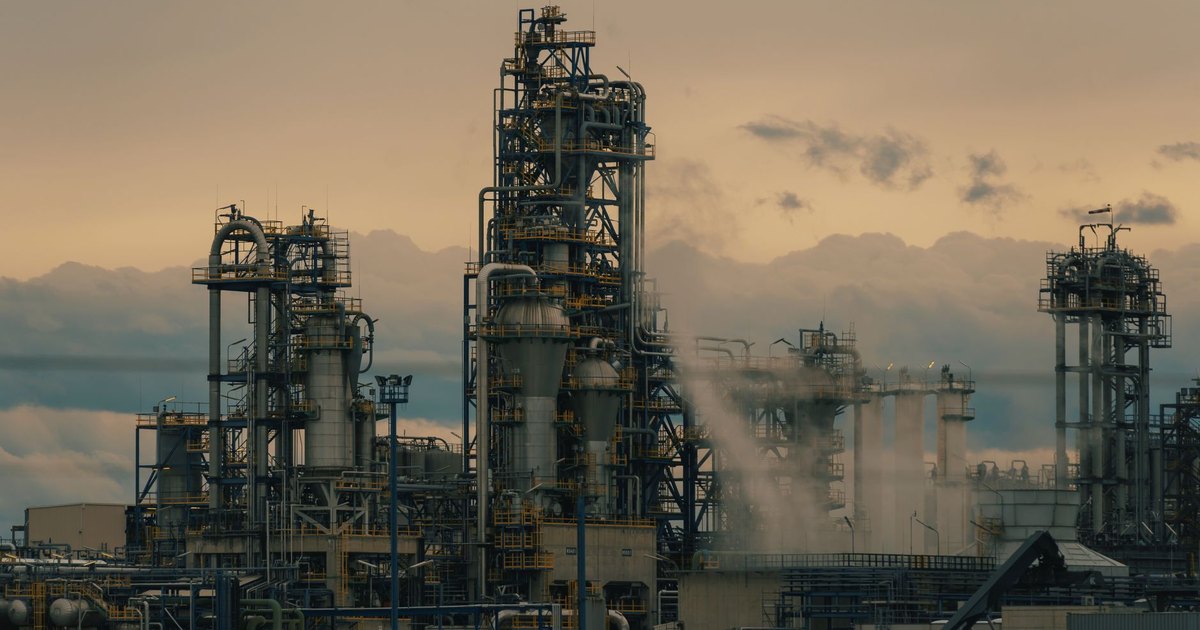
Brent crude tops $90 amid Middle East tensions, US stocks decline
Brent crude oil prices exceeded $90 per barrel as Middle East geopolitical tensions added a risk premium to energy markets, triggering a decline in U.S. stock prices and signaling potential market volatility ahead.
-
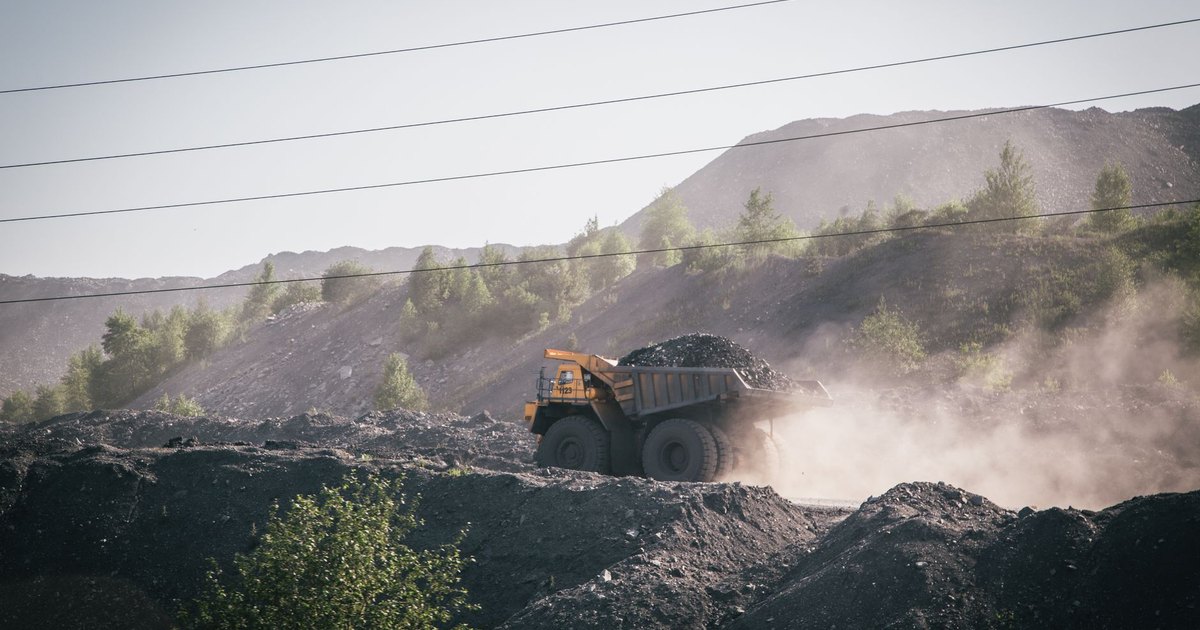
Trump convenes mining CEOs to secure critical minerals for defense
President Trump is hosting a roundtable with top mining executives on August 7 to advance a $12 billion national mineral stockpile initiative and restrict defense contractors' reliance on foreign suppliers, targeting China's dominance in rare earth processing.
-

Iran and Oman agree on Strait of Hormuz shipping route
Iran announced an agreement with Oman on a proposed shipping route through the Strait of Hormuz, potentially easing restrictions that have limited access to the critical waterway since February 2026 and signaling a strategic shift in managing regional energy flows.
-

Brent crude falls on U.S.-Iran deal optimism; energy prices stabilizing
Brent crude futures declined over 1% as markets price in a potential U.S.-Iran agreement, reducing geopolitical risk premiums tied to Middle East supply disruptions. Analyst Bessent expects energy prices to gradually normalize, though the process typically takes time.
-
Trump Iran Nuclear Deal Push Sends Oil Prices Lower
Oil prices declined following former President Donald Trump's announcement of efforts to negotiate a nuclear deal with Iran, as markets perceived reduced geopolitical risk in the Middle East.
-

OPEC+ signals output increase despite Strait of Hormuz constraints
OPEC+ has signaled willingness to boost oil production amid Middle East supply disruptions, but export constraints through the Strait of Hormuz may limit actual output gains. Prediction markets show declining odds of crude reaching new all-time highs.
-

Trump's Gaza peace deal revives stablecoin infrastructure debate
Trump's July 31 disarmament agreement with Hamas includes discussions of a dollar-pegged stablecoin for Gaza reconstruction, raising regulatory questions about US oversight of crypto deployed in geopolitical contexts.
-

Europe's heat waves disrupt power, spur fossil fuel imports
Intense European heat waves have disrupted nuclear, gas, coal, wind, and hydroelectric power generation, forcing the continent to increase reliance on imported fossil fuels. Market participants now assess a 4.9% probability of crude oil reaching a new all-time high by September 30, rising to 14.0% by year-end.
-

Oil prices fall over $1 as Strait of Hormuz shipping improves
Brent crude settled at $89.03 and WTI closed at $83.59 as shipping flows through the Strait of Hormuz recovered, easing supply concerns despite ongoing US-Iran tensions.
-

Red Sea shipping hits record low after Houthi attacks on Saudi oil
Shipping through the Bab el-Mandeb Strait dropped to eleven vessels on Sunday—the lowest level in months—after Houthi attacks on Saudi Aramco facilities disrupted Middle Eastern energy export routes.