Iran launches 30 ballistic missiles at Israel; ceasefire holds
In brief
- Iran launched ~30 ballistic missiles at Israel on June 7, first direct strike since April 2026 ceasefire.
- Israeli air defense intercepted vast majority of missiles with minimal damage and limited casualties.
- Iran and Israel both signaled restraint post-exchange; Iran indicated no further action unless provoked.
- US President Trump urged diplomatic solutions and de-escalation over further military action.
- Energy markets and crypto assets faced temporary pressure from heightened regional tensions.
The Exchange and Initial Response
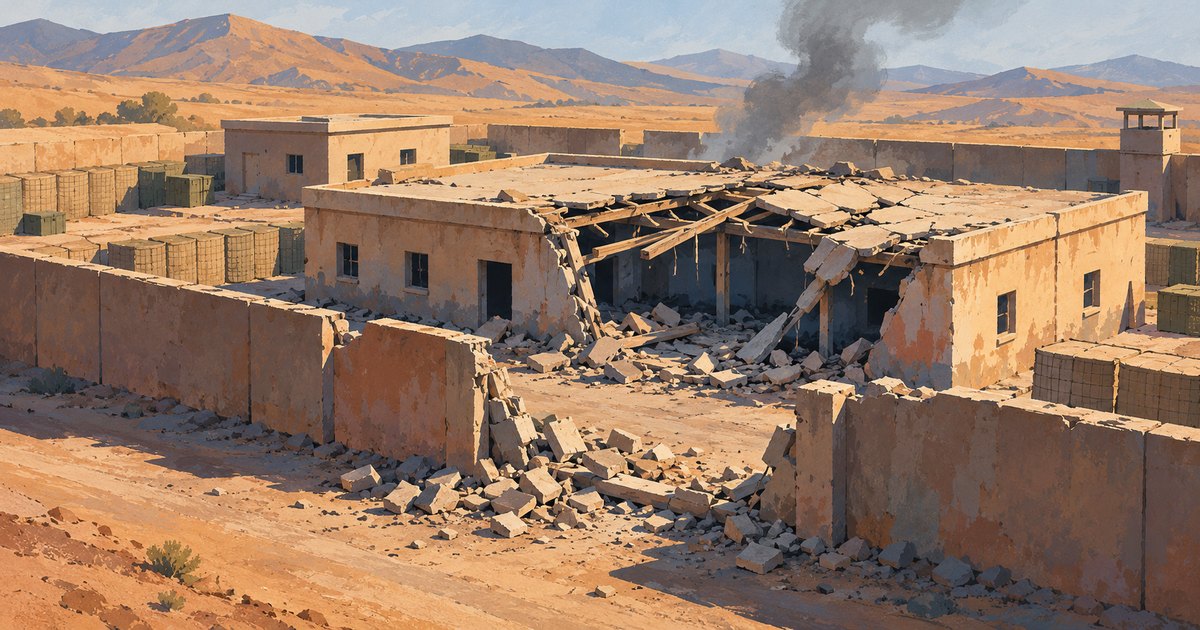
Iran's attack represented the first direct Iranian strike since the April 2026 ceasefire. The missiles targeted Israeli military and civilian infrastructure, but Israeli defense systems intercepted the vast majority, limiting the physical toll of the strike.
In retaliation, Israeli forces struck Iranian military facilities across western and central Iran, targeting truck-based missile launchers and a petrochemical plant in Tehran. The exchange unfolded over hours rather than days, a critical distinction from prior escalations.
De-escalation Signals
Iran indicated it would cease operations unless provoked again. Israeli authorities appeared to pause their strikes following the initial exchange. This mutual restraint—unusual in prior cycles of Iran-Israel confrontation—suggested both parties recognized the fragility of the ceasefire and the cost of sustained conflict.
US President Donald Trump reportedly urged both parties to refrain from further escalation, emphasizing diplomatic solutions. The diplomatic intervention appeared to reinforce the de-escalatory posture already emerging from Tehran and Jerusalem.
Regional Context and Strategic Interests
Iran has long treated attacks on Hezbollah as attacks on its own strategic interests. Hezbollah, designated a terrorist organization by the US and Israel, operates as both an Iranian proxy and an independent militant force. The organization's presence in southern Beirut made it a logical target for Israeli operations, and Iran's response was predictable given the group's centrality to Tehran's regional strategy.
The April ceasefire itself represented the first meaningful pause in escalation cycles that intensified in early 2025. Its preservation—even after a direct missile exchange—underscores how much both sides have invested in avoiding a return to full-scale regional conflict.
Market Implications
Energy markets face risk from sustained military exchanges between Iran and Israel, as oil supply chains could be disrupted, cascading into inflation and monetary policy expectations. The June 7 exchange created temporary uncertainty in crude prices, though the rapid de-escalation signals limited the duration of that pressure.
Crypto and broader risk assets experienced price pressure during the acute phase of the crisis, consistent with how markets historically respond to geopolitical shocks. The ceasefire's apparent stability may allow volatility to normalize in coming days.