US-Iran tensions escalate as tanker boarding strains ceasefire talks
In brief
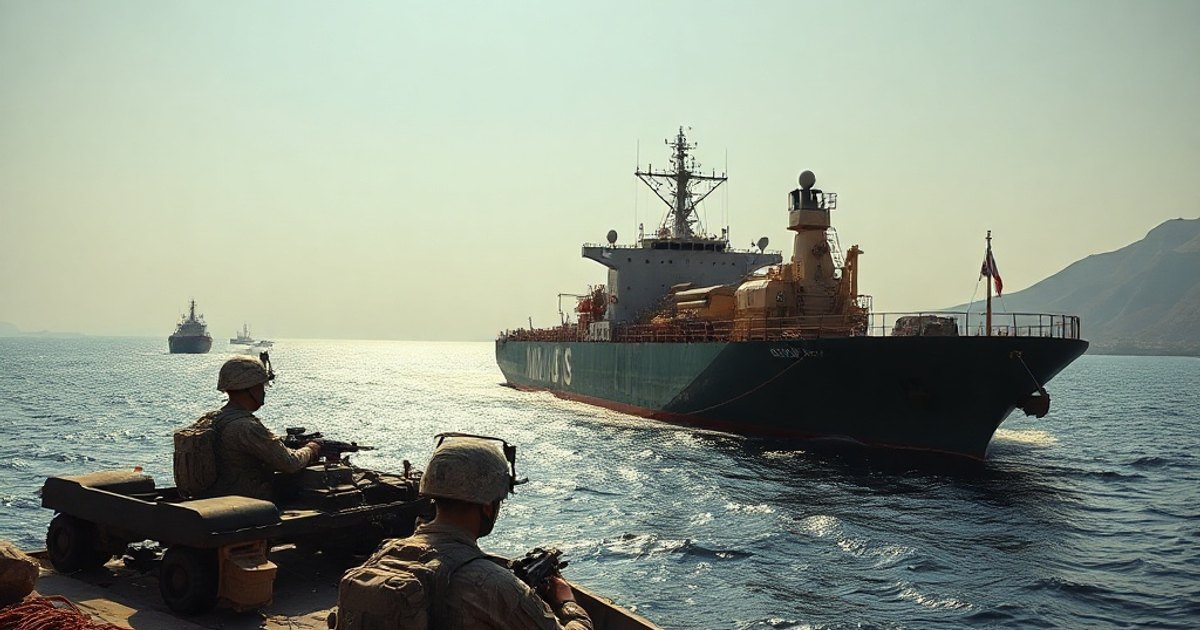
- US Marines boarded Iranian-flagged tanker M/T Celestial Sea in Gulf of Oman on May 20
- Iran demands $12 billion in frozen assets held in Qatar to resume ceasefire talks
- US seized $344M–$500M in Iran-linked digital assets between April and May 2026
- Bitcoin shows sensitivity to ceasefire headlines and Strait of Hormuz developments
- One-fifth of world oil transits the Strait of Hormuz annually
Tanker boarding reignites ceasefire dispute
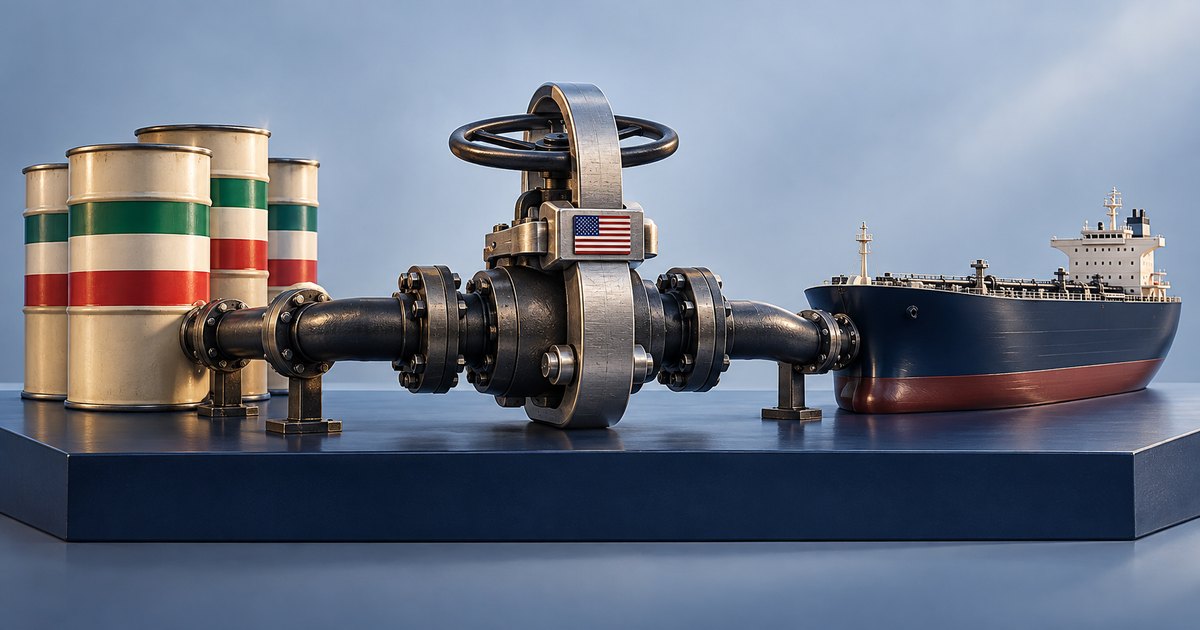
Iran's government has labeled the operation a direct violation of the ceasefire agreement, called it an act of piracy, and slammed the door on future negotiations until one very specific condition is met: the immediate release of $12 billion in frozen Iranian assets currently held in Qatar. The move came after a 12-day military conflict preceded the current ceasefire between the two nations, leaving both sides on fragile footing.
US Secretary of State Marco Rubio has acknowledged "slight progress" on a framework for future discussions, though the tanker seizure suggests operational divergence between diplomatic channels and military command. An additional $12 billion sits on the table if the two sides reach a memorandum of understanding within 30 days, creating a narrow window for de-escalation.
The stakes extend beyond bilateral relations. Roughly a fifth of the world's oil passes through the Strait of Hormuz, making any disruption a potential inflationary shock for global energy markets and crypto volatility.
Crypto becomes sanctions enforcement frontier
The tanker boarding isn't the only pressure point. Between April and May 2026, US authorities seized between $344 million and $500 million in Iran-linked digital assets, signaling that Washington now views crypto infrastructure as a legitimate front in its sanctions enforcement strategy. These seizures operate in parallel with traditional maritime interdiction, creating a two-pronged squeeze on Iranian capital flows.
Bitcoin has shown clear sensitivity to headlines tied to the ceasefire and the Strait of Hormuz, reflecting trader concern that geopolitical friction could disrupt oil supplies and trigger broader market contagion. The convergence of military, diplomatic, and digital-asset pressure points suggests the dispute will remain volatile until both sides move off their stated positions.