US Blockade Seizes $1B Iranian Crypto as Tehran Demands Bitcoin for Shipping
In brief
- US Central Command redirected 135–142 ships and disabled nine vessels targeting Iranian ports since April 13
- US Treasury seized $1 billion in Iranian-linked crypto, bringing total frozen digital assets to $1.35 billion
- Iran now demands Bitcoin for shipping transit and insurance through the Strait of Hormuz
Naval blockade intensifies
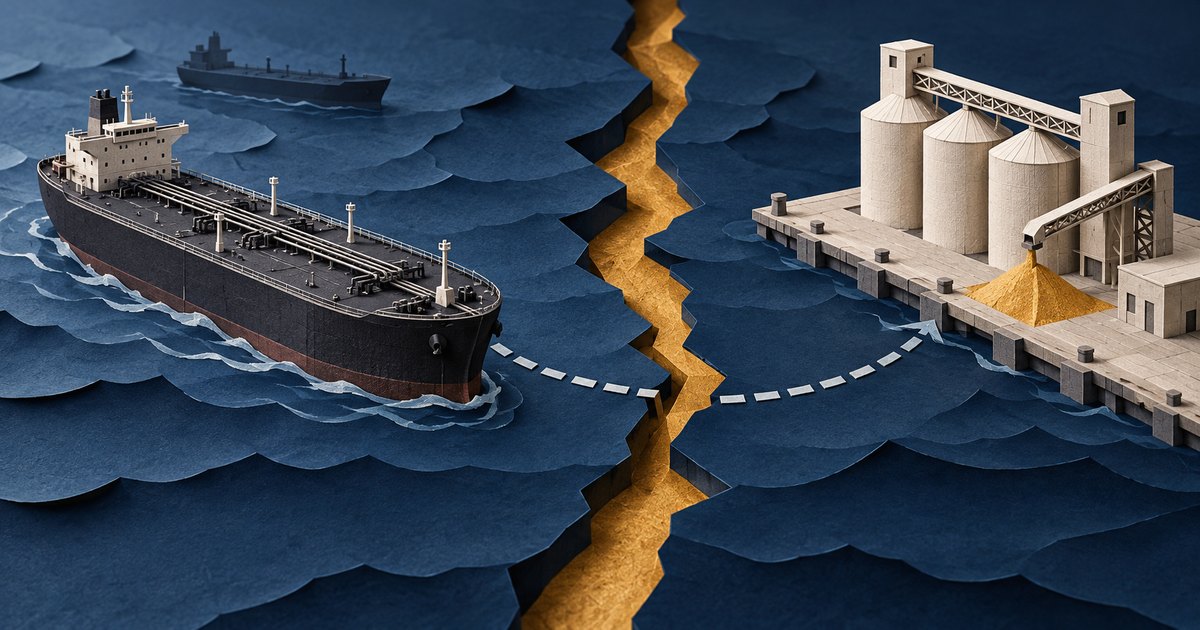
US Central Command redirected between 135 and 142 commercial ships since April 13. The operation targets Iranian ports with surgical precision. Nine non-compliant vessels were disabled through precision strikes after receiving prior warnings to divert. No vessels have successfully evaded the blockade so far.
The disabled ships included the Guinea-Bissau-flagged Jalvee and the Palau-flagged M/T Settebello, both oil tankers. They refused multiple directives to change course. Humanitarian vessels have been allowed through under limited circumstances, though CENTCOM's threshold for what qualifies remains tightly controlled.
The blockade does not affect ships transiting the Strait of Hormuz en route to non-Iranian destinations, a critical distinction that preserves global shipping lanes while targeting Tehran specifically.
Crypto becomes the sanction battleground
The financial pressure extends beyond naval operations. The US Treasury seized approximately $1 billion in Iranian-linked cryptocurrency holdings as part of the broader campaign. That figure comes on top of earlier freezes totaling roughly $344 million, bringing the combined total to nearly $1.35 billion in frozen or seized digital assets.
The Treasury also sanctioned Iranian digital asset exchanges, cutting off on-ramps and off-ramps that Tehran had been using to move money outside traditional banking channels. The strategy attempts to choke off alternative financial routes as conventional sanctions tighten.
Iran's response reveals how quickly geopolitical pressure reshapes payment behavior. Iran is reportedly now demanding payments in Bitcoin or other digital assets for transit fees and insurance charges related to shipping through the Strait of Hormuz. The shift to cryptocurrency bypasses frozen bank accounts and traditional wire systems, though it exposes Iran to volatility and the risk of further seizures if wallets are traced and identified.
The convergence of naval blockade and crypto sanctions marks a new phase in economic warfare—one where digital assets become both a refuge from traditional finance and a target for seizure.
Frequently asked questions
Why is the US blocking Iranian ports?
US Central Command is targeting Iranian ports as part of a broader economic pressure campaign against Iran. The blockade redirects commercial shipping away from Iranian destinations while disabling non-compliant vessels.
How much Iranian crypto has the US seized?
The US Treasury seized approximately $1 billion in Iranian-linked cryptocurrency holdings, plus earlier freezes of roughly $344 million, bringing the total to nearly $1.35 billion in frozen or seized digital assets.
Why is Iran demanding Bitcoin for shipping?
Iran is using Bitcoin and other digital assets to collect transit fees and insurance charges for ships through the Strait of Hormuz, bypassing frozen traditional bank accounts and sanctioned financial channels.