Flock Safety Cameras Face Congressional Backlash Over Privacy Abuse
In brief
- Rep. Thomas Massie introduces legislation blocking federal funding for Flock cameras and automated license plate readers
- Institute for Justice documented 24+ cases of officers resigning or arrested for using systems to stalk romantic partners
- Activists destroyed at least 33 Flock cameras across 23 states in June and July
The Legislation
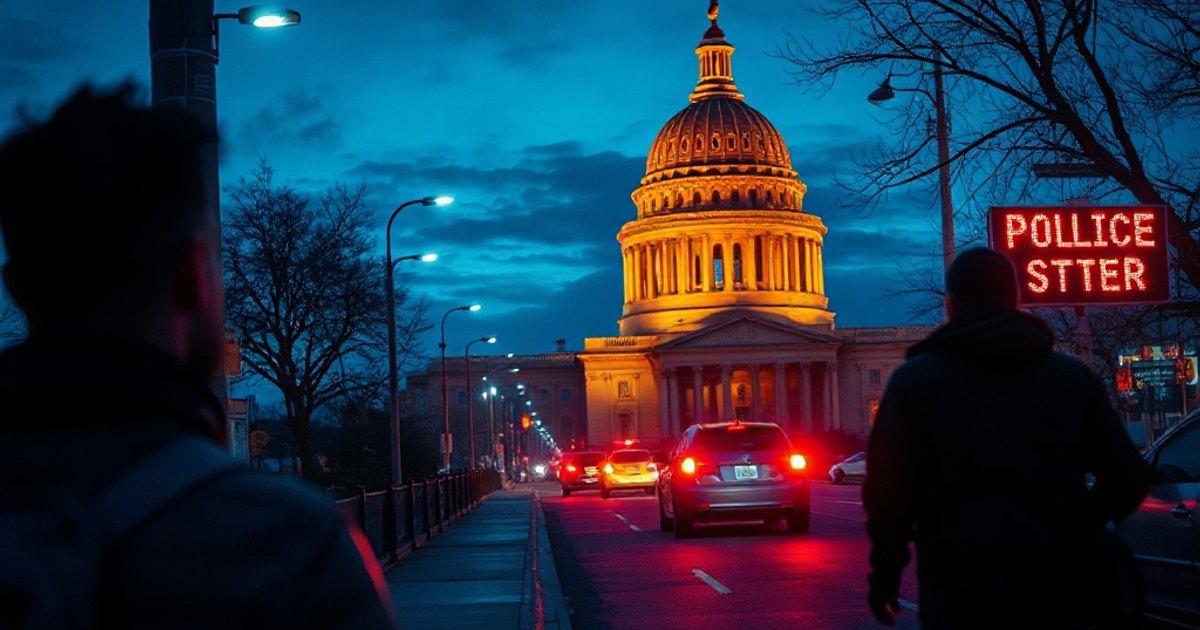
Rep. Thomas Massie plans to introduce legislation that would withhold federal funding from municipalities and law enforcement agencies deploying automated license plate reader systems, including Flock cameras. The proposal marks an escalation in what began as local opposition at city council meetings.
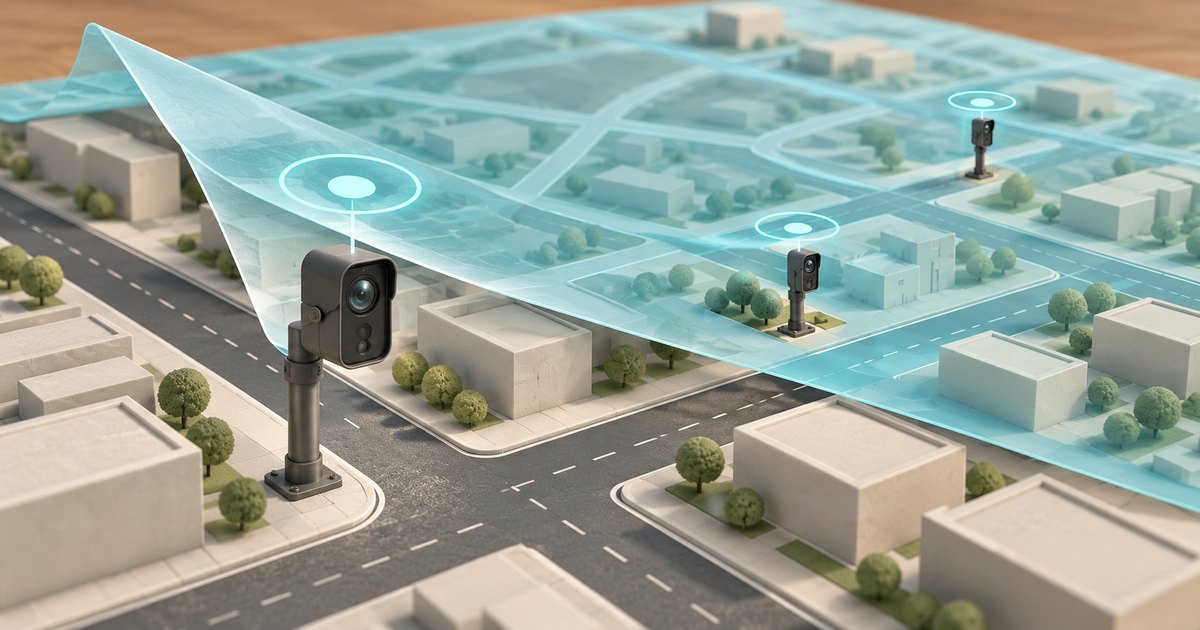
Massie's move reflects a broader shift in how policymakers view the technology. Founded in 2017 and based in Atlanta, Flock Safety operates internet-connected cameras that automatically photograph passing vehicles and read license plates. The cameras use computer vision to identify vehicle characteristics such as make, model, color, decals, and roof racks. The company says it does not use facial recognition and typically retains data for 30 days unless local laws require otherwise.
Documented Abuse and Protests
Yet the technology's actual deployment has raised serious concerns. The Institute for Justice identified over two dozen cases nationwide in which officers resigned or were arrested for allegedly using automated license plate reader systems to stalk romantic partners. In February, Milwaukee prosecutors charged an officer accused of using Flock to track a romantic partner and her former partner. In July, an internal affairs detective who investigated that case was arrested after authorities alleged he also used Flock to track people for personal reasons.
The surveillance concerns extend beyond stalking. The Electronic Frontier Foundation reported that agencies searched license plate databases during protests, including the No Kings protests in 2025. Texas deputies queried Flock data during an abortion investigation that authorities initially described as a missing-person case in 2025.
Frustration has turned into direct action. During June and July, activists across the country spray-painted, taped over, disabled and destroyed Flock cameras in protest of automated surveillance. The Guardian identified at least 33 incidents across 23 states.
In St. Petersburg, Florida, Carl Gunn, a 77-year-old, has staged solo protests beneath Flock cameras, holding a sign that blocks their view. His message reflects a broader sentiment: "This is just another thing to take our information and to spy on us. I have a constitutional right to my privacy. I'm a law-abiding citizen, and I don't need anyone sticking their nose in my" business.
Flock's leadership maintains the cameras improve public safety. The company argues that once people understand the technology's actual function—photographing vehicles and reading plates—most recognize the value. That framing, however, hasn't slowed the momentum building against the cameras at both the grassroots and legislative levels.
Frequently asked questions
What do Flock cameras actually do?
Flock Safety cameras automatically photograph passing vehicles and read their license plates. They use computer vision to identify vehicle characteristics such as make, model, color, decals, and roof racks. The company says the cameras do not use facial recognition and typically retain data for 30 days unless local laws require otherwise.
Why are people protesting Flock cameras?
Protesters cite multiple concerns: documented cases of officers using the cameras to stalk romantic partners, law enforcement querying the system during abortion investigations and political protests, and broader privacy fears. The Institute for Justice identified over two dozen cases of officer abuse nationwide.
What legislation is being proposed against Flock?
Rep. Thomas Massie plans to introduce legislation that would withhold federal funding from municipalities and law enforcement agencies that deploy automated license plate reader systems, including Flock cameras.