Iran and US establish direct communication channel after Doha talks
In brief
- Iran and US concluded indirect technical talks in Doha and agreed to establish a dedicated communication channel.
- The channel will monitor compliance with the Islamabad Memorandum of Understanding signed June 17, 2026.
- The MoU includes a 60-day negotiation window with Strait of Hormuz reopening as priority.
Talks Conclude with Operational Framework
Iran and the United States have wrapped up a round of indirect technical discussions in Doha, Qatar, with both sides agreeing to establish a dedicated communication channel. Neither US President Donald Trump nor Iranian President Masoud Pezeshkian participated directly in the Doha sessions, which were conducted indirectly through intermediaries. Iranian Deputy Foreign Minister Kazem Gharibabadi confirmed that the communication channel would become operational imminently.
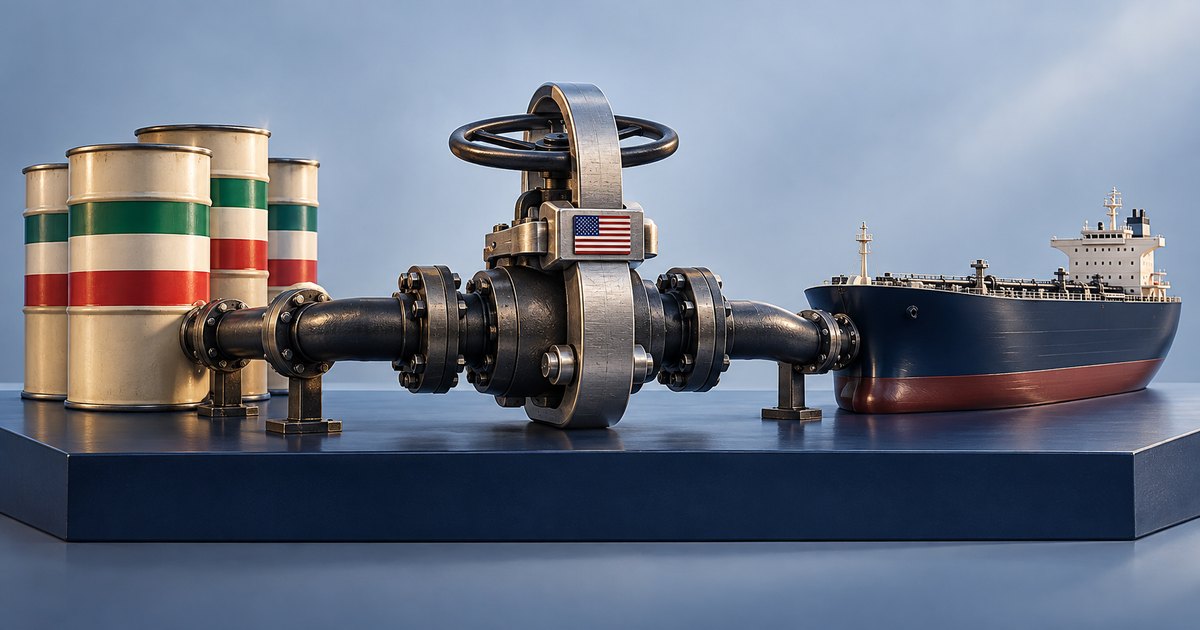
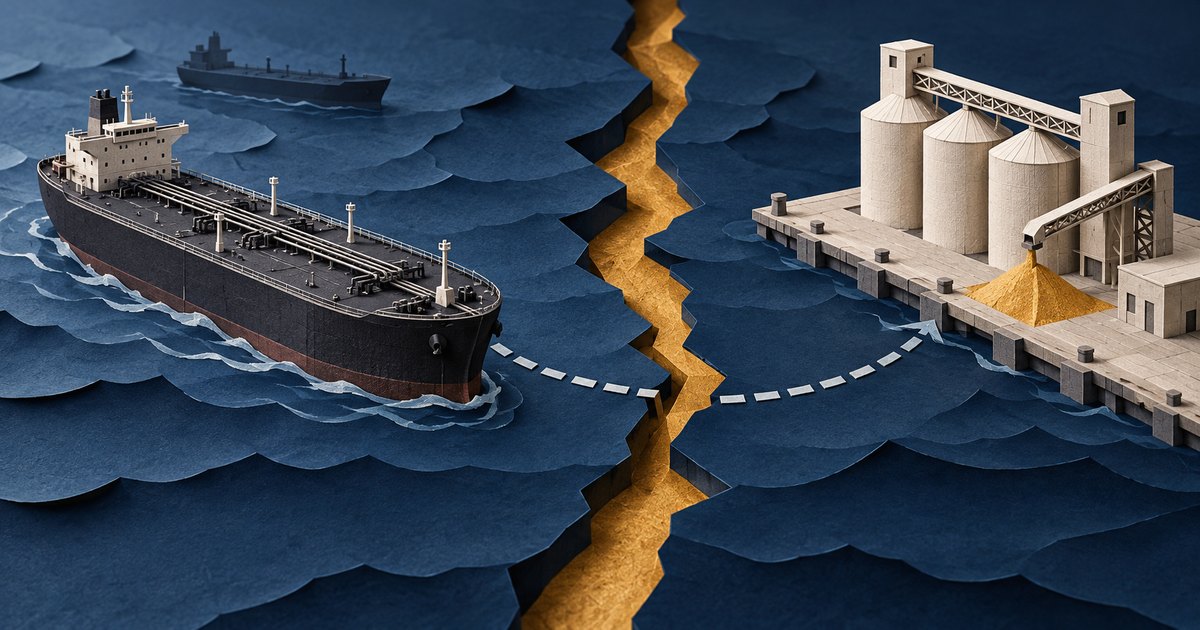
The memorandum was brokered with the help of mediators from Qatar and Pakistan. The MoU includes a 60-day negotiation window for resolving key sticking points, with the Strait of Hormuz reopening at the top of the list. The communication channel itself is designed to manage disputes, which theoretically reduces the risk of sudden escalation.
Crypto Markets Face Structural Uncertainty
The agreement carries implications for how digital assets function in global trade. Iran has a documented history of leveraging digital assets, particularly Bitcoin, to navigate the economic constraints imposed by US sanctions. Bitcoin has reportedly been used for toll payments in the Strait of Hormuz during ceasefire periods.
Previous rounds of US-Iran negotiations have triggered noticeable short-term volatility in major tokens including BTC, ETH, XRP, and SOL. The outcome of this channel's operation remains speculative, but the trajectory is clear: sanctions relief typically reduces reliance on alternative payment systems.
Sanctions Relief Could Reshape Digital Asset Demand
If the MoU leads to meaningful sanctions relief for Iran, it could increase the country's ability to participate in global energy markets through conventional financial channels. That might reduce Iran's reliance on crypto for sanctions evasion. Iranian sanctions have also directly affected several cryptocurrency exchanges tied to government entities, and any loosening of those financial restrictions under the MoU could change the compliance landscape for exchanges operating in or near Iranian markets.
The longer-term question is whether formal integration of digital assets into any new trade frameworks would legitimize crypto's role in international commerce. For now, the channel's establishment signals a potential shift in how regional disputes—and the financial systems that support them—get managed.