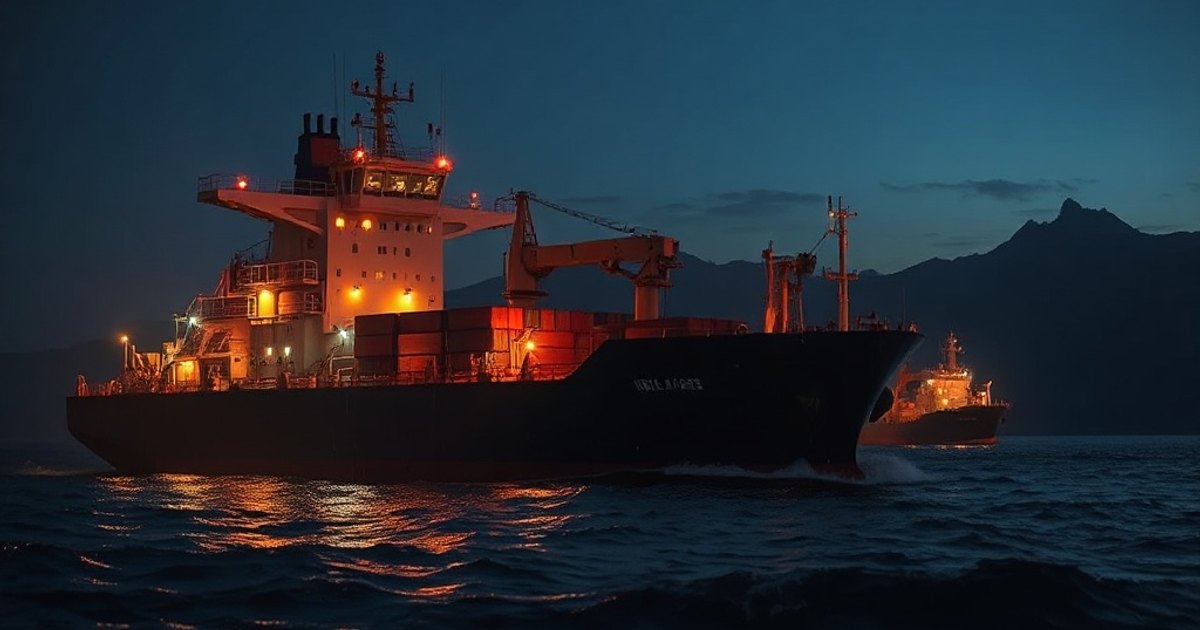
IRGC Navy halts US oil tanker in Strait of Hormuz
In brief
- IRGC Navy halted US oil tanker in Strait of Hormuz following warning shots.
- Strait of Hormuz handles ~20% of global petroleum, making it a critical chokepoint.
- May 31 ship transit prediction market dropped to 23.5% YES from 48%.
- July 31 traffic normalization market priced at 60% YES, signaling longer-term stability confidence.
The Strategic Chokepoint
The Strait of Hormuz is a strategic chokepoint, with approximately 20% of the world's petroleum passing through it. This action has intensified the already fragile geopolitical situation in the region, a critical maritime corridor for global energy security. The US and its allies have expressed concerns over the security of maritime navigation in the Strait of Hormuz, with the latest incident underscoring those worries.
Iran has historically asserted control over the Strait and views such operations as routine enforcement of its maritime boundaries. Whether the IRGC Navy's action constitutes a deliberate escalation or standard assertion of authority remains contested.
Market Reaction and Prediction Markets
Prediction markets reacted sharply to the incident. The Strait of Hormuz Ship Transit market for May 31 dropped to 23.5% YES, down from 48% a day earlier, signaling that market participants view immediate disruptions to shipping as more likely in the near term.
Yet longer-term expectations tell a different story. The Strait of Hormuz Traffic Normal by July 31 market is priced at 60% YES, reflecting a slight increase from 57% 24 hours ago. This divergence suggests that while traders expect short-term friction, they remain confident in the corridor's stability over a two-month horizon.
Prediction markets don't always reflect actual disruption risk—they can overreact to geopolitical incidents or discount them prematurely. The sharp move in May pricing coincided with the incident, but the modest shift in July pricing hints at market skepticism about sustained disruption.