

Topic: #politics
-

Trump says DOJ has frozen nearly $1 billion in crypto tied to foreign scams
Trump told a White House cybercrime roundtable on Oct. 21 that authorities have frozen nearly $1 billion in scam-linked crypto. The DOJ's Scam Center Strike Force puts the restrained total at $938.46 million as of Oct. 15.
-

Trump set to address foreign crypto scams at White House event, report says
President Trump is scheduled to speak on overseas crypto scams at a White House event on October 21, 2026, Crypto Briefing reported, after FBI data showed more than $11 billion in crypto-fraud losses in 2025.
-

Alberta votes in nonbinding referendum on leaving Canada as Premier Smith backs Remain
Alberta held a nonbinding referendum on whether to stay in Canada or pursue independence, Crypto Briefing reported. Premier Danielle Smith backed the Remain option, and final results were still pending.
-

Kansas Senate poll shows Hamilton, Marshall in statistical tie
An InsiderAdvantage poll reported by Crypto Briefing shows Democrat Adam Hamilton in a statistical tie with Republican Senator Roger Marshall (Hamilton slightly ahead) in Kansas' 2026 U.S. Senate race.
-

Trump waives 500% Russia tariffs as October 18 oil purchase deadline arrives
President Trump's October 16 order implementing the Graham Russia-Iran sanctions act set 500% and 100% duties, then waived them with no fixed expiry, according to CryptoSlate's reporting.
-

Ipsos poll: 69% of Democrats, 61% of Republicans oppose prediction market election bets
An Ipsos poll published by Reuters found 69% of Democrats and 61% of Republicans oppose using prediction markets to bet on elections, CryptoSlate reported. The poll measured approval of betting, not trust in forecasts.
-

Trump administration withdraws 2020 FinCEN unhosted crypto wallet proposal
Trump's second administration formally withdrew a December 2020 Treasury proposal that would have required crypto exchanges to collect more data on transactions involving self-controlled wallets, CryptoSlate reported.
-

Fairshake-affiliated crypto PACs report $2.7M in House race spending
Fairshake affiliates Defend American Jobs and Protect Progress reported a combined $2.7 million in media spending on US House races in FEC filings, Cointelegraph reported, 22 days before the midterms.
-

New York AG secures up to $35M settlement from ex-Celsius CEO Alex Mashinsky
New York AG Letitia James announced a settlement on October 8 requiring former Celsius CEO Alex Mashinsky to pay up to $35 million and barring him from trading securities or crypto.
-

Cuomo urges crypto industry to back both parties as CLARITY Act stalls in Senate
Former New York governor Andrew Cuomo urged crypto companies to balance political support between Democrats and Republicans, arguing durable federal rules need both parties, Crypto Briefing reported, after the CLARITY Act stalled in the Senate.
-

Cuomo says crypto's Republican spending alienated Democrats needed for CLARITY Act
Former New York Governor Andrew Cuomo said at Token2049 that the crypto industry's heavy backing of Republicans alienated the Democrats whose votes are needed to pass federal crypto legislation like the CLARITY Act.
-

Ramaswamy's Ohio governor bid sidelines crypto despite $170M Strive stake: report
Vivek Ramaswamy hasn't dropped his pro-Bitcoin positions but isn't putting them up front in his Ohio governor campaign, Cointelegraph reported, even as he keeps a Strive stake worth more than $170 million.
-

Quebec regulator warns Pump.fun is unregistered and unauthorized
Quebec's financial regulator issued a public warning against Pump.fun on September 25, stating the Solana-based token launcher operates without proper registration or authorization to solicit investors in the province.
-
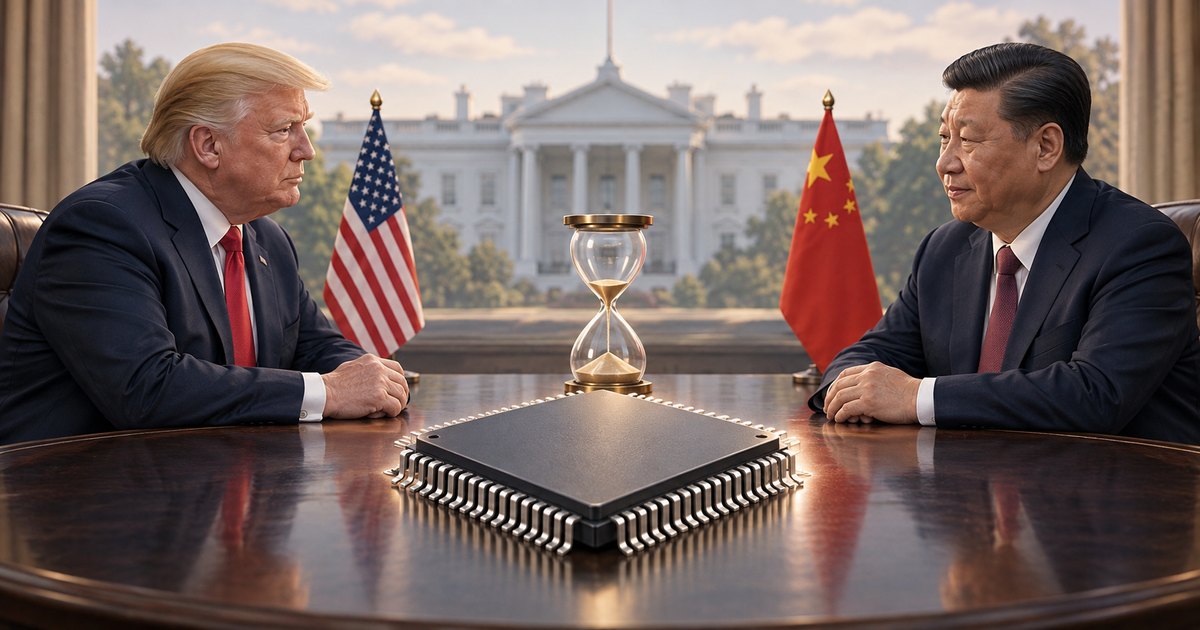
Trump hosts Xi for Washington summit as tariff truce expires
President Trump and Chinese President Xi Jinping meet in Washington on September 23-24, 2026, as a one-year tariff truce negotiated in Busan approaches expiration. The summit's outcome could reshape global trade dynamics and determine the fate of semiconductor export controls affecting major tech firms.
-

Senate rejects CLARITY Act; crypto PACs signal 2026 spending surge
The Senate rejected the Digital Asset Market Clarity Act on September 15, and crypto-backed PACs are now signaling they'll increase spending to influence the 2026 midterm races where control of Congress hangs in the balance.
-

Nvidia CEO: AI infrastructure costs $50B–$60B per gigawatt
Nvidia CEO Jensen Huang told G20 innovation ministers that building a single gigawatt of AI computing infrastructure would cost between $50 billion and $60 billion, underscoring the massive capital requirements needed for global AI competitiveness.
-

Crypto industry deploys $206 million to reshape 2026 midterm races
Crypto corporations have become the largest disclosed corporate donor sector in the 2026 midterms, channeling $206 million through super PACs and hybrid PACs as of Q2, according to Public Citizen's FEC analysis. Fairshake leads the network with $137.9 million in receipts and $108.3 million in cash reserves.
-

US-China AI talks unlikely to yield binding agreements, Campbell warns
Kurt Campbell, former US Deputy Secretary of State, warned that US-China discussions on AI and security won't produce binding agreements due to fundamental trust deficits, with recent talks focusing instead on risk notification mechanisms rather than formal restrictions.
-

Qatar Investment Authority launches domestic platform for local holdings
Qatar's sovereign wealth fund is establishing a dedicated entity to manage its domestic portfolio, including stakes in Qatar National Bank and Ooredoo, as part of a broader strategy to nurture "national champions" anchoring the non-hydrocarbon economy.
-

Saudi Arabia exits mBridge digital currency platform after exploratory phase
Saudi Arabia's central bank withdrew from mBridge, the China-led cross-border payments system, after completing its proof-of-concept phase in May 2025. The exit signals Riyadh's hesitation about platforms designed to bypass Western financial infrastructure and sanctions mechanisms.
-
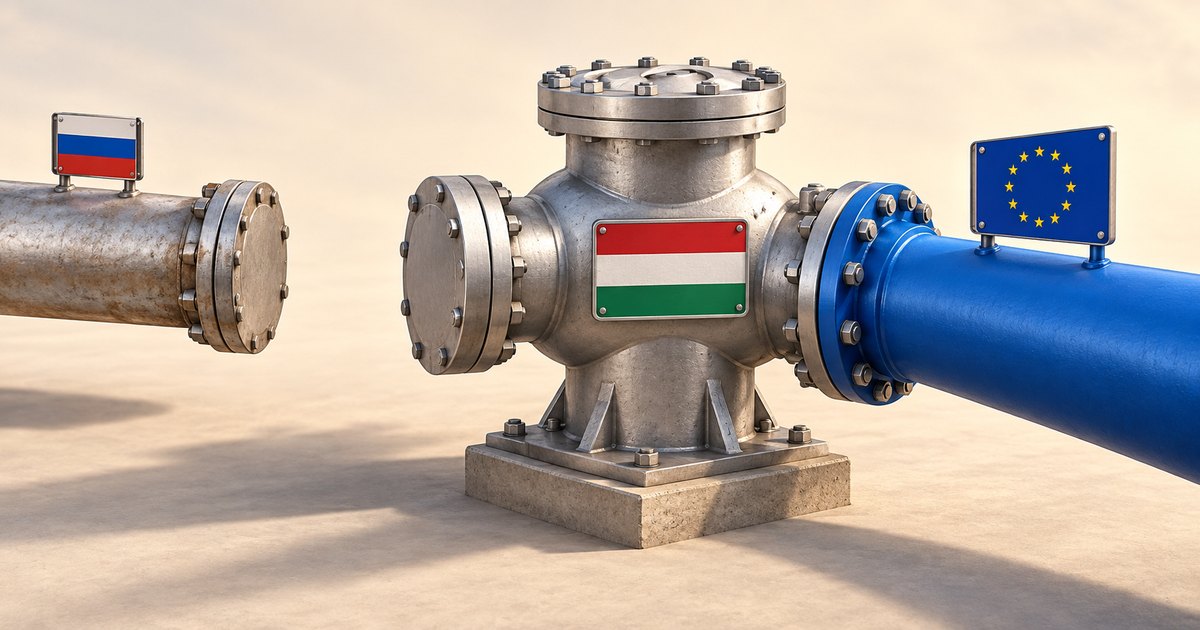
Hungary ends Russian gas imports by October 2027, reshaping EU energy
Hungary's Economy and Energy Minister announced the country can secure all natural gas from non-Russian sources by October 2027, marking a sharp reversal from Orbán-era dependence and aligning with the EU's REPowerEU initiative.
-

Strait of Hormuz vessel attacked; oil supply concerns mount
A projectile strike on a vessel in the Strait of Hormuz on September 12-13 has intensified fears about global oil stability. The incident marks the latest disruption in a critical waterway that handles roughly 20% of world oil supplies, with shipping traffic and crude prices already volatile from months of escalating attacks.
-
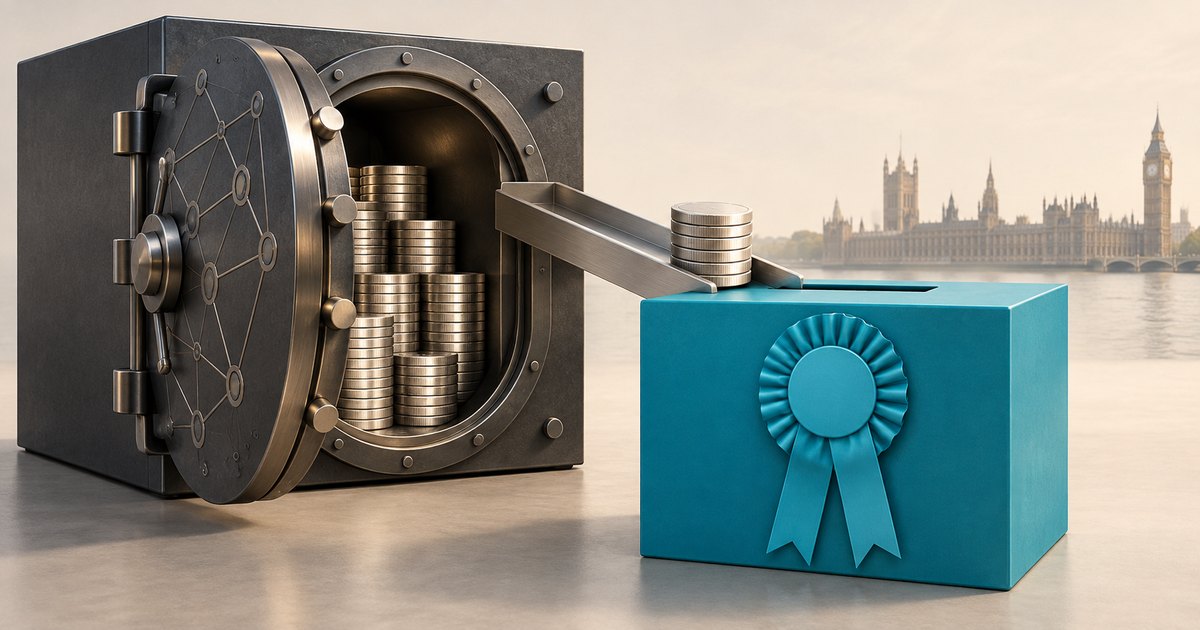
BitMEX Co-Founder Donates $49M to Nigel Farage's Reform UK
Ben Delo, co-founder of crypto exchange BitMEX, donated 36 million pounds to Nigel Farage's Reform UK, marking the largest donation ever made to a British political party. The gift reignites scrutiny of crypto industry influence on UK politics.
-

BaFin Declares Bank Sepah Frankfurt Branch Insolvent Over EU Sanctions
Germany's banking regulator placed the Frankfurt branch of Iran's state-owned Bank Sepah into insolvency on September 10 after EU sanctions severed its access to European payment systems, affecting 11 depositors and marking a significant blow to Iranian banking's presence in Europe.