Hungary ends Russian gas imports by October 2027, reshaping EU energy
In brief
- Economy Minister István Kapitány announced Hungary will source all natural gas from non-Russian suppliers by October 2027
- Pipeline rerouting through Romania and Croatia, expanded LNG access, and domestic infrastructure upgrades enable the transition
- State-owned MVM energy group confirmed demand can be met without Russian volumes, though costs will rise initially
- The shift reflects broader foreign policy realignment under Prime Minister Peter Magyar, including recent Russian diplomat expulsions
Three-Pillar Strategy
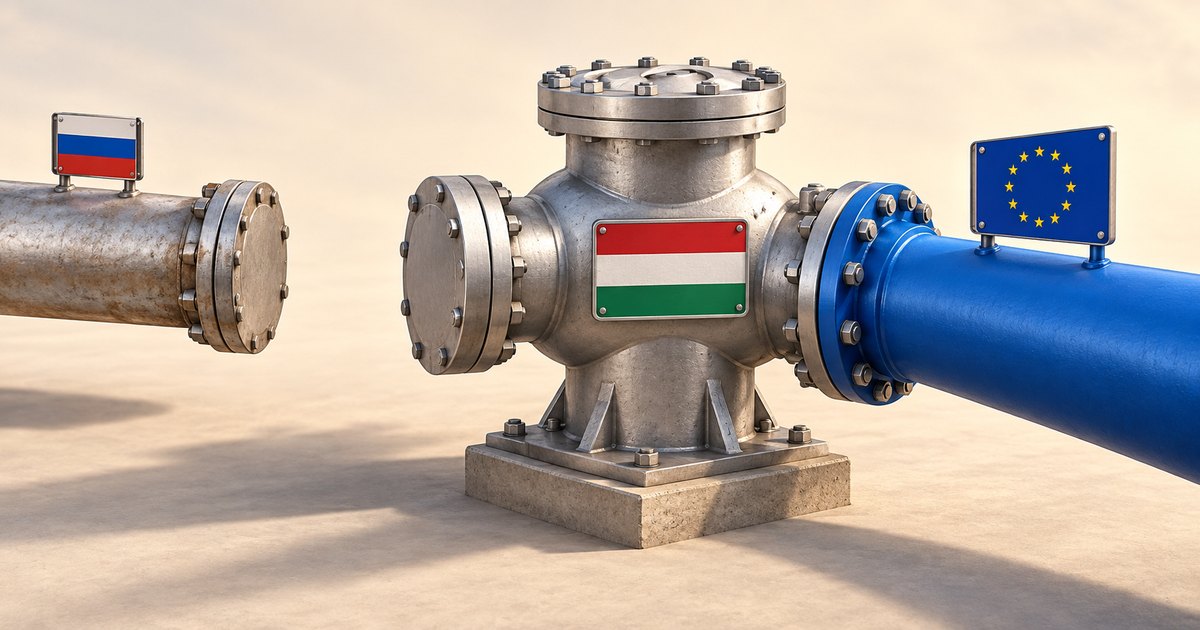
The strategy rests on three pillars: rerouting pipeline imports through friendly neighbors, expanding access to liquefied natural gas, and leaning on domestic infrastructure upgrades. Budapest has been negotiating with Romania and Croatia to widen its import corridors, including enhancements to the Adria pipeline connecting Hungary to Croatia's LNG terminal.
Hungary's state-owned MVM energy group has confirmed it can meet national demand without Russian volumes. The caveat: it will likely cost more. Switching to spot market LNG or pipeline gas from alternative sources will push energy costs higher, at least in the near term.
Broader Realignment
The gas pivot fits neatly into the EU's REPowerEU initiative, the bloc's coordinated plan to slash dependency on Russian energy launched after Moscow's invasion of Ukraine. It's part of a broader reorientation under Prime Minister Peter Magyar, who replaced Orbán and has moved quickly to realign Hungary with mainstream EU positions.
Budapest recently expelled Russian diplomats as part of its foreign policy realignment. The government is also reviewing Hungary's involvement in the Paks II nuclear expansion, a flagship project led by Russian state nuclear company Rosatom, with a decision expected by end of 2026.
The move signals a fundamental shift in Hungary's energy posture — one that carries both strategic gain and near-term economic friction.