IAEA confirms drone strike damaged Kursk nuclear plant cooling tower
In brief
- IAEA formally confirmed drone strike damaged cooling tower at Kursk NPP-2 unit 2 on July 5.
- Unit 2 remains non-operational; unit 1 entered commercial service in May 2026.
- Russian authorities reported no injuries, radiological consequences, or operational impacts.
- IAEA Director General Grossi called for nuclear safety zones around active and under-construction plants.
- Drone incidents have repeatedly targeted nuclear facilities across the region since 2022.
The strike and response
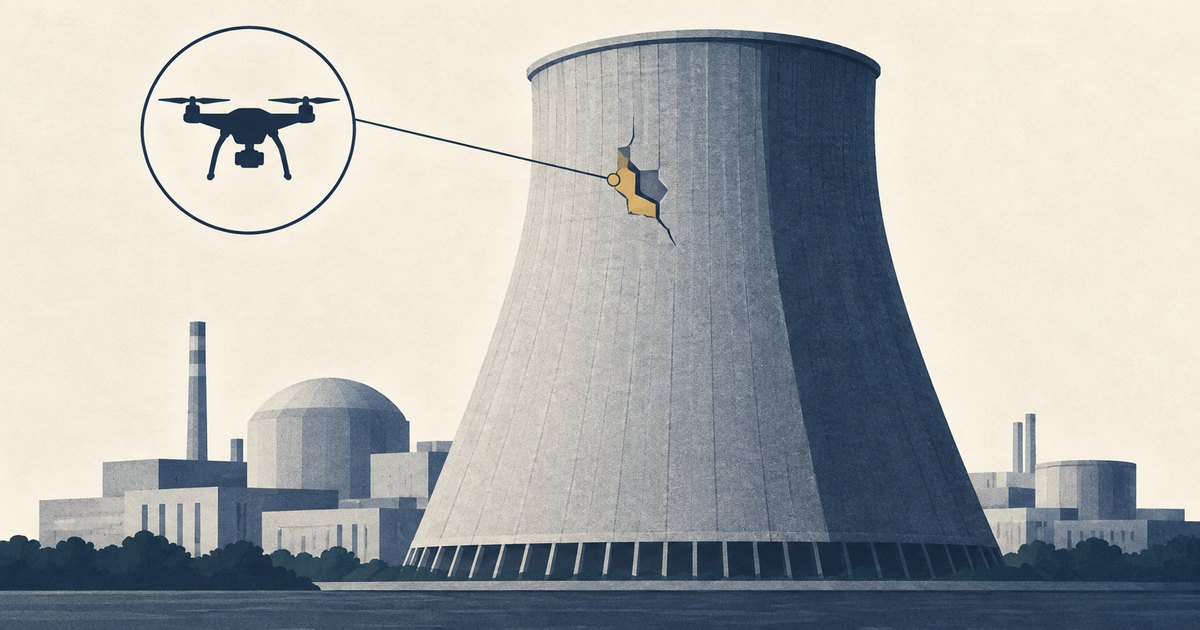
A drone struck the cooling tower of unit 2 at Kursk NPP-2 on July 5, marking another incident in a pattern of drone-related attacks on nuclear facilities. Russian air defense systems in the Kurchatov area intercepted 12 unmanned aerial vehicles during the same period. The IAEA's formal acknowledgment came four days later, establishing an independent record of the damage.
A cooling tower is part of the heat dissipation system that removes excess thermal energy from the power generation process. It's not where the nuclear reaction occurs. In an active unit, damage to a cooling tower could force a reactor shutdown as a precautionary measure. Here, the unit remains under construction, which constrained the immediate operational risk.
Kursk NPP-2 and its context
Kursk NPP-2 is a replacement facility for the aging Kursk nuclear power plant, which runs Soviet-era RBMK reactors, the same design involved in the 1986 Chernobyl disaster. The new plant is designed to house four VVER-TOI reactors, a modern pressurized water reactor design. Unit 1 of Kursk-II entered commercial operations just two months ago, in May 2026.
Russia's VVER-TOI design does incorporate modern containment structures that are more robust than their Soviet predecessors. Still, the targeting of nuclear infrastructure—whether operational or under construction—reflects the widening scope of conflict-zone risks.
The broader safety challenge
Since the conflict in Ukraine began in 2022, drone-related incidents have repeatedly affected nuclear facilities across the region. The IAEA is a monitoring and advisory body, not an enforcement one. Its role is to assess and report, not to compel protective action.
Grossi has been one of the most vocal international figures on the issue, repeatedly calling for the establishment of nuclear safety zones around active and under-construction plants.
The gap between the IAEA's advisory capacity and the geopolitical reality on the ground remains stark. Without enforceable protections or international agreement on nuclear facility sanctuaries, the risk to critical infrastructure persists.