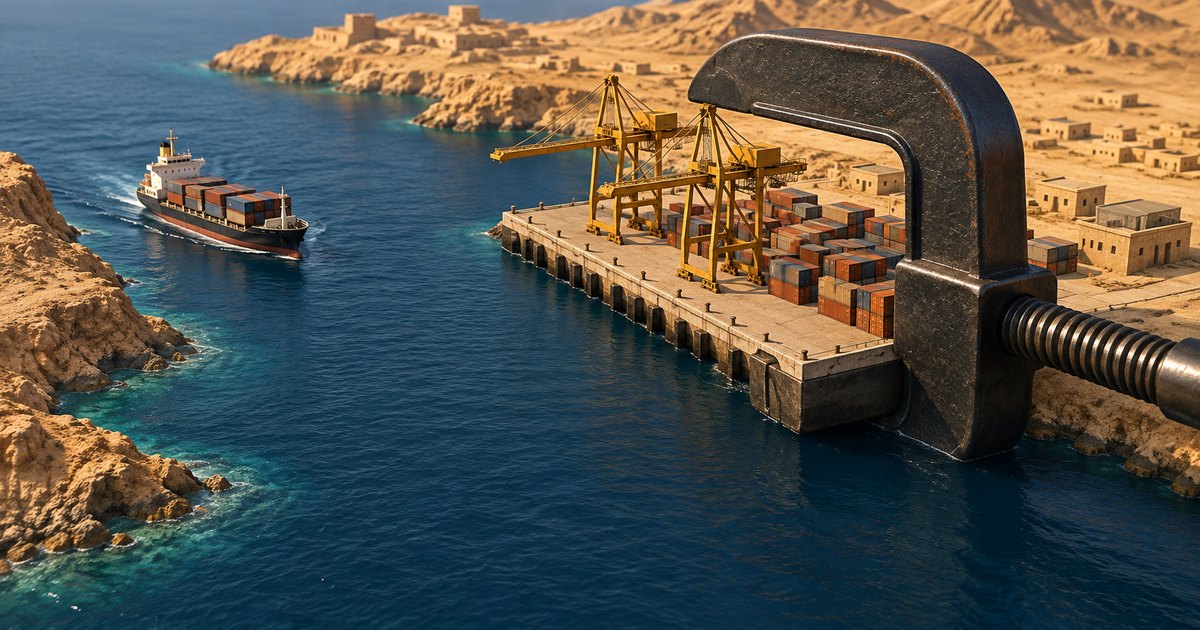
Strait of Hormuz vessel attacked; oil supply concerns mount
In brief
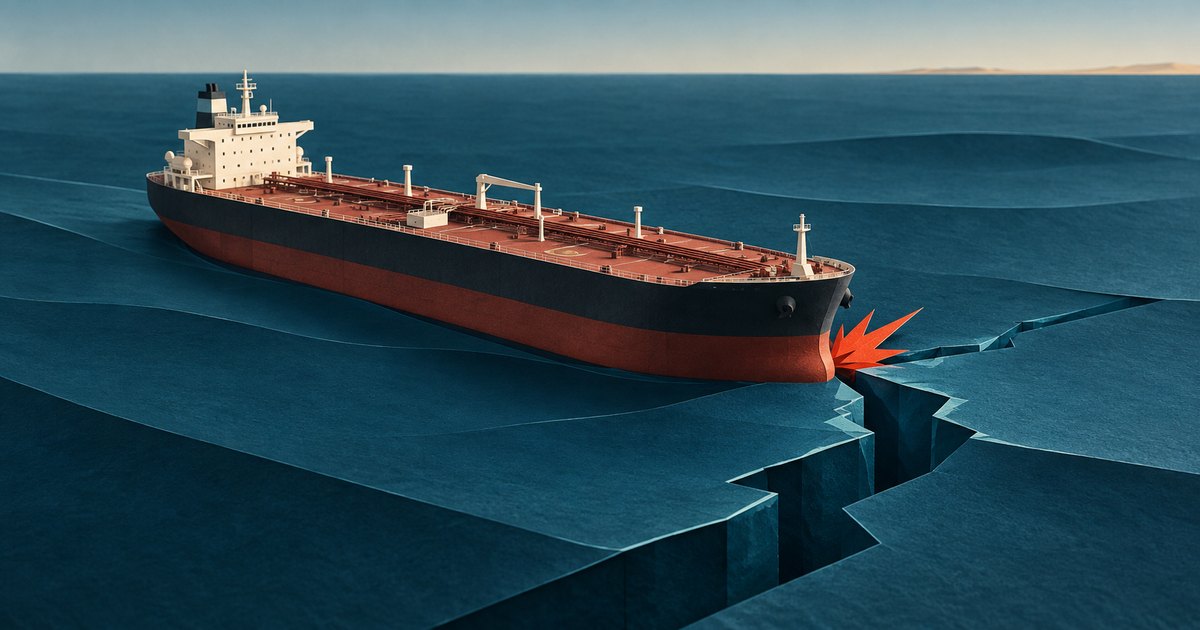
- Projectile struck a vessel in Strait of Hormuz on September 12-13, per UK Maritime Trade Operations
- Strait handles ~20 million barrels daily—roughly 20% of global oil supply
- Shipping traffic plummeted to 5-10 vessels per day on disrupted days, down from 130+
- Brent crude surged past $100/barrel in September 2026 amid escalating attacks
- Insurance costs for transiting vessels climbed dramatically since conflict began
Shipping Traffic Collapses During Disruptions
The latest strike follows months of drone and missile attacks from Iran, along with retaliatory US operations targeting Iranian vessels. On disrupted days, vessel transits through the strait have plummeted to as few as 5 to 10 ships, compared to a pre-conflict norm of over 130 per day. This collapse in traffic reflects the reality of operating through an active conflict zone.
The impact on actual oil flow has been severe. Oil volumes through the strait have at times dipped to roughly 2 million barrels per day—a 90% decline from normal throughput. That kind of disruption ripples across global energy markets within hours.
Alternative Routes Face Their Own Threats
Saudi Arabia's East-West pipeline typically moves 4 to 5 million barrels of oil per day and serves as one of the few alternative routes that bypasses the Hormuz chokepoint. But even that backup option isn't immune. Saudi Arabia temporarily shut down its East-West pipeline following a drone attack attributed to Iranian-backed militias operating from Iraq. When both primary and secondary routes face disruption, the global energy system feels the squeeze.
Markets React to Supply Uncertainty
Brent crude prices surged past $100 per barrel in September 2026, building on earlier spikes that followed attacks in June. The price swings reflect genuine supply anxiety—not speculation. Insurance costs for vessels transiting the strait have already climbed dramatically since the conflict began, and underwriters are actively reassessing their risk models. Higher insurance premiums effectively raise the cost of moving oil through the region, adding another friction layer to global energy trade.
The conflict has involved US and Israeli forces operating against Iran, with persistent shipping attacks and attempted truces creating a cycle of escalation and fragile de-escalation. Each new incident—whether a projectile strike or a drone attack—threatens to destabilize energy markets that depend on predictable flows through this narrow corridor.