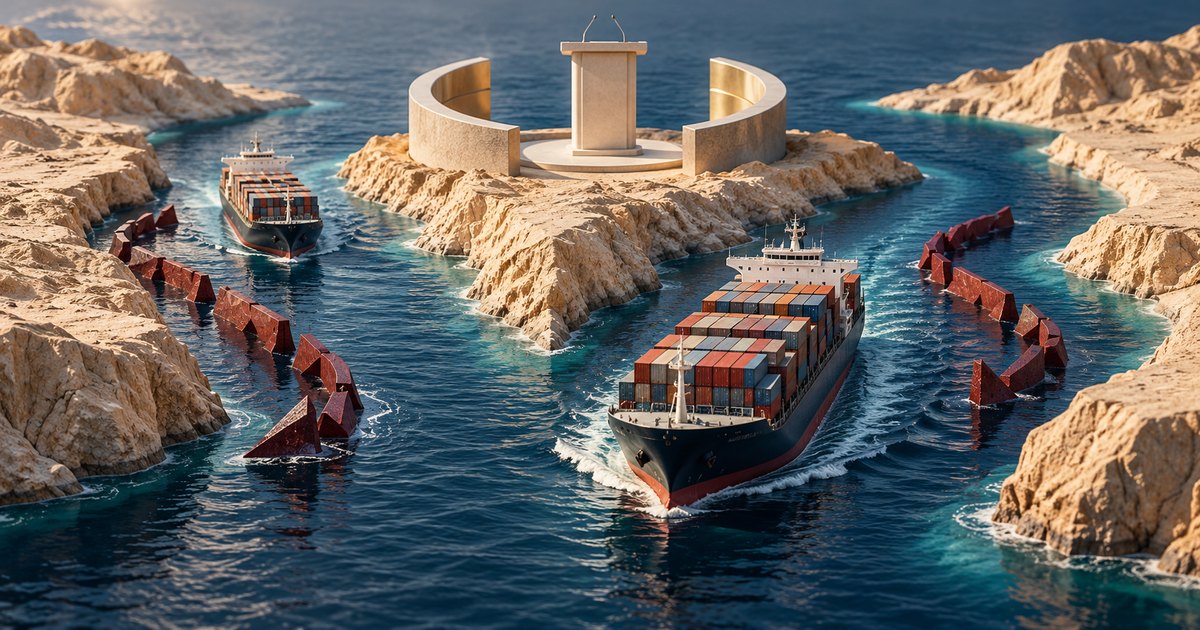
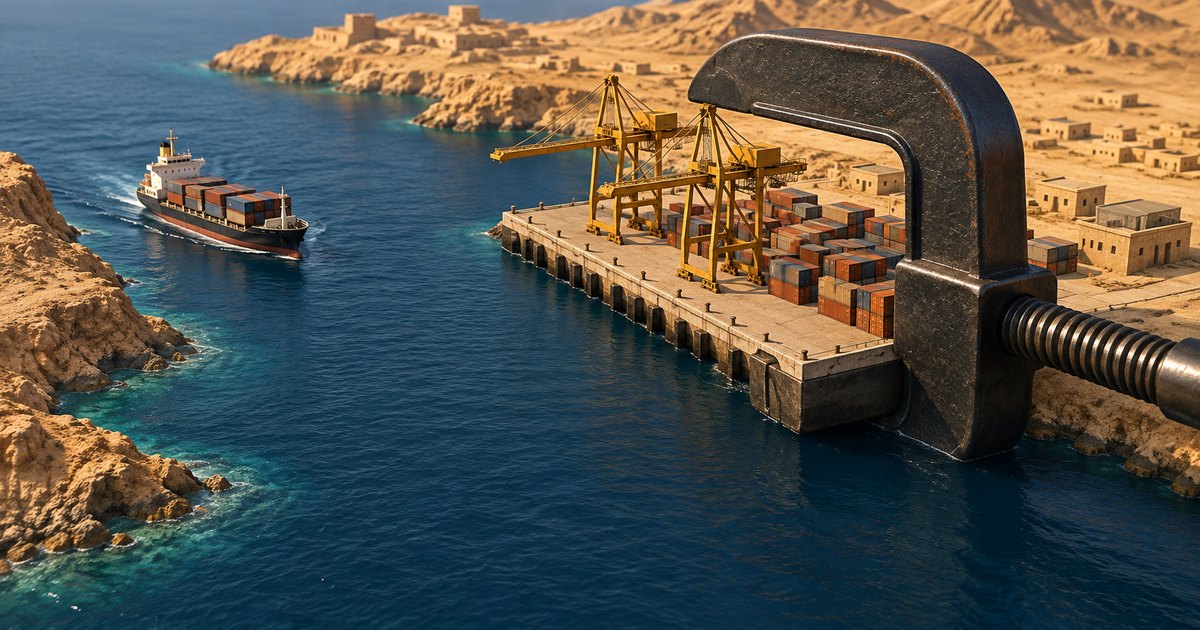
Houthis seize Mokha port, raising Red Sea shipping concerns
In brief
- Houthi rebels seized Mokha port in Yemen's Taiz governorate near the Bab al-Mandeb Strait.
- Mokha's strategic location makes it significant for maritime traffic through a key international shipping chokepoint.
- Prediction markets show declining odds of normal Strait of Hormuz traffic by year-end following the advance.
- Analysts debate whether Houthi territorial control translates into sustained shipping disruptions.
Strategic Significance
Mokha's position gives the Houthis control over a gateway to one of the world's most important maritime routes. Control of the port could significantly impact coastal supply routes and maritime access, potentially affecting trade flows through the Red Sea. The seizure occurs within the context of Yemen's ongoing civil war, where the Houthis have been fighting against the Yemeni government and a Saudi-led coalition.
The Strait of Hormuz itself remains a critical passage for global oil shipments. Any disruption to traffic through these waterways carries implications for energy markets and global supply chains.
Market Signals and Debate
Prediction markets have registered shifts in sentiment. The probability of normal Strait of Hormuz traffic by December 31 fell to 14.5% from 18% in the days following the Houthi advance, coinciding with the seizure. However, some analysts note that Houthi territorial control has not historically resulted in sustained shipping disruptions, and prediction markets may be pricing in worst-case scenarios rather than baseline expectations.
The distinction matters for traders and policymakers assessing actual risk versus speculative premium. While the instability introduced by the Houthi advance could contribute to further uncertainty regarding normal traffic conditions in the Strait of Hormuz, the gap between market pricing and realized disruption remains an open question.