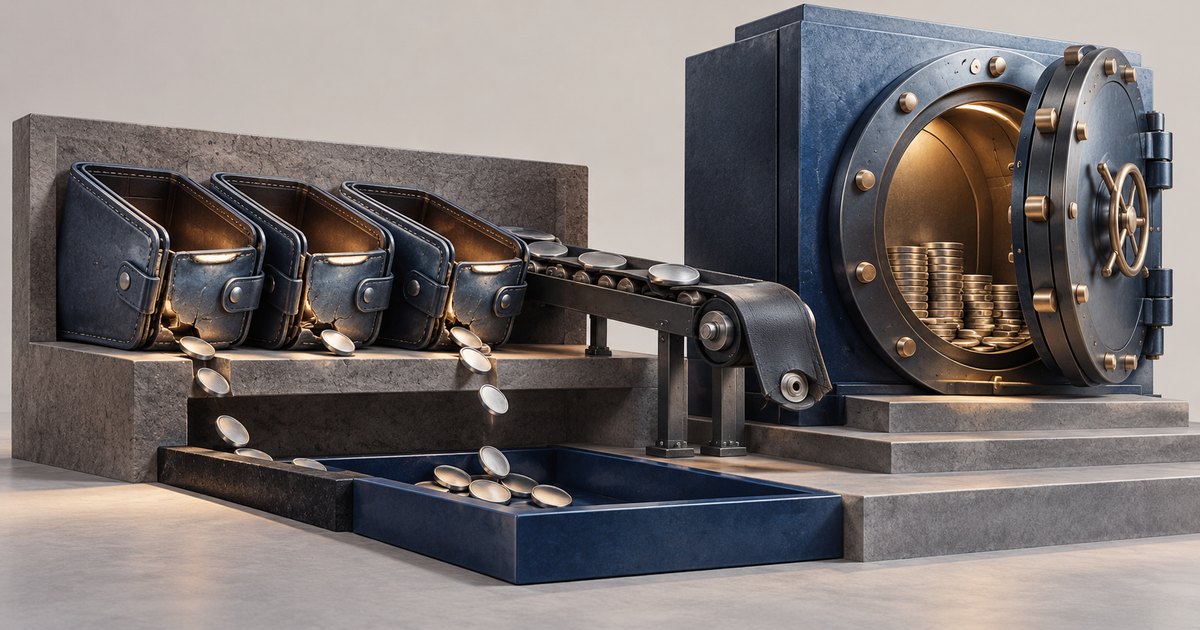
Saudi Pro League cuts transfer spending to €350M, lowest since 2023
In brief
- Saudi Pro League summer 2026 spending hit €350M, down 26.3% and lowest since 2023
- Al-Hilal accounted for 42% of league spending at €193M despite market pullback
- Saudi clubs completed more signings at lower fees and generated record $105M in player sales
- Strategic shift targets younger talent over established stars; league now ranks seventh globally
The Spending Slowdown
Al-Hilal, as usual, did most of the heavy lifting. The club spent €193 million on its own, accounting for roughly 42% of the entire league's outlay. Despite the overall pullback, average transfer fees dropped by about a third compared to 2023 levels, yet Saudi clubs managed to complete more individual signings than in prior windows. The window closed around September 6-7.
The numbers tell a story of recalibration, not collapse. Spending is down. Velocity is up.
From Buyer to Ecosystem Participant
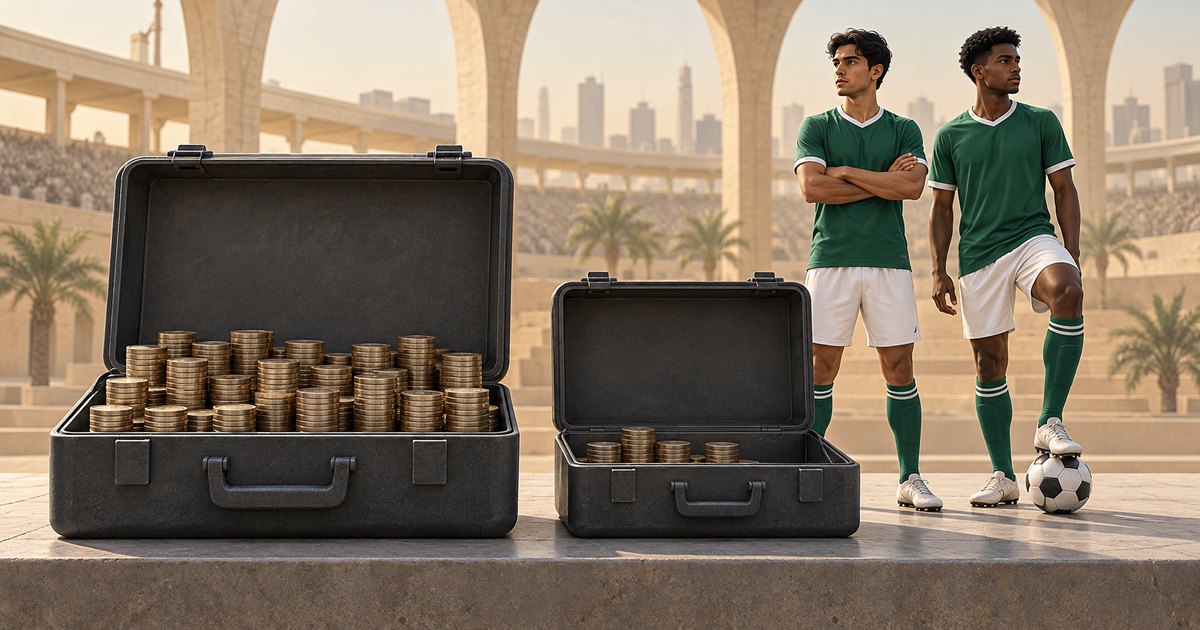
Cristiano Ronaldo's move to Al-Nassr in early 2023 opened the floodgates, triggering a wave of European star acquisitions that reshaped transfer market expectations. That era appears to be ending. The new strategy appears to center on younger, potentially undervalued players who can develop within the league.
More significant is what's happening on the outbound side. Player sales hit a record $105 million during the window, a metric that barely registered during the league's initial spending explosion. Saudi clubs are beginning to function as genuine participants in the global transfer ecosystem, buying and selling players rather than serving purely as a one-way destination for talent.
Market Implications
The shift carries implications for European selling clubs. The Saudi Pro League still ranked seventh globally in total transfer expenditure, trailing England, Italy, Spain, Germany, and France. But the appetite has cooled. Selling clubs may need to adjust their asking prices downward, or look elsewhere for the kind of premium fees that Saudi Arabia was willing to pay during the league's expansion phase.
For European negotiators accustomed to Saudi Arabia as a reliable buyer willing to overpay, the recalibration demands strategic adjustment. The era of premium markups appears to be over. What remains is a league learning to operate as a rational market participant—one that builds through development and outbound sales, not just headline acquisitions.