Saudi Arabia exits mBridge digital currency platform after exploratory phase
In brief
- SAMA completed its exploratory phase on mBridge and withdrew in May 2025
- Remaining members include central banks of China, Hong Kong, Thailand, and UAE
- mBridge processed $55.5 billion in transactions by late 2025 despite governance questions
- Saudi exit removes world's largest oil exporter from platform designed to bypass SWIFT
Timeline and Participation
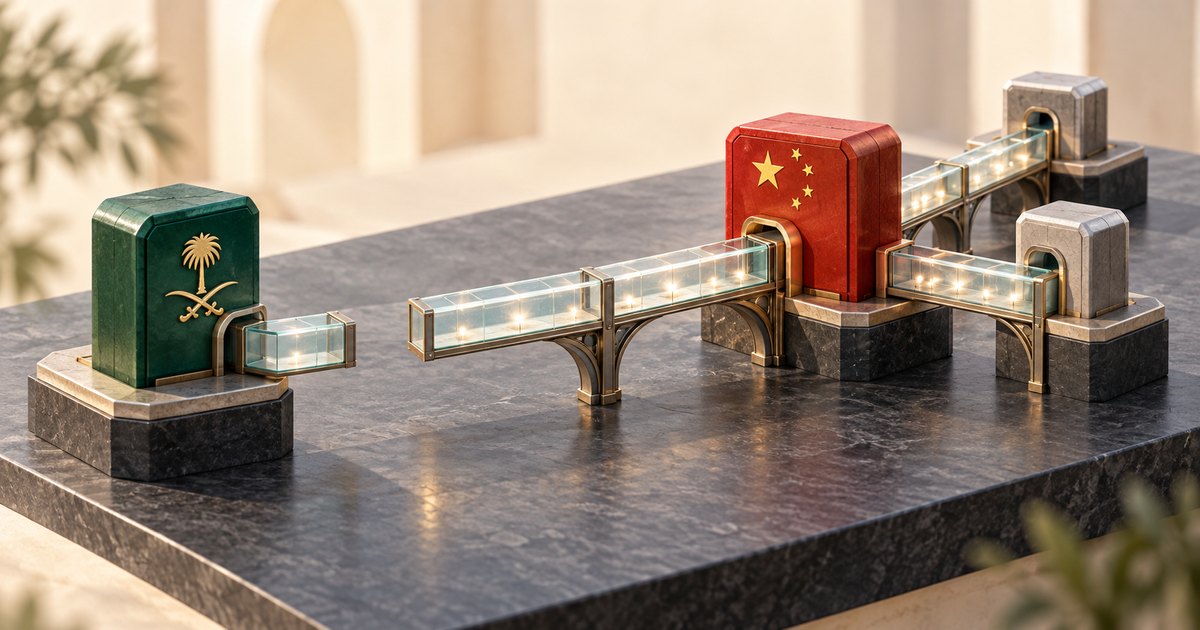
SAMA joined mBridge as an observing member in 2023, upgraded to full participant status in June 2024, and wrapped up its exploratory work less than a year later. SAMA has characterized its involvement as always intended to be exploratory rather than operational, framing the withdrawal as planned rather than a reversal of strategy.
The platform itself continues to expand. mBridge processed approximately $55.5 billion in transactions by late 2025, demonstrating significant real-world adoption among active members. The remaining participants include the central banks of China, Hong Kong, Thailand, and the UAE, all of which remain committed to developing the system's infrastructure.
Geopolitical Implications
Saudi Arabia's exit carries weight beyond the numbers. The kingdom's withdrawal removes one of mBridge's most strategically significant members—the world's largest oil exporter. Its participation had raised the possibility that oil settlements might flow through non-dollar digital channels, a prospect that would reshape global energy markets and challenge US dollar dominance.
The kingdom has spent recent years carefully balancing relationships with Washington and Beijing, joining BRICS while maintaining deep defense and energy ties with the US. This withdrawal reflects that delicate positioning. Riyadh appears unwilling to be associated with a platform explicitly designed to create payments infrastructure outside Western sanctions mechanisms.
Institutional Credibility Questions
The platform faces fresh governance challenges. The Bank for International Settlements, which launched the project in 2021 through its Innovation Hub, exited active involvement in October 2024. Without both the BIS and Saudi Arabia's participation, mBridge now confronts increased questions about institutional credibility and international standards compliance—particularly regarding sanctions enforcement.
Saudi Arabia's Vision 2030 framework includes broad goals for modernizing payment systems, suggesting the kingdom will pursue its own digital currency initiatives rather than rely on multilateral platforms with geopolitical complications.
Frequently asked questions
What is mBridge?
mBridge is a China-led cross-border digital payments platform designed to process transactions outside traditional Western infrastructure like SWIFT. It was launched by the Bank for International Settlements in 2021 and includes central banks from China, Hong Kong, Thailand, and the UAE.
Why did Saudi Arabia leave mBridge?
Saudi Arabia withdrew after completing its exploratory phase, characterizing its involvement as always temporary. The kingdom appears reluctant to associate with a platform designed to bypass SWIFT and dollar clearing, reflecting Riyadh's careful balance between Washington and Beijing.
What does Saudi Arabia's exit mean for mBridge?
The withdrawal removes one of mBridge's most strategically significant members. Combined with the Bank for International Settlements' exit in October 2024, mBridge now faces increased questions about institutional credibility and compliance with international sanctions standards.