

Topic: #trade
-
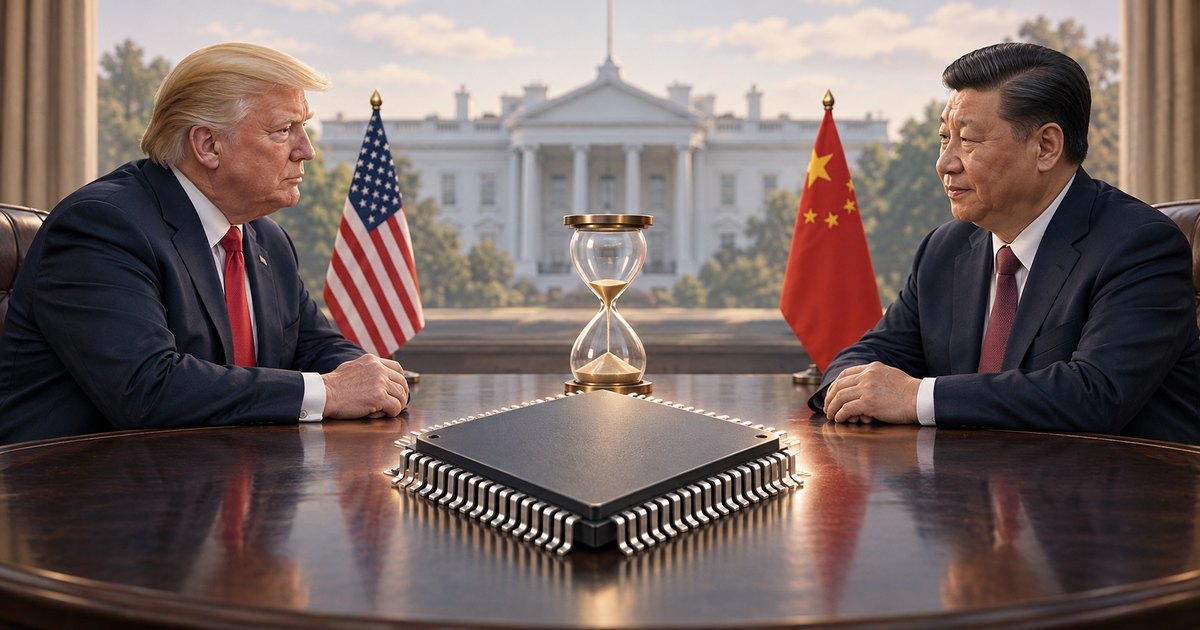
Trump hosts Xi for Washington summit as tariff truce expires
President Trump and Chinese President Xi Jinping meet in Washington on September 23-24, 2026, as a one-year tariff truce negotiated in Busan approaches expiration. The summit's outcome could reshape global trade dynamics and determine the fate of semiconductor export controls affecting major tech firms.
-
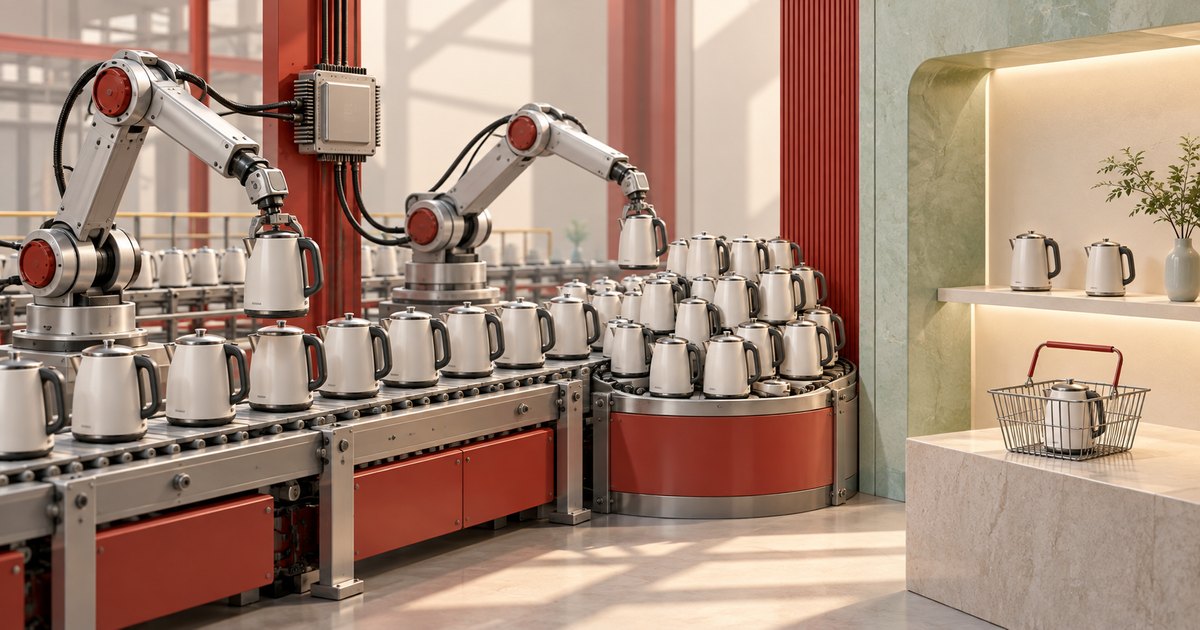
PBOC Adviser Warns AI Could Deepen China's Supply-Demand Imbalance
Huang Yiping, a member of China's central bank monetary policy committee, warned that rapid AI deployment could worsen the structural gap between strong industrial output and weak domestic consumption, calling for fiscal reforms and overseas investment to rebalance the economy.
-
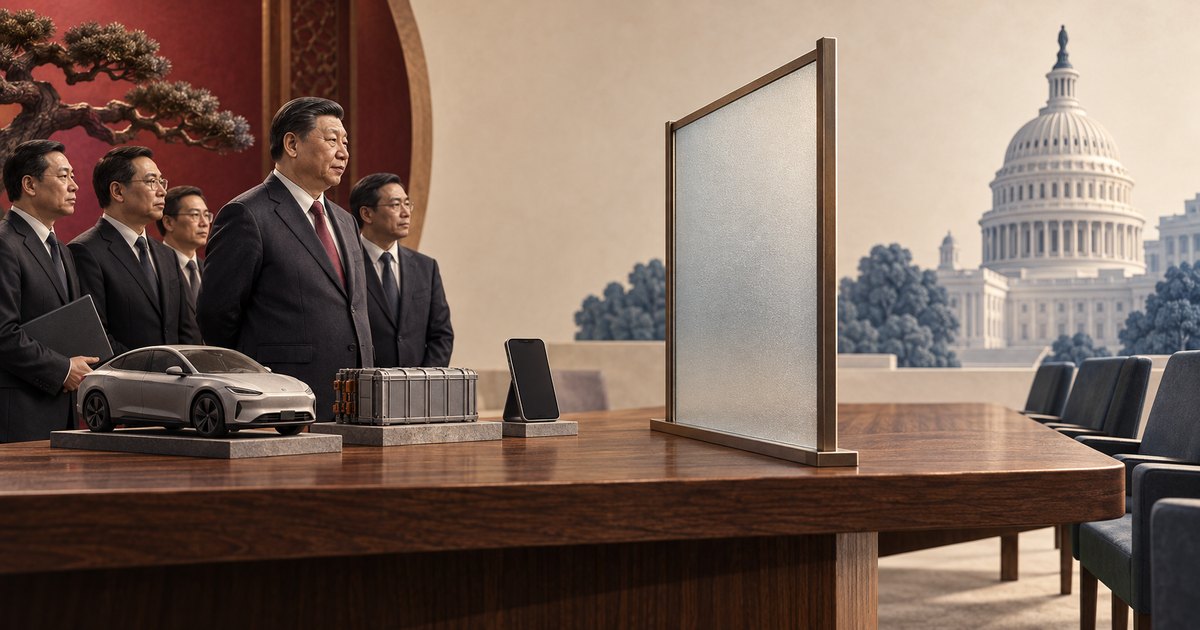
Xi Jinping assembles business delegation for Washington visit, targeting tariff relief
Chinese President Xi Jinping is bringing top executives from BYD, CATL, Xiaomi, and other major firms to Washington in September 2026, seeking better market access and tariff relief for Chinese companies facing regulatory barriers in the US.
-

Singapore's electronics exports surge 131.8% on AI hardware demand
Singapore's non-oil domestic exports jumped 46.2% year-on-year in August 2026, the largest monthly increase since 1988, driven by a 131.8% surge in electronics exports powered by global AI hardware demand.
-

Xi Jinping visits India to reset China-India ties after 2020 clash
Chinese President Xi Jinping visited India in September, his first trip since 2019, to meet with PM Modi and reset bilateral ties fractured by a 2020 military clash. The two leaders are pursuing a managed rivalry aimed at stabilizing competition while expanding trade and cultural exchanges.
-

Trump threatens to ban Canadian firms from US federal contracts
President Trump announced plans to remove Canadian-origin products from US federal procurement on September 9, prompting sharp declines in shares of major Canadian contractors including Bombardier, CGI, and WSP Global.
-
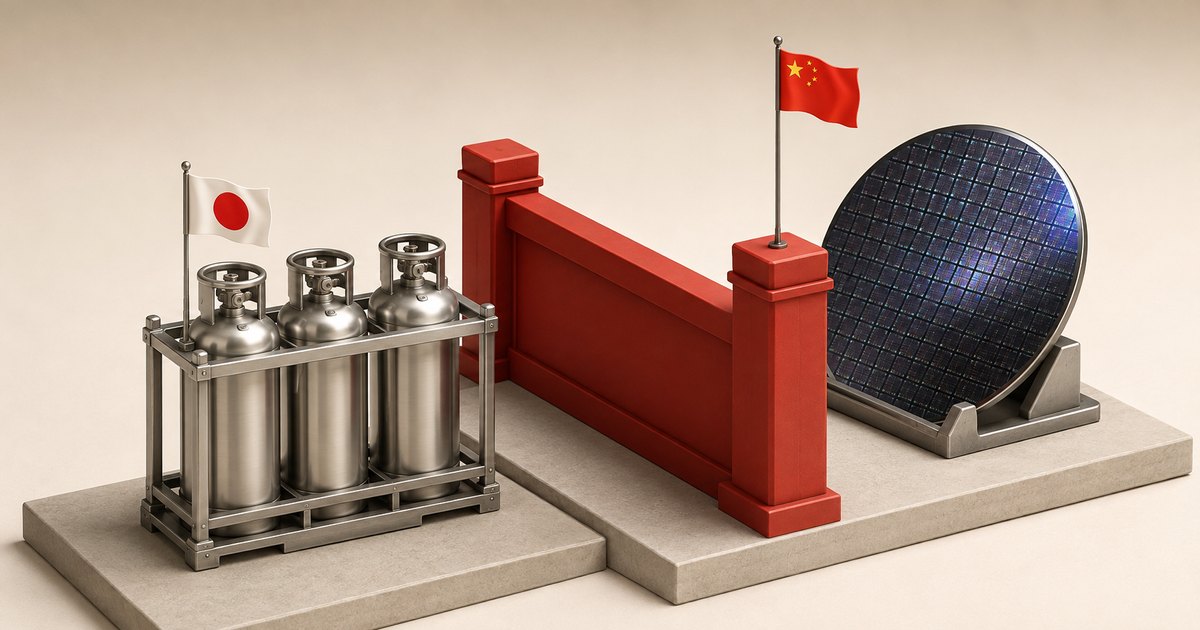
China imposes 99.2% anti-dumping tariffs on Japanese semiconductor chemicals
China's Ministry of Commerce issued preliminary anti-dumping rulings on September 7 targeting Japanese dichlorosilane imports, imposing deposit rates as high as 99.2% and threatening to disrupt semiconductor supply chains as trade tensions escalate.
-
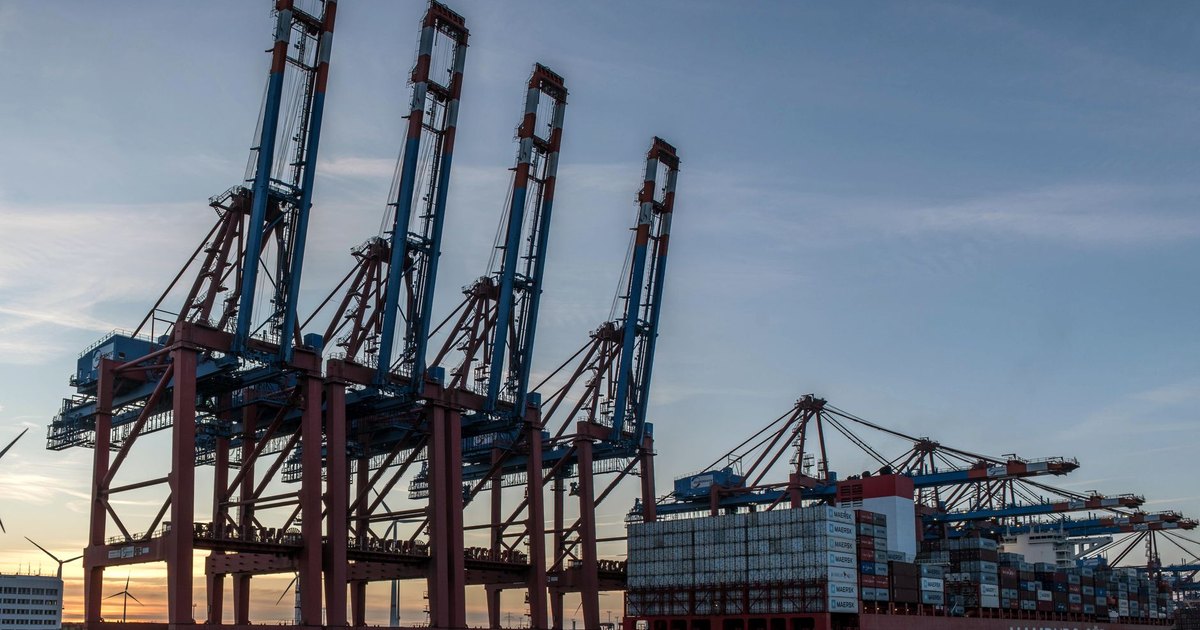
Trump raises tariffs on Chinese goods to 20%, reigniting trade tensions
President Trump has pushed cumulative tariffs on Chinese imports to 20%, marking another escalation in trade policy after a brief November 2025 truce. The move follows a Supreme Court ruling in February that struck down emergency tariff powers, while Chinese exporters continue rerouting shipments to dodge duties.
-

Senate passes bipartisan bill for 100% tariffs on Russian energy
A bipartisan group of US senators agreed on legislation that would authorize tariffs as high as 100% on major purchasers of Russian oil and gas, while extending sanctions against Iran through 2031. The bill also aims to close loopholes in Russia's shadow fleet and delayed progress on crypto regulation.
-

US import prices rise 0.3%, Chinese costs hit highest since 2008
US import prices climbed 0.3% in June 2026, but Chinese import costs jumped 0.9%—the largest monthly surge since January 2008—complicating inflation expectations and potentially delaying Fed rate cuts.
-

Maersk raises 2025 profit guidance on European demand surge
A.P. Moller-Maersk lifted its full-year EBITDA forecast to $8-9.5 billion, citing strong container demand outside North America, but cautioned that a wave of new vessel deliveries will depress earnings significantly in 2026.
-

G7 Caps Rare Earth Imports at 60% Per Country by 2030
G7 leaders meeting in France committed to diversifying rare earth supply chains away from China, capping any single country's share of imports below 60% by 2030 with an aspirational 50% target, and launching a new critical minerals alliance with the International Energy Agency.
-

TSMC's $250B US investment shields Taiwan's chip dominance from geopolitical risk
Taiwan Semiconductor Manufacturing is funneling $250 billion into US chip production under a January 2026 trade deal while keeping its most advanced 2nm nodes at home, strengthening deterrence against military disruption and deepening Taiwan's economic ties with Washington.