PBOC Adviser Warns AI Could Deepen China's Supply-Demand Imbalance
In brief
- Huang Yiping, PBOC monetary policy committee member, flagged AI as a risk to China's economic stability
- PBOC identified 'strong supply, weak demand' as a defining economic problem in August 2026
- Huang called for increased government borrowing, market reforms, and deeper overseas investment
The Supply-Demand Problem
China's economy has a well-documented problem: factories produce more than its own citizens buy. This structural mismatch has persisted for years, forcing manufacturers to rely on export markets to absorb excess capacity. The People's Bank of China's August 2026 quarterly meeting explicitly identified "strong supply, weak demand" as a defining characteristic of the current economic environment.
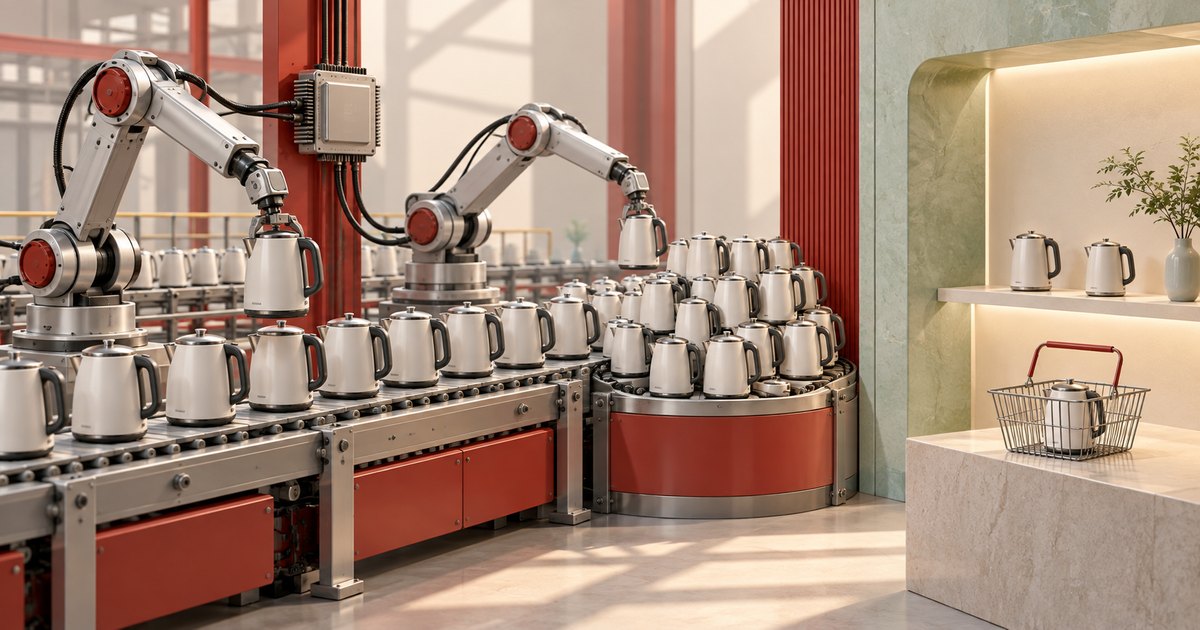
Huang's concern is that AI-driven productivity gains could sharpen this divide. If factories automate and boost output without corresponding increases in domestic consumption, the imbalance widens. That forces China deeper into export dependence at a moment when global trade tensions are rising.
PBOC's Policy Pivot
The central bank has already signaled a shift in response. The PBOC pledged to adopt a more accommodative monetary policy aimed at bolstering consumption and reducing structural divergences. But Huang argues monetary policy alone won't fix the problem.
He called for three structural reforms. First, increased central government borrowing to help repair the balance sheets of local governments and corporations. Second, deeper overseas investments and market-oriented reforms to improve resource allocation efficiency. Third, a genuine shift away from export-led growth.
That last point matters globally. The United States and other major trading partners have been pressing China to move away from its export-reliant growth model for years. Huang's warnings suggest Beijing's own policymakers now see the model as unsustainable, especially as AI reshapes industrial capacity.
The challenge is execution. Rebalancing an economy of China's scale requires not just fiscal stimulus but deep structural change—shifting investment from manufacturing to services, boosting household income and social safety nets, and allowing market forces to reallocate capital. Those reforms are politically complex and economically risky in the near term.