China imposes 99.2% anti-dumping tariffs on Japanese semiconductor chemicals
In brief
- China's Ministry of Commerce found Japanese dichlorosilane dumped at artificially low prices, effective September 8
- Shin-Etsu Chemical faces 99.2% deposit rate; other Japanese exporters hit with 80.8% rates
- Move reflects Beijing's push for semiconductor self-sufficiency amid US-led export controls
- Final determination expected January 7, 2027, with potential six-month extension
The ruling and its targets
China's Ministry of Commerce found that Japanese-origin dichlorosilane had been dumped into the Chinese market at artificially low prices. The preliminary ruling, issued September 7, sets deposit rates that importers must pay in cash before bringing the material into China.
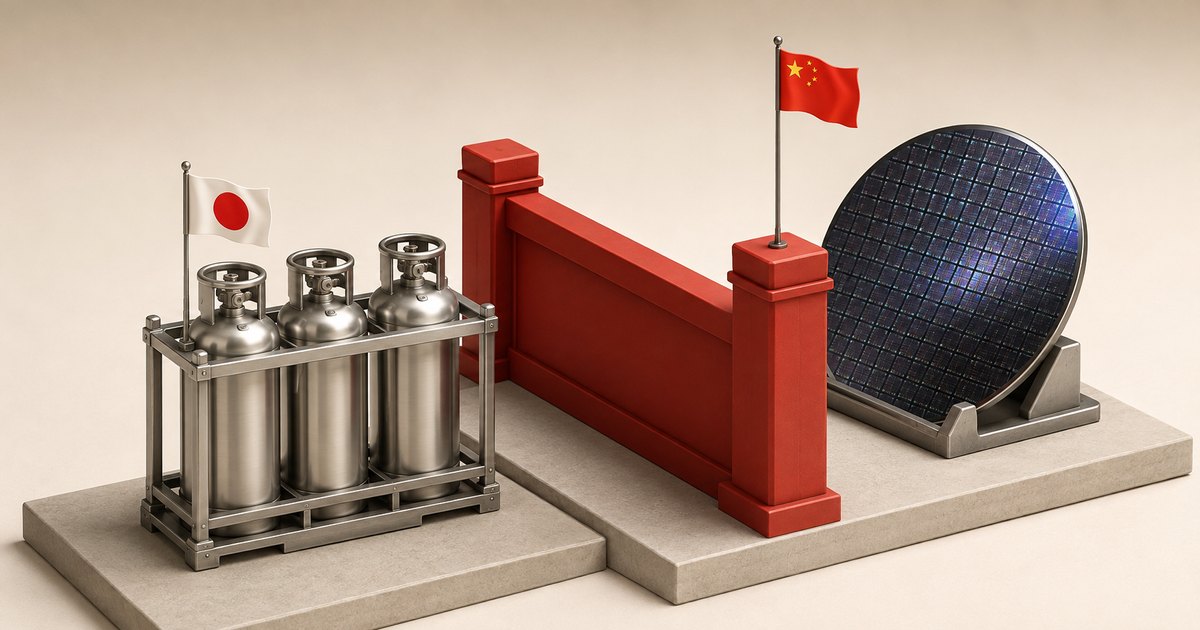
Shin-Etsu Chemical, one of Japan's largest chemical producers, drew the steepest anti-dumping rate at 99.2%. Denal Silane received a rate of 80.8%. These deposit requirements make the economics of exporting to China prohibitive for Japanese suppliers.
The measures take effect September 8, requiring importers to pay cash deposits before bringing in the material. At a 99.2% rate, companies would need to post nearly dollar-for-dollar cash collateral on the material's value—a barrier that effectively closes the Chinese market.
What triggered the investigation
The anti-dumping investigation was initiated on January 7, 2026, following an application filed on December 8, 2025 by Tangshan Sanfu Electronic Materials Co., a domestic DCS producer. Chinese authorities examined Japanese import data covering the period from July 1, 2024 through June 30, 2025 and found rising import volumes paired with a cumulative 31% price decline between 2022 and 2024.
Dichlorosilane is a compound used in chemical vapor deposition, a process essential to manufacturing semiconductors at virtually every level of complexity. Protecting domestic producers of this material supports Beijing's broader push to build domestic semiconductor capacity.
Semiconductor self-sufficiency and trade tensions
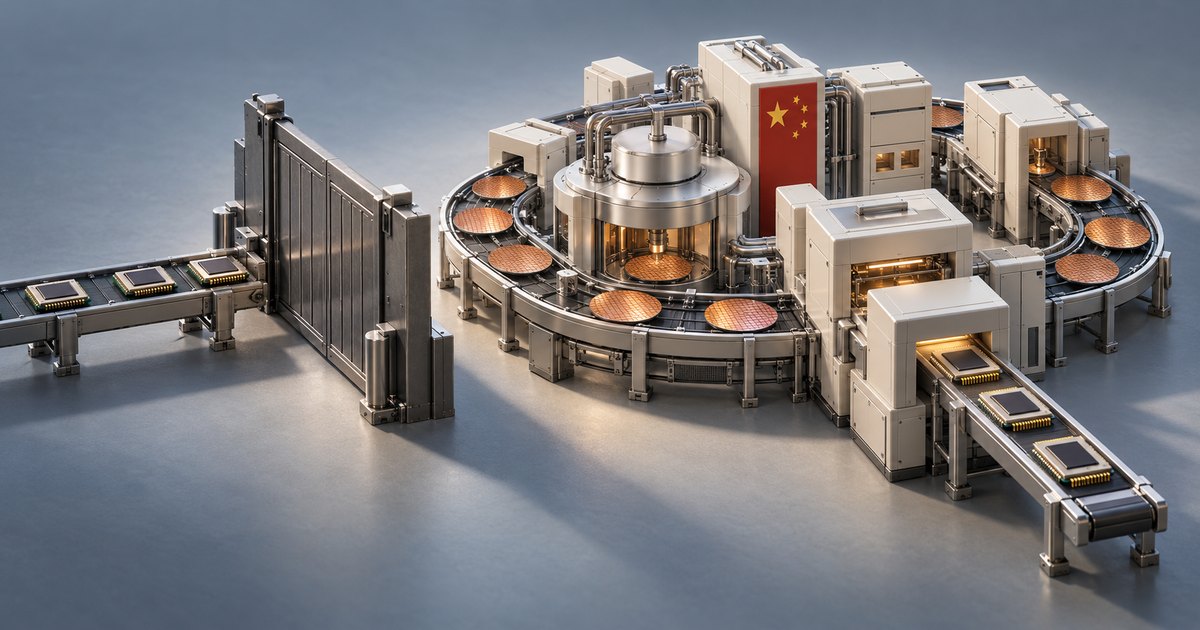
China has been pursuing semiconductor self-sufficiency driven partly by US-led export controls that have restricted Chinese access to advanced chipmaking equipment and technology. Japan joined US and Netherlands restrictions, aligning to limit exports of cutting-edge lithography and other semiconductor tools to China.
The anti-dumping measures represent a countermove in this escalating trade friction. By raising the cost of imported dichlorosilane, China aims to nurture domestic suppliers and reduce reliance on Japanese chemical producers.
The final determination on the anti-dumping measures is expected by January 7, 2027, with a potential six-month extension built into the timeline. Until then, the preliminary deposit rates remain in force, blocking Japanese exports at effective tariff rates that make shipments uneconomical.