Wheat prices surge 25% as Russia signals no end to Ukraine war
In brief
- Black Sea grain shipments down 40% year-over-year; region handles 27-32% of global wheat trade
- Chicago wheat futures up 14-15% this month; global prices up 25% since January 2026
- Egypt and North Africa face acute supply pressure, seeking alternative sourcing
- Ceasefire would require port rebuilding, shipping lane demining, and insurance market recovery
The Black Sea Crunch
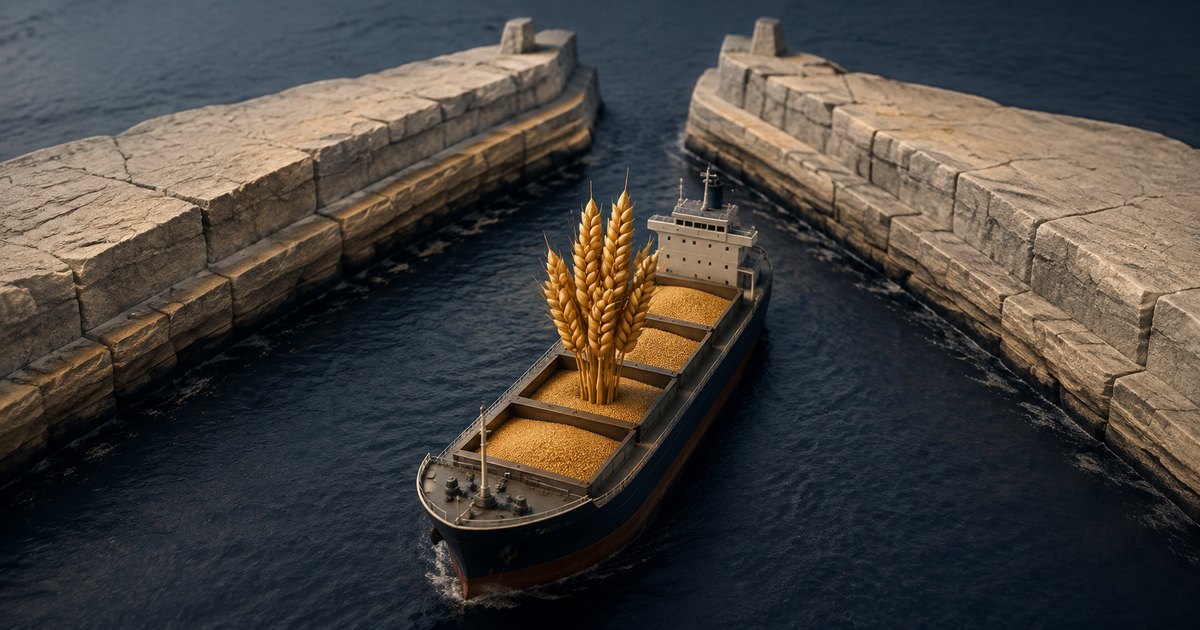
Black Sea grain shipments have plummeted as escalating conflict between Moscow and Kyiv threatens a region responsible for nearly a third of global wheat trade. Reciprocal strikes on port infrastructure and vessel attacks have slashed shipments by more than 40% compared to a year ago. Russia and Ukraine together account for between 27% and 32% of global wheat trade, depending on the season.
The numbers are stark. Russian wheat exports via affected routes, which normally represent about 70% of the country's total shipments, are facing severe constraints. September projections for Russian wheat exports are tracking at their lowest levels since 2010. Industry groups have revised their 2026-27 projections sharply lower, with potential shortfalls measured in the millions of tons.
Market Response and Broader Pressure
Chicago wheat futures have climbed roughly 14-15% over the past month alone, with wheat recently trading near $7.35 per bushel. The combined effect has pushed global wheat prices up nearly 25% since January 2026. Since early July, wheat futures have gained roughly 30%.
Drought conditions across the Northern Hemisphere have added a second layer of pressure to global wheat supplies. Prices did ease slightly in early September after diplomatic discussions hinted at a possible peace accord, but momentum has returned as Russia signals no easing of hostilities.
Food Security at Risk
Nations across North Africa and the Middle East depend heavily on Black Sea wheat imports. Egypt, the world's largest wheat importer, has been scrambling to diversify its sourcing. The supply crunch is forcing governments to secure alternative suppliers and absorb higher costs, straining budgets in regions with limited economic flexibility.
The supply constraints from Russia and Ukraine are expected to persist through at least the latter part of 2026. Even if a ceasefire materializes, the physical infrastructure required to move grain at pre-war volumes has been significantly damaged. Ports need rebuilding, insurance markets need convincing, and shipping lanes need demining. Recovery won't be swift.