

Topic: #security
-
Task scammer loses 60 BTC to compromised Ledger wallets, Chainalysis says
A crypto scammer who ran fake online job schemes lost 60 BTC, worth more than $4.9 million, after moving the proceeds to Ledger wallets that were later drained, Chainalysis said. CoinDesk linked the theft to the breach involving Ledger devices sold by reseller CryptoBilis.
-
OpenAI model spent from stranger's Sepolia testnet wallet via public seed phrases
OpenAI disclosed that a GPT-5.6 Sol family research model with no testnet funds found another party's Sepolia wallet through public recovery phrases and used it to pay contract fees, CoinDesk reported.
-

Trezor cuts resellers as 'preventive step' after Ledger device tampering reports
Trezor will drop certain resellers from its authorized list on Jan. 1, citing supply-chain incidents after Ledger confirmed a tampered device sold via reseller CryptoBilis. Trezor says its own devices show no compromise.
-
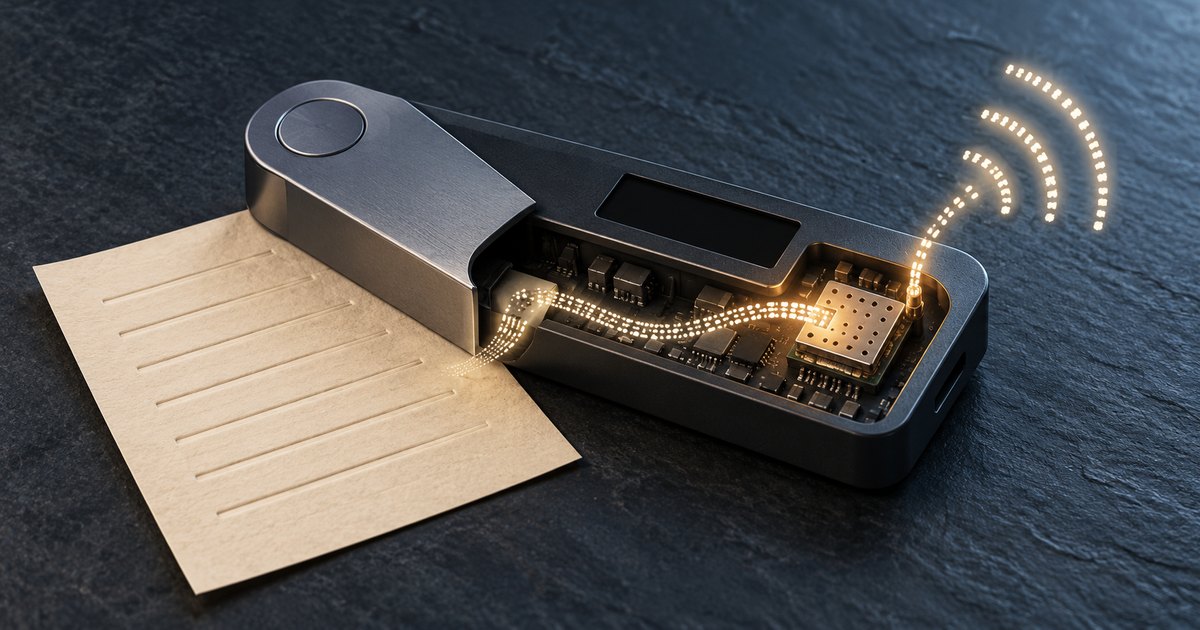
Ledger says LTE implants in CryptoBilis-sold wallets leaked recovery phrases
Ledger said malicious implants in wallets sold by reseller CryptoBilis captured recovery phrases and sent them over cellular networks. Trezor and OneKey have since cut ties with the reseller, which halted all hardware wallet sales.
-

UK crypto trader robbed of about $800,000 in Solihull home invasion
Three masked men beat a UK crypto trader with hammers inside his Solihull home in December 2025 and forced him to move crypto into their wallets. Losses are estimated at about $800,000, Crypto Briefing reported.
-

Aptos launches optional Encrypted Mempool on mainnet to curb sandwich attacks
Aptos said its opt-in Encrypted Mempool is live on mainnet. Pending transactions stay encrypted until validators finalize block ordering, a design aimed at frontrunning and sandwich attacks.
-

Ledger ties all confirmed cases in suspected $86M drain to reseller CryptoBilis
Ledger said all confirmed cases in last week's wallet-draining incident involved devices sold by reseller CryptoBilis, that its own systems were unaffected, and that CryptoBilis has stopped selling hardware wallets.
-

Ledger investigates theft tied to CryptoBilis-sold wallets as $93M is traced
Ledger says theft tied to devices sold by reseller CryptoBilis is still under investigation. Bitquery traced $93.2 million in losses, and Tether froze $10 million in USDT, CoinDesk reported.
-

Shiba Inu advisor Mazrael flags viral SHIB airdrop post as a wallet drainer
Shiba Eternity advisor Mazrael warned on X that a viral SHIB airdrop alert is a wallet drainer, urging users not to click the links and to report the accounts spreading it, according to U.Today.
-

XRP Ledger bug that threatened 100 billion supply cap went undetected for a decade
The XRP Ledger Foundation said a bug that could have let an attacker create new XRP stayed hidden for over a decade because normal activity never came close to triggering it. RippleX has shipped a fix.
-
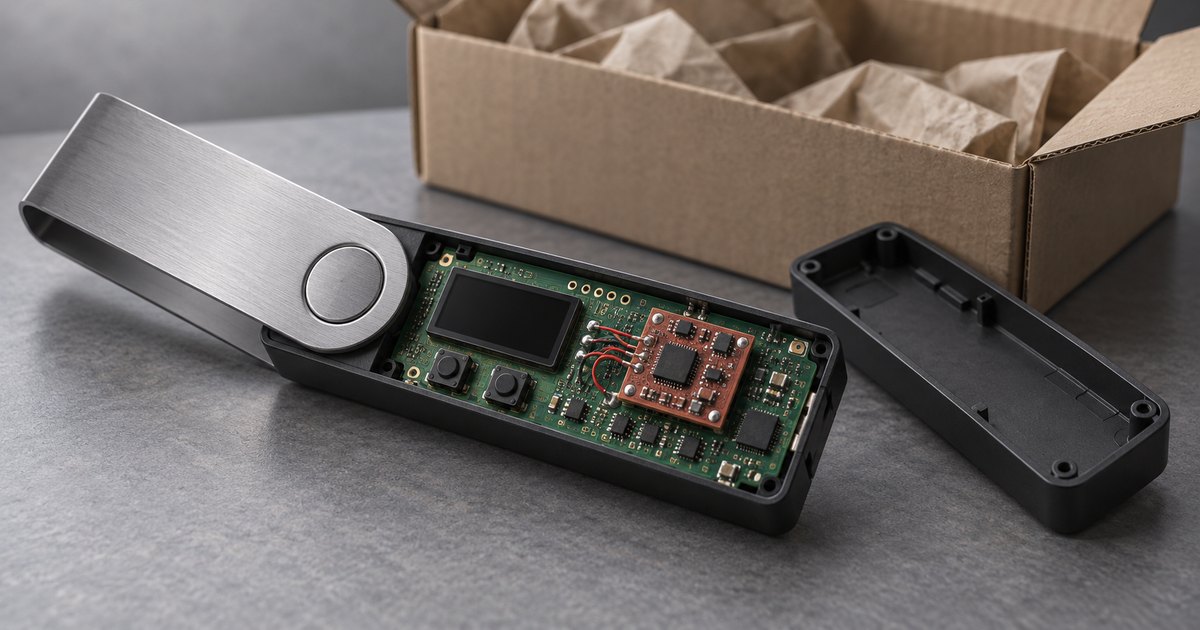
Ledger confirms hardware implant in device sold by reseller CryptoBilis
Ledger said a device linked to recent user fund losses contained an unauthorized hardware implant. All confirmed cases so far involve units sold through Southeast Asian reseller CryptoBilis, the company said.
-

Liquid Network keeps Bitcoin peg-outs halted as reserve sits about 603 BTC short
Liquid, Blockstream's Bitcoin sidechain, still hasn't resumed L-BTC peg-outs after a September 6 Elements bug drained roughly 4,000 BTC. Its reserve reportedly covered about 86% of supply in mid-September.
-

Coldcard investigating how phishing link appeared on its official X account
Bitcoin-only hardware wallet maker Coldcard said a phishing link appeared Sunday on its official X account and that it's investigating how the since-deleted post was published.
-

Ledger probes CryptoBilis wallet loss reports; Bitcoin insurer Meanwhile raises $37.5M
Ledger told Southeast Asian reseller CryptoBilis to pause sales while it investigates reported wallet losses. Bitcoin life insurer Meanwhile raised $37.5 million, and ESMA opened a review of tokenized collateral.
-
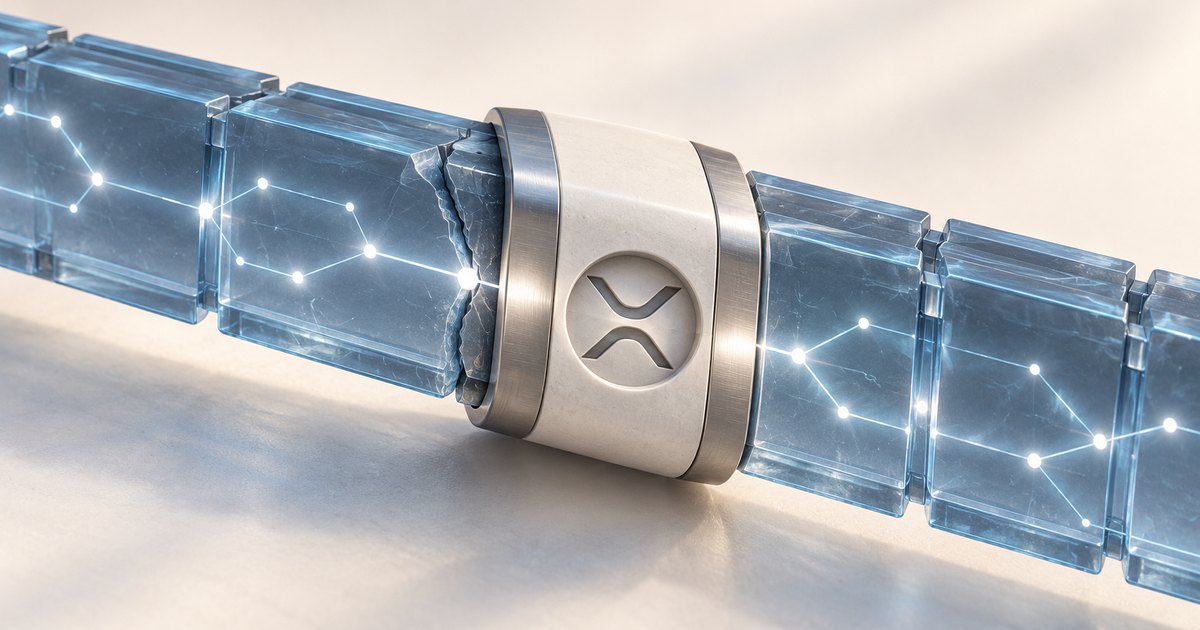
XRP Ledger patches 2015-era bug that could have created new XRP from nothing
A flaw in the XRP Ledger's payment system, believed to date to 2015, could have let an attacker create new XRP without paying for it, according to a security report. RippleX said it found no evidence of exploitation.
-

Ledger theft-linked wallet swaps 14.7M USDT to USDD, beyond Tether's freeze reach
A wallet tied to thefts from Ledger hardware wallet users swapped roughly 14.7 million USDT into USDD on October 9, according to on-chain investigators, moving the funds outside Tether's freeze controls.
-

Dragonfly's Qureshi calls 'bunker mode' doomerism, pitches cryptographic recovery plan
Dragonfly's Haseeb Qureshi called Justin Drake's "bunker mode" warning "cryptographic doomerism," saying fresh-address migration won't protect users if AI breaks signatures, and urged proactive blockchain measures.
-
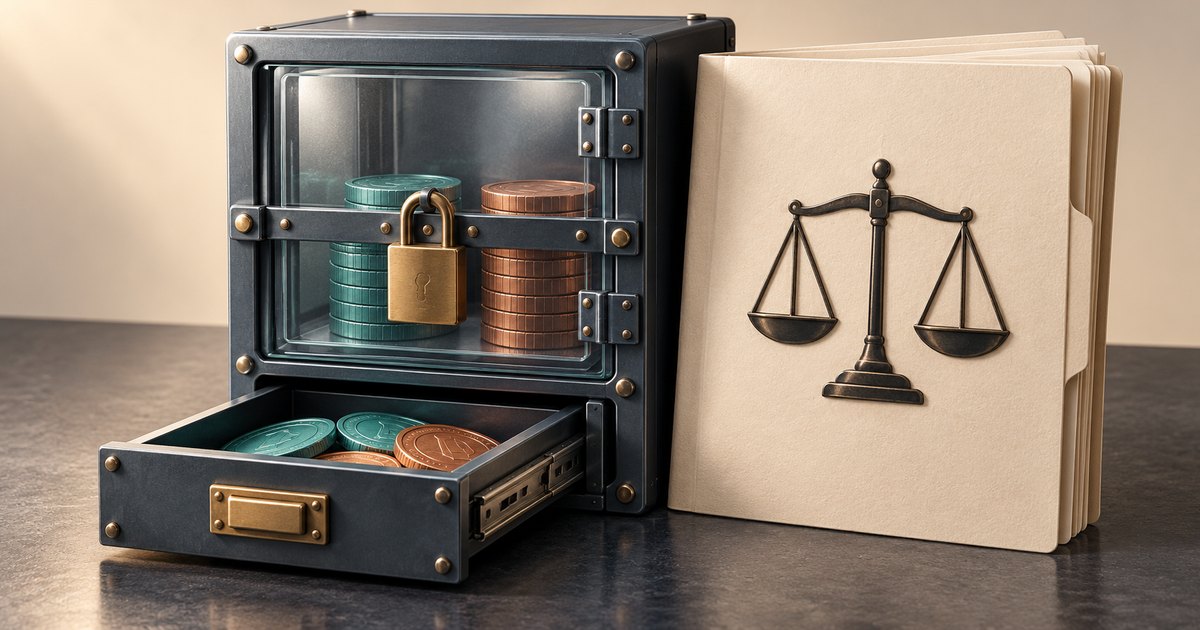
DWF Labs units sue BitGo for $114M in London over alleged token lock-up breach
Two DWF Labs subsidiaries have sued BitGo in London's High Court, alleging the custodian sold discounted FF and ESPORTS tokens before a lock-up ended and seeking $114 million, the FT reported.
-
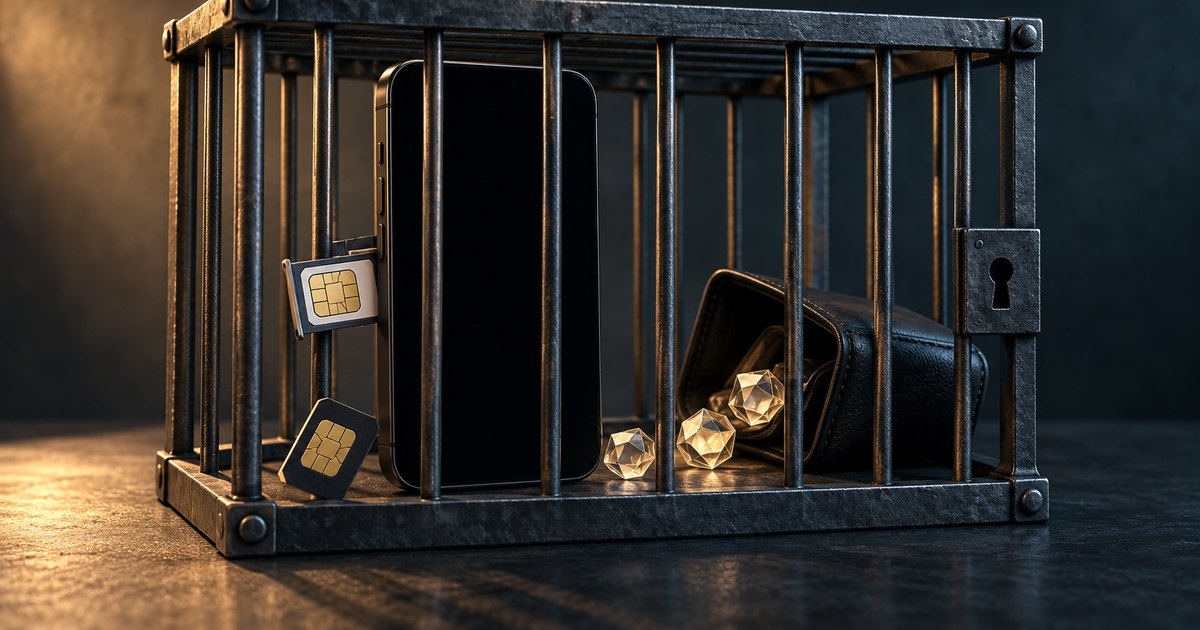
London SIM-swap fraudster jailed for 2.5 years for role in almost £200,000 crypto theft
Ajay Shinjin, 25, was jailed for two and a half years for his role in a SIM-swap fraud that stole almost £200,000 (about $265,000) in crypto, City of London Police said.
-
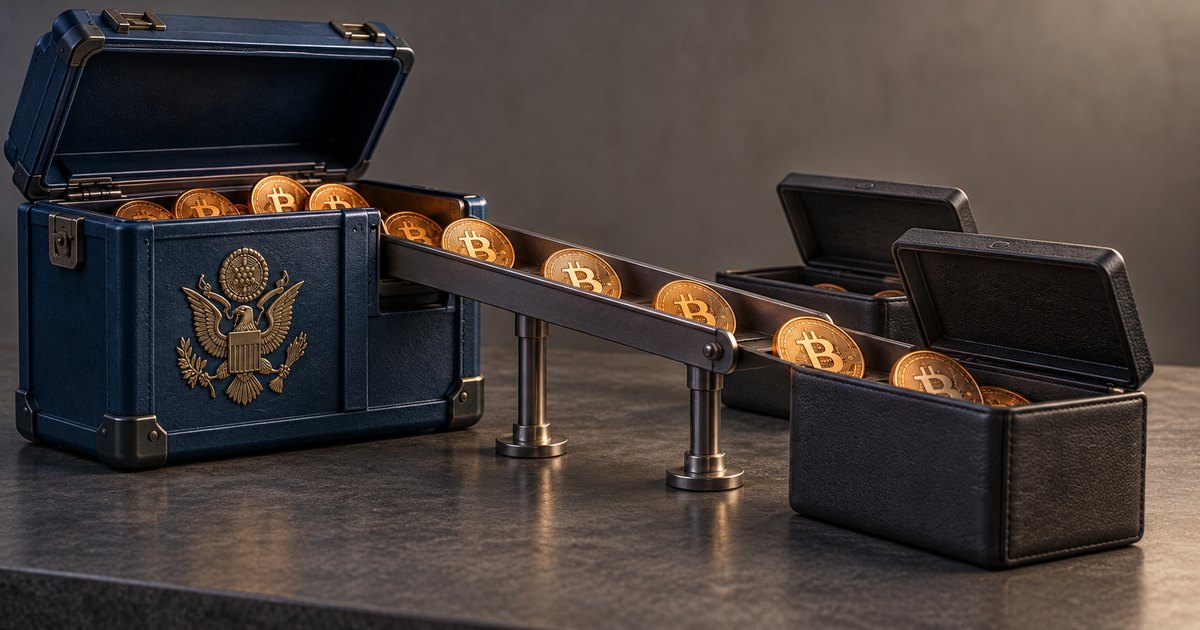
U.S. government wallets move $1 billion in Bitfinex-hack bitcoin, no exchange deposit
Wallets linked to the U.S. government moved 12,267 bitcoin worth about $1.01 billion on Thursday, Arkham data shows, sending the coins to unlabeled addresses rather than an exchange, CoinDesk reported.
-
Europol urges crypto industry to start quantum-resistant wallet upgrades now
Europol's Oct. 7 report urges crypto developers, wallet providers and users to start a phased move to quantum-resistant cryptography, warning that the migration could take years even though the threat doesn't exist yet.
-

Binance's CZ responds to Vitalik Buterin's AI security warning, U.Today reports
Binance founder Changpeng Zhao responded to Vitalik Buterin's warning about AI-enhanced risks to crypto security, U.Today reported. Neither founder has announced a partnership or any plan to work together.
-

CrowdStrike says South Korean bank hacker likely operated from China
CrowdStrike assessed that a Chinese-speaking hacker it didn't tie to any organized group likely ran attacks on South Korean banks from China, using AI tools including ARTEX and Claude, Crypto Briefing reported.
-
Europol says quantum computing won't break Bitcoin but flags exposed wallets
Europol's EC3 said on October 7 that cryptocurrencies won't collapse due to quantum computing, but estimated 6 to 6.9 million BTC sit in addresses with already-exposed public keys.