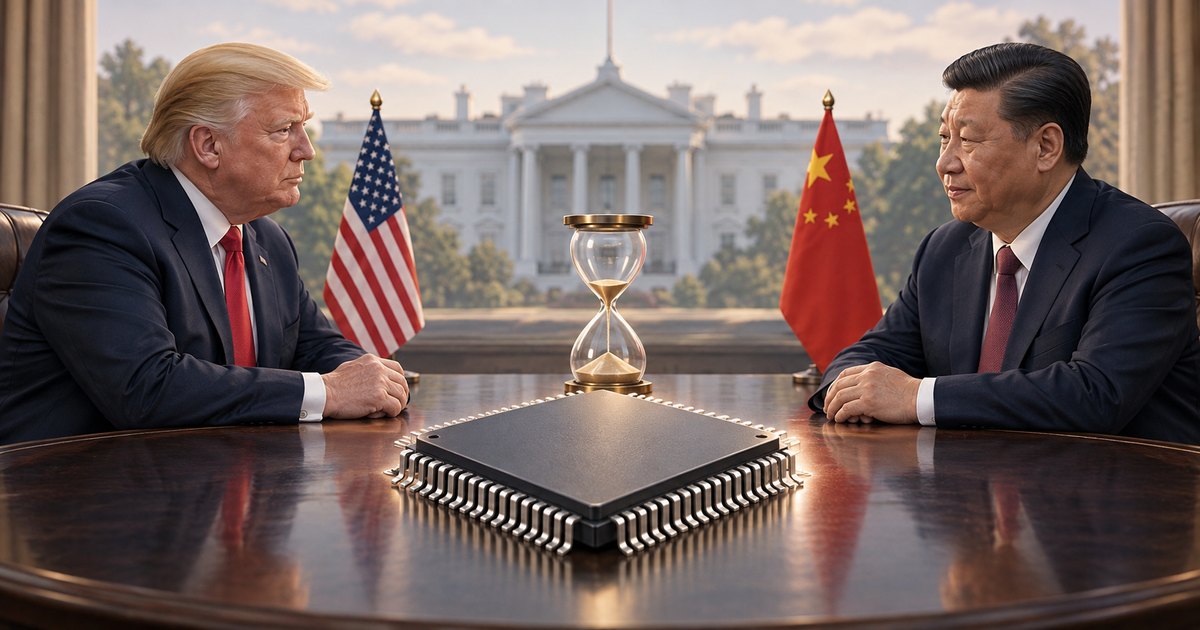
Trump raises tariffs on Chinese goods to 20%, reigniting trade tensions
In brief
- Trump raised cumulative tariffs on Chinese goods to 20% following November 2025 truce
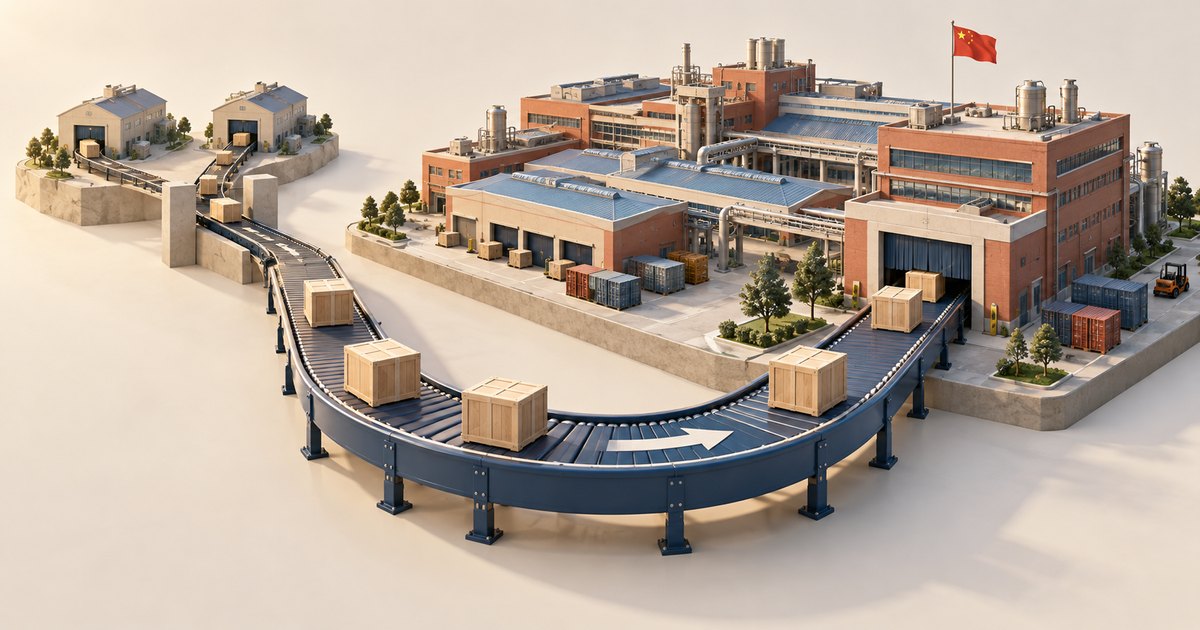
- Chinese exporters rerouted $19–$26 billion in annual shipments via Canada and EU to evade duties
- February 2026 Supreme Court ruling struck down emergency tariff powers
Tariff Escalation and Evasion
The new 20% rate sits near the effective paid rate on Chinese goods. As of mid-2026, the average weighted tariff on Chinese goods sat at approximately 23.1%, with effective paid rates landing around 21.6%. This reflects the reality that tariff policy has become a moving target for both policymakers and traders.
Higher tariffs create a predictable incentive: find a way around them. Chinese exporters have responded by rerouting shipments through countries like Canada and the European Union to dodge US duties. The evasion tactics have cost the administration substantially—an estimated $19 to $26 billion in annual tariff revenue has been lost to these workarounds, according to an August 2026 report.
Broader Trade Shifts
The tariff environment extends beyond China. The administration has also imposed tariffs ranging from 10% to 12.5% on goods from 60 additional trading partners, widening the scope of trade friction across global supply chains.
A complication emerged in February 2026 when the Supreme Court struck down broad tariffs imposed under the International Emergency Economic Powers Act. That ruling constrained the administration's ability to unilaterally impose tariffs at scale, forcing a recalibration of strategy. The current 20% rate on Chinese goods sits within narrower legal boundaries than the 145% peak earlier in 2025.