Brent crude surges 5.8% to $114.44 as Middle East tensions roil markets

In brief
- Brent crude surged 5.8% to $114.44/barrel following renewed Middle East military escalations in May 2026
- S&P 500 fell 0.4% and Dow Jones dropped 500+ points amid geopolitical tensions
- Bitcoin traded near $66,000 with muted safe-haven response versus traditional flight-to-safety assets
- Strait of Hormuz handles ~20% of global oil shipments, amplifying supply-chain risk
Equities and Energy in Turmoil
The S&P 500 fell 0.4% and the Dow Jones Industrial Average dropped over 500 points in sessions following the latest hostilities. The selloff reflects investor anxiety about the geopolitical backdrop — a fragile ceasefire established in early April 2026 had briefly calmed markets, but renewed threats and military actions have upended that temporary relief.
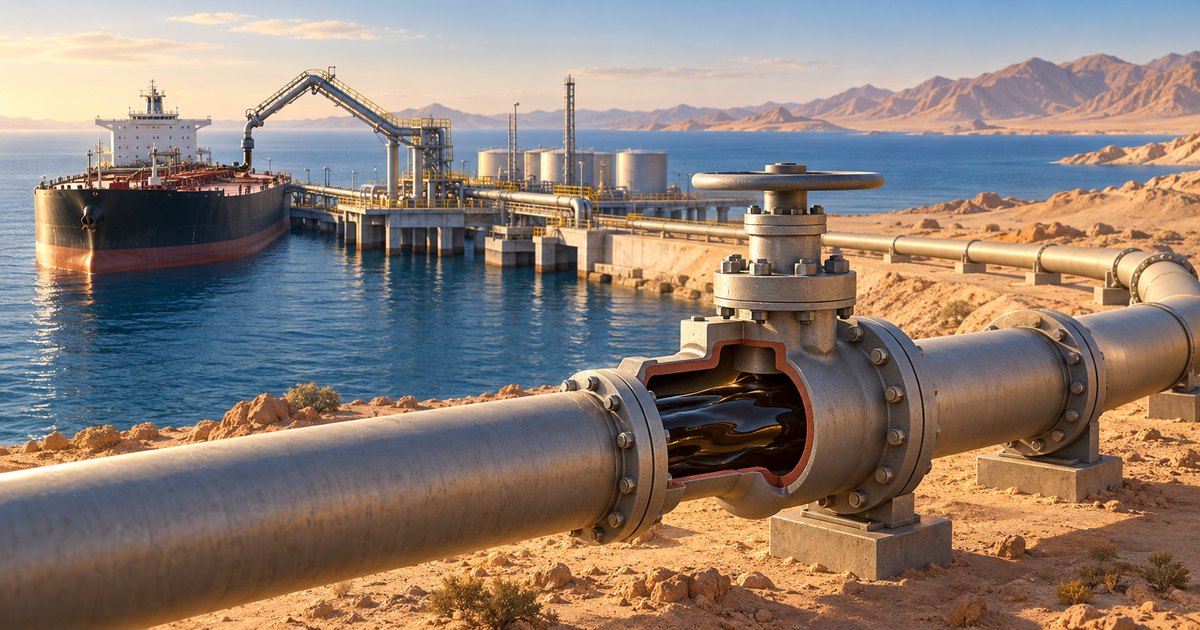
Energy markets bore the brunt of the volatility. Roughly 20% of global oil shipments pass through the Strait of Hormuz, making that narrow waterway a critical chokepoint. Any disruption to flows through the strait translates directly into crude price spikes and broader supply-chain pressure.
The Crypto Crosswind
Bitcoin's response was ambiguous. Bitcoin, trading near $66,000, found itself caught somewhere between safe haven narrative and risk asset reality. The asset showed resilience by not declining as sharply as equities but didn't rally as a true flight-to-safety play either.
What's notable is the tightening link between traditional energy markets and crypto trading venues. Oil futures on the decentralized exchange Hyperliquid surged over 5% in parallel with traditional markets, suggesting that crypto-native traders now have direct exposure to commodity volatility. Crypto-native traders actively trading oil derivatives on platforms like Hyperliquid can transmit energy market volatility directly into DeFi ecosystems.
Supply and Inflation Pressures
Investor concerns center on supply chain risks and inflationary pressures from higher energy costs. Energy shocks don't stay confined to the oil sector — they ripple through manufacturing, transportation, and food production. For investors holding equities, crypto, or both, the question isn't whether volatility continues but how long it persists.