Iran IRGC strikes 18 US military sites; crypto sheds $80B
In brief
- IRGC launched two waves of strikes on 18–21 US military sites across Kuwait, Bahrain, and Jordan June 6–10
- Brent crude surged above $91/barrel; Strait of Hormuz handles ~20% of global oil supply
- Crypto markets shed $80 billion, primarily from leveraged liquidations rather than spot selling
- Arab League and GCC condemned attacks; fragile ceasefire remains in place
The strikes and their targets
The IRGC targeted up to 21 locations across three countries. Among the sites hit: the Ali Al Salem air base in Kuwait and the US Fifth Fleet headquarters in Bahrain. The IRGC also struck Jordan's Muwaffaq Salti air base, which houses F-35 fighter jets.
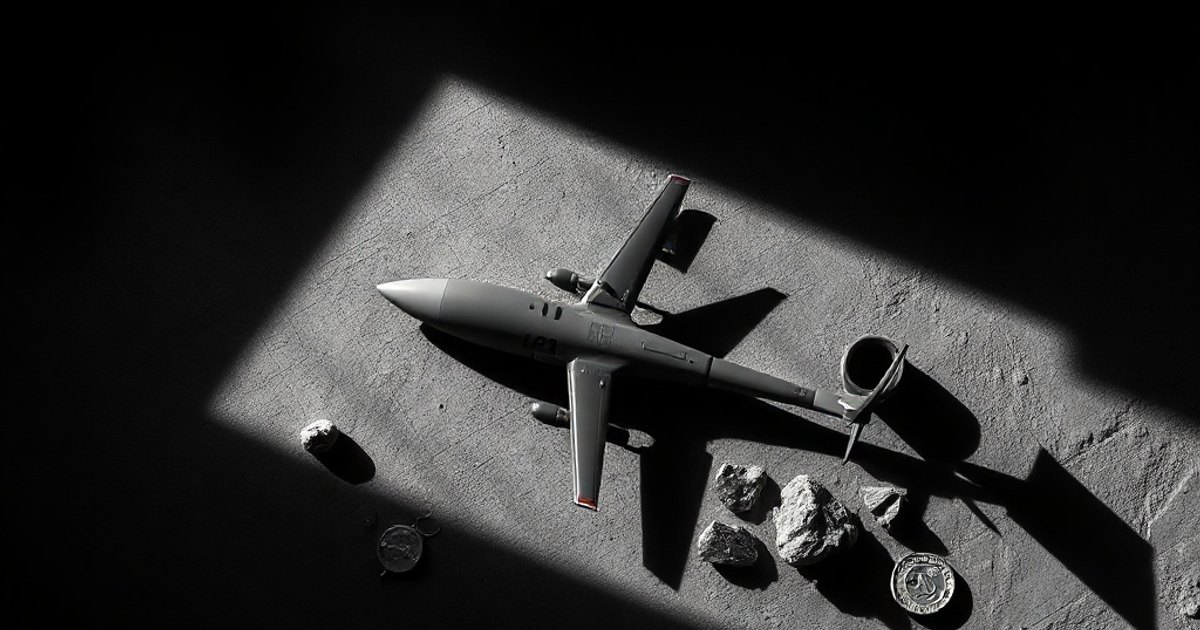
The attacks came in direct retaliation for US drone strikes on Iranian military installations near the Strait of Hormuz. The IRGC framed the campaign as a response to American actions near Sirik, Qeshm, and the broader Strait of Hormuz area. The strikes also followed the downing of a US helicopter.
This escalation builds on earlier phases of the conflict. Prior phases had already seen Iranian attacks on over 20 US or shared military sites across Kuwait and Bahrain.
Oil markets and geopolitical fallout
Brent crude surged above $91 per barrel on the news. That matters because the Strait of Hormuz handles roughly a fifth of global oil supply. If crude stays elevated, that creates inflationary pressure that could delay or reverse any central bank easing cycle.
Both the Arab League and Gulf Cooperation Council condemned the IRGC's actions. Yet condemnations can cut two ways: they could spark mediation efforts that cool things down, or they could harden alliances in ways that make de-escalation harder. A fragile ceasefire exists in the background, suggesting both sides have been willing to pause at various points.
Crypto market reaction
The crypto sector experienced an estimated $80 billion sell-off. But here's the nuance: the actual price reaction in individual digital assets was more muted than that headline number suggests. Some of the discrepancy likely comes from leveraged positions getting liquidated rather than spot selling. In fact, the sell-off may have actually cleared some of the froth from overleveraged positions.
The key risk to monitor is an escalation that disrupts actual oil flow through the Strait of Hormuz. That would push crude higher and likely trigger a more sustained risk-off move across all asset classes.
"The risk scenario to watch is an escalation that disrupts actual oil flow through the Strait of Hormuz." — Crypto Briefing analysis