World Bank caps lending to China at $2 billion through 2031
In brief
- World Bank sets $2 billion lending ceiling to China through 2031, then halts all loans
- US pressure drives shift to redirect development resources toward needier regions
- China transitions from development aid recipient to fifth-largest IDA donor
A Dramatic Reversal
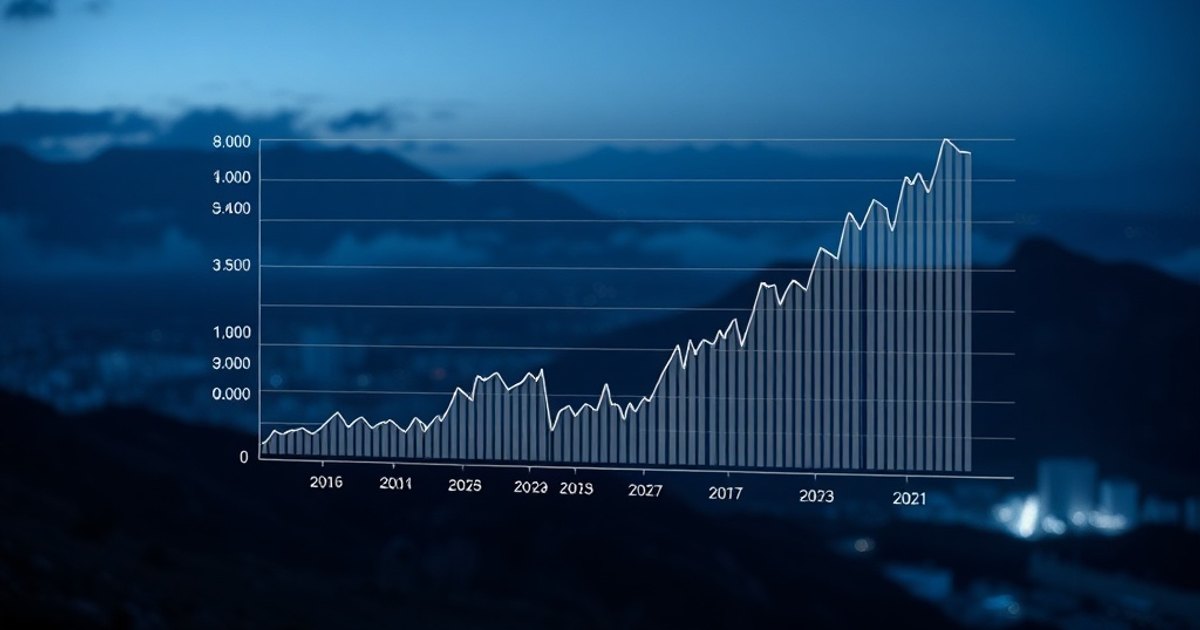
Beijing's relationship with the World Bank has transformed dramatically over two decades. Annual lending commitments peaked at $2.42 billion in 2017, when the institution was funneling billions into Chinese infrastructure annually. By 2025, that figure is projected to fall to just $750 million. The new $2 billion cap covers roughly five and a half years of lending.
This isn't merely a policy adjustment. It's a recognition that China no longer fits the World Bank's original mission.
From Borrower to Lender
China graduated from the International Development Association, the World Bank's fund for the poorest nations, in 2000. The transition accelerated quickly. By 2007, Beijing had flipped from receiving IDA funds to contributing them. Today, the shift is complete: China ranks as the fifth-largest donor to the IDA.
The calculus changed further as Beijing built alternatives. China has established competing development institutions, including the Asian Infrastructure Investment Bank (AIIB) and the New Development Bank (NDB). China's Belt and Road Initiative has channeled hundreds of billions in loans and investments across Asia, Africa, and Latin America.
Pressure from Washington
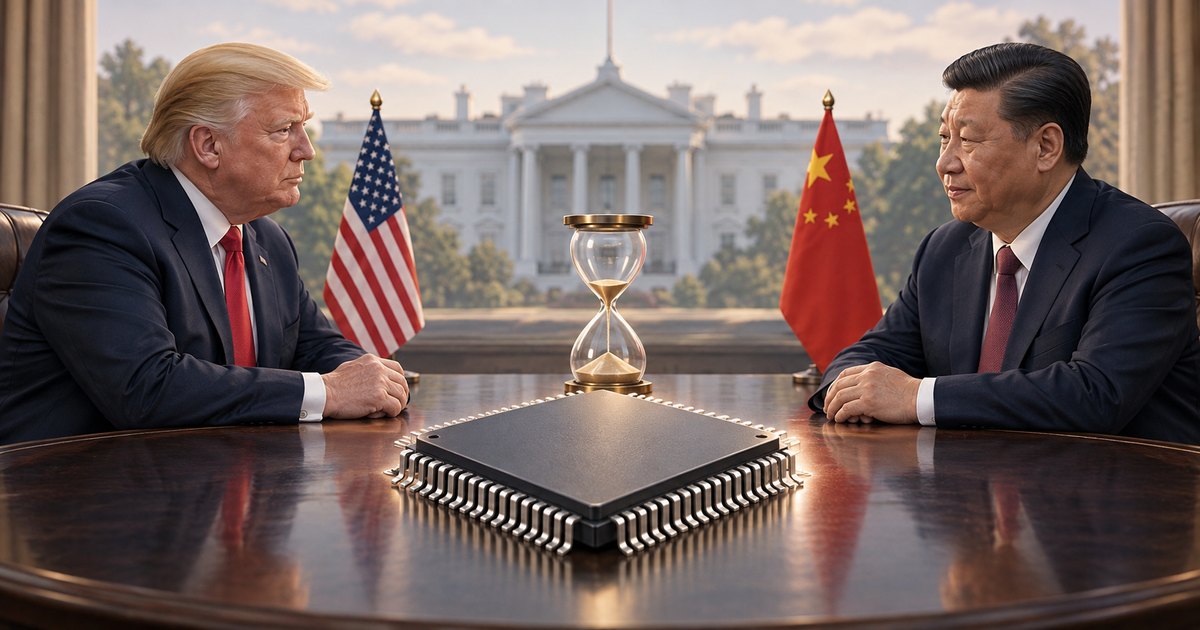
The World Bank's largest shareholder is the United States, and that leverage matters. Washington has repeatedly questioned why an institution it bankrolls continues lending to its primary strategic competitor. The World Bank has faced mounting pressure, particularly from the US and other major shareholders, to redirect resources toward countries that need concessional financing.
The new cap forces a choice. Every dollar allocated to an upper-middle-income economy is capital unavailable for Sub-Saharan Africa or South Asia, where concessional financing remains scarce. The World Bank's pivot toward poorer nations may reshape how development finance flows globally—and where Beijing's capital fills gaps the multilateral system leaves behind.