US-Iran agreement reopens Strait of Hormuz, raises Israeli and Gulf security concerns
In brief
- US and Iran signed 14-point MOU around June 17, 2026, extending ceasefire 60 days
- Strait of Hormuz reopens for toll-free shipping; US naval blockade lifted
- Israel and Gulf states express concerns over potential shift in regional power dynamics
- Deal opens discussions on releasing up to $25 billion in frozen Iranian assets
The agreement's core terms
The US and Iran signed the MOU around June 17, 2026, between Presidents Donald Trump and Masoud Pezeshkian. The accord is performance-based and extends an existing ceasefire by 60 days—a window during which both sides can negotiate deeper terms or walk away. The mutual consent requirement means either side can effectively terminate the arrangement in two months.
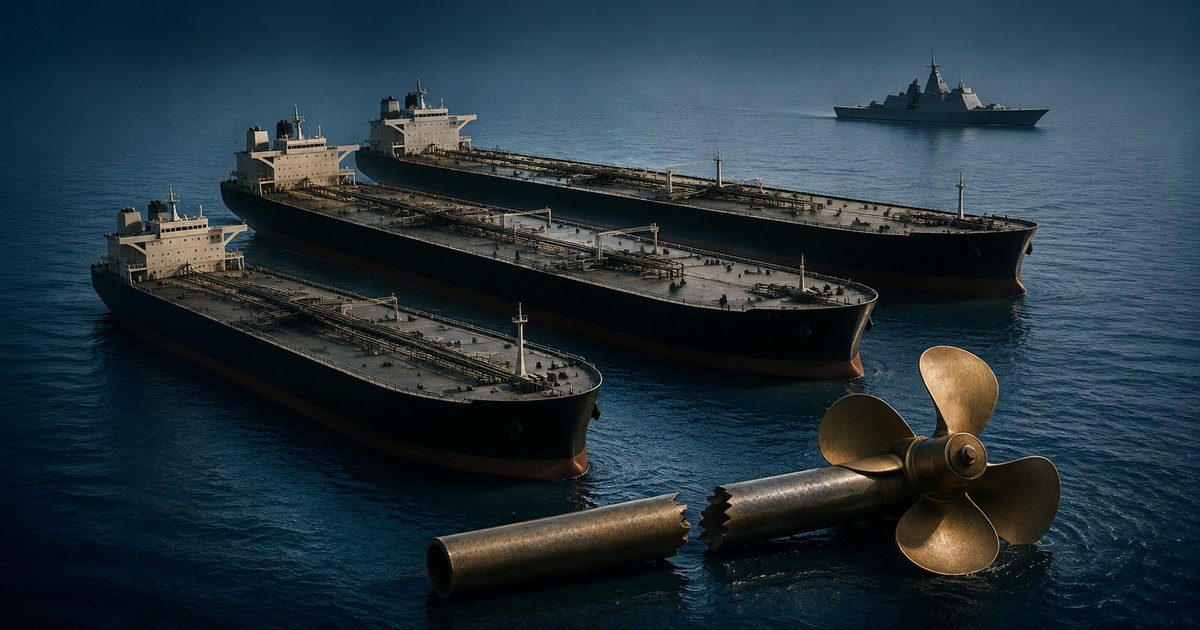
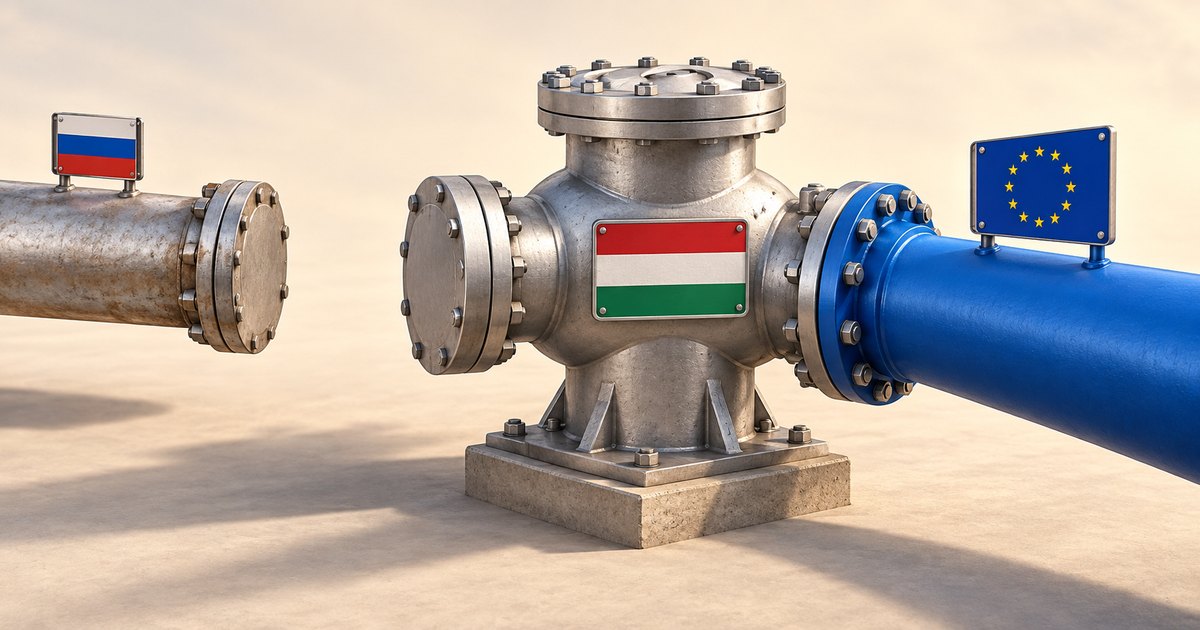
The Strait of Hormuz, the narrow waterway through which roughly a fifth of the world's oil supply passes, is reopening for commercial shipping toll-free. The US naval blockade on Iran is being lifted simultaneously. These moves directly address two of the most significant economic pressures on Iran over the past several years.
Financial dimensions of the deal include discussions on releasing up to $25 billion in frozen Iranian assets contingent on Iran's compliance. Beyond that, the MOU establishes a framework for a $300 billion reconstruction fund intended to aid Iran. The US has also seized nearly $1 billion in Iranian digital assets to date, according to Treasury-related statements.
Regional security concerns
Israel and Gulf states have historically viewed any US rapprochement with Iran as a potential threat to their own security frameworks. The timing and scope of this agreement have amplified those worries. Israeli officials have expressed concerns over potential shifts in regional power dynamics favoring Iran.
Core discussions during the 60-day window will focus on Iran's nuclear program, broader sanctions relief, and the terms under which the reconstruction fund operates. How those negotiations unfold will shape whether the agreement becomes a foundation for lasting regional stability or a temporary pause before renewed tensions.
Market reaction
Bitcoin responded by climbing roughly 2% to around $65,800, its highest level in nearly two weeks. Geopolitical de-escalation in the Middle East historically triggers a risk-on shift across asset classes, with capital flowing into riskier securities and commodities as investors recalibrate exposure to regional conflict premiums.
Frequently asked questions
What does the US-Iran Memorandum of Understanding include?
The MOU, signed around June 17, 2026, extends an existing ceasefire by 60 days, reopens the Strait of Hormuz for toll-free commercial shipping, lifts the US naval blockade on Iran, and opens discussions on releasing up to $25 billion in frozen Iranian assets contingent on Iran's compliance. It also establishes a framework for a $300 billion reconstruction fund intended to aid Iran.
Why are Israel and Gulf states concerned about the agreement?
Israel and Gulf states have historically viewed US rapprochement with Iran as a potential threat to their security frameworks. Israeli officials have expressed concerns over potential shifts in regional power dynamics favoring Iran, which could alter the regional balance of power they have relied upon.
What will be negotiated during the 60-day ceasefire window?
Core discussions during the 60-day window will focus on Iran's nuclear program, broader sanctions relief, and the terms under which the reconstruction fund operates. Either side can terminate the agreement after 60 days due to the mutual consent requirement.