Apple lobbies Trump for CXMT DRAM waiver amid chip supply crunch

In brief
- Apple lobbies Trump administration for waiver to purchase DRAM from blacklisted Chinese chipmaker CXMT.
- CXMT offers contracts 30% cheaper than competitors and reported $1 billion net income in 2024.
- Micron's strategy pivots to AI memory (HBM), competing only with Samsung and SK Hynix.
- CXMT waiver would intensify global DRAM competition and lower prices, but raises geopolitical risks.
The case for cheaper chips
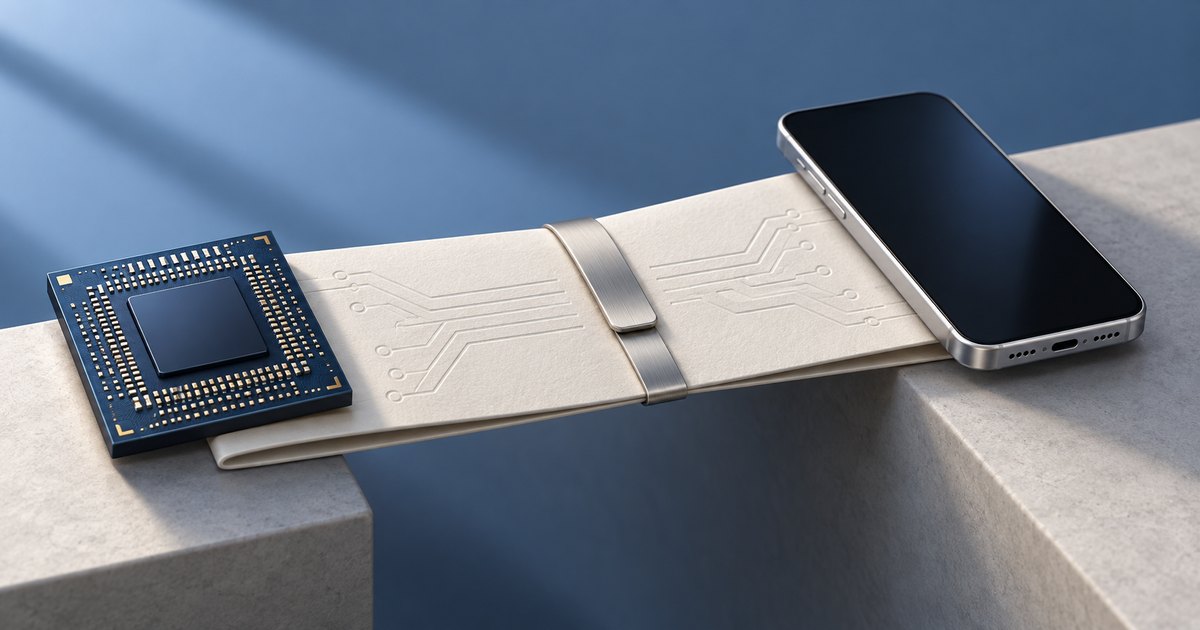
Apple wants to buy cheap memory chips from a Chinese company the Pentagon considers a military-linked entity. The rationale is straightforward: CXMT reportedly offers contracts that come in up to 30% cheaper than competing suppliers. That cost advantage is compelling when commodity DRAM prices are elevated, and Apple's margins on mid-range devices are under pressure.
CXMT has demonstrated rapid growth. The company's projected revenue for fiscal year 2025 sits at approximately $8.6 billion, a 156% jump year-over-year. More tellingly, it recently posted its first positive net income at $1 billion, with gross margins at 37.8%. Production capacity has expanded to 300,000 wafers per month.
But there's a hard limit to CXMT's reach. CXMT manufactures commodity-grade DRAM, products like DDR5 and LPDDR5X. These are the memory chips that go into phones, tablets, and consumer PCs. The HBM market is controlled by three companies: Micron, Samsung, and SK Hynix. CXMT doesn't compete here. High-bandwidth memory powers AI accelerators and data-center processors — the segment driving the entire semiconductor industry's growth. Its technology is estimated to be one to three generations behind its global competitors.
Why Micron isn't sweating yet
Micron's moat isn't in commodity DRAM anymore. For Micron specifically, the investment thesis increasingly rests on its AI memory portfolio. The company has positioned itself as one of only three suppliers capable of delivering HBM chips to cloud providers and chip designers.
Still, the pressure on commodity pricing is real. Micron's revenue exposure to China has already dropped significantly, falling from around 14% in 2023 to an estimated 7% by 2025. CXMT's growing domestic market share is a major reason for that decline.
The geopolitical wildcard
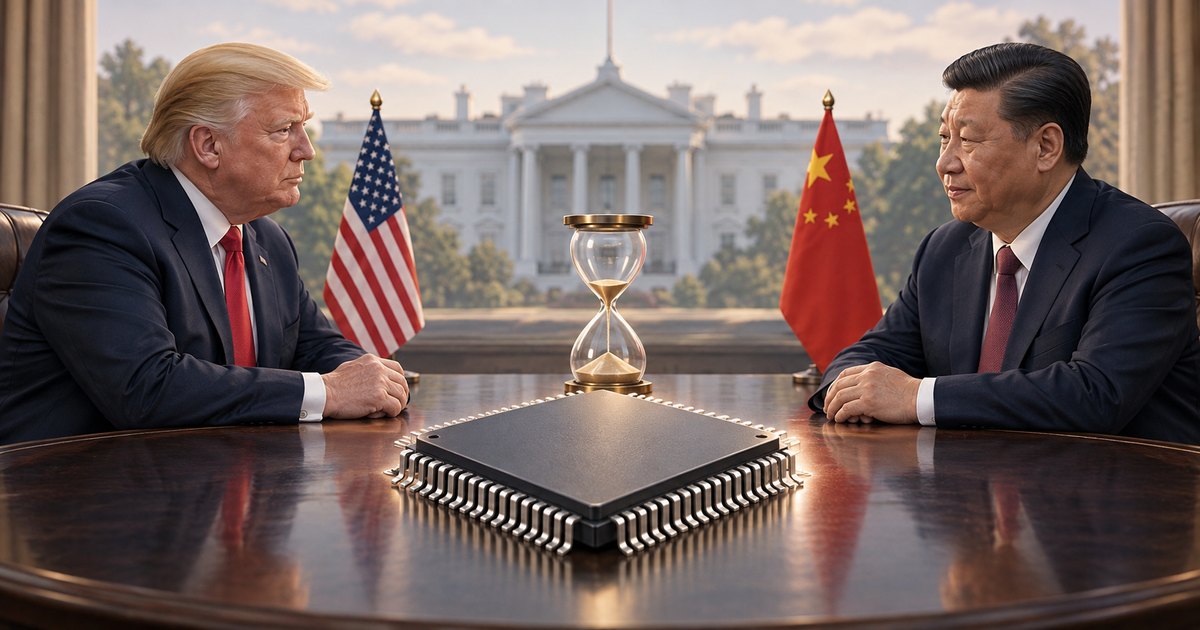
If CXMT secures a waiver to sell to Apple, it would mark a notable expansion beyond China's borders, putting incremental pressure on commodity DRAM pricing globally. The move would signal a shift in U.S. semiconductor policy toward cost pragmatism over strict decoupling.
There's a catch. CXMT sits on the Pentagon's military list, which means any waiver Apple secures would be politically charged and potentially reversible. A change in administration or geopolitical tensions could undo the arrangement overnight. For Apple, the 30% savings on commodity chips must be weighed against supply-chain fragility and regulatory risk.