China suspends approvals for new battery storage manufacturing projects
In brief
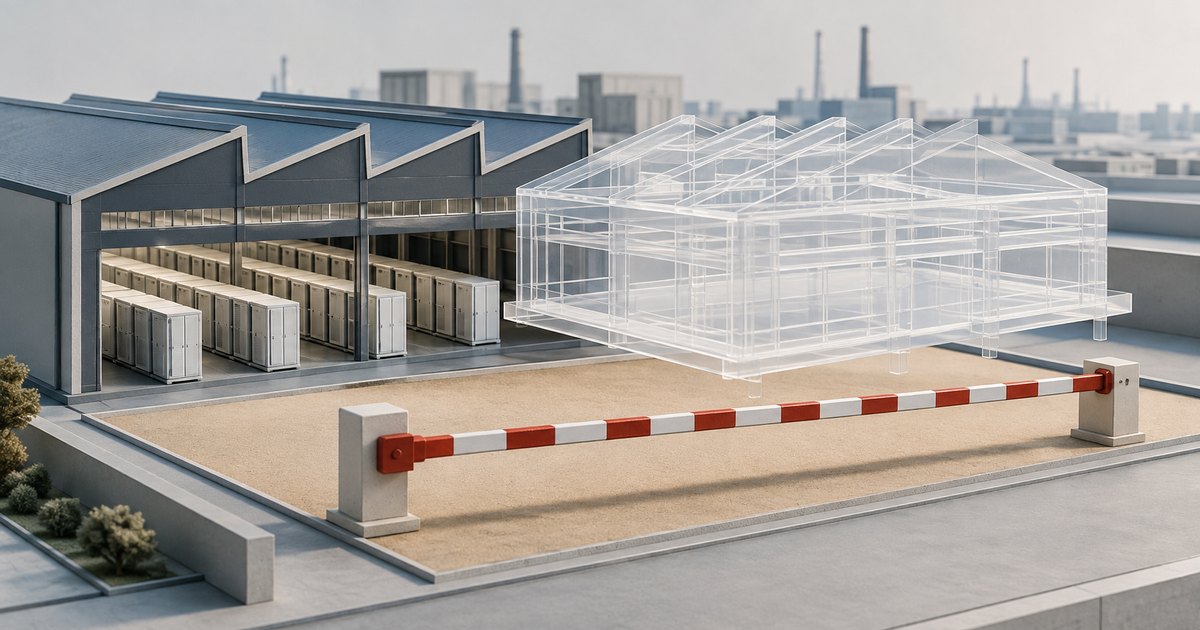
- China froze approvals for new battery storage factories on September 7, targeting unbuilt projects while allowing existing construction to continue.
- H1 2026 energy storage capacity fell 18% year-over-year, signaling weakening demand amid price declines.
- China reinstated a 2% consumption tax on lithium-ion batteries in September, scheduled to rise to 4% by September 2027.
Market Slowdown Triggers Intervention
New energy storage capacity commissioned in the first half of 2026 fell 18% compared to the same period a year earlier, reflecting both weakening demand and intensifying competition. Solar manufacturers have muscled into the storage space, and prices were already declining before the regulatory freeze took effect.
The timing matters. Mandatory co-location rules that once required renewable energy projects to pair with on-site storage were relaxed, removing a key driver of battery demand. Without that regulatory floor, the market shifted. Any company that had not yet secured approval for a new facility before September 7 is now waiting indefinitely.
Taxation and Industry Precedent
On September 1, 2026, China reinstated a consumption tax of 2% on lithium-ion batteries. The rate is scheduled to climb to 4% by September 2027, adding cost pressure to manufacturers already competing on razor-thin margins.
This isn't Beijing's first rodeo with industrial overcapacity. China has been running similar playbooks across other industries experiencing overcapacity—steel, solar panels, and electric vehicles—using approvals freezes and taxation to cool supply before it destabilizes prices entirely.
Global Implications
China is the world's largest battery manufacturer by a considerable distance. Any slowdown in Chinese production capacity ripples through global supply chains. Yet demand for batteries tied to grid balancing and backup power applications continues to grow, suggesting the freeze is a circuit-breaker rather than a long-term demand collapse.
The regulatory pause buys time for market consolidation. It also raises questions about whether innovation will suffer when new entrants face indefinite approval delays. For now, companies with existing facilities can keep building. Everyone else waits.