Chinese Banks Uncover $2.8B Counterfeit Gold Fraud at Kingold Jewelry
In brief
- Kingold Jewelry: $2.8 billion counterfeit gold collateral discovered by Chinese banks.
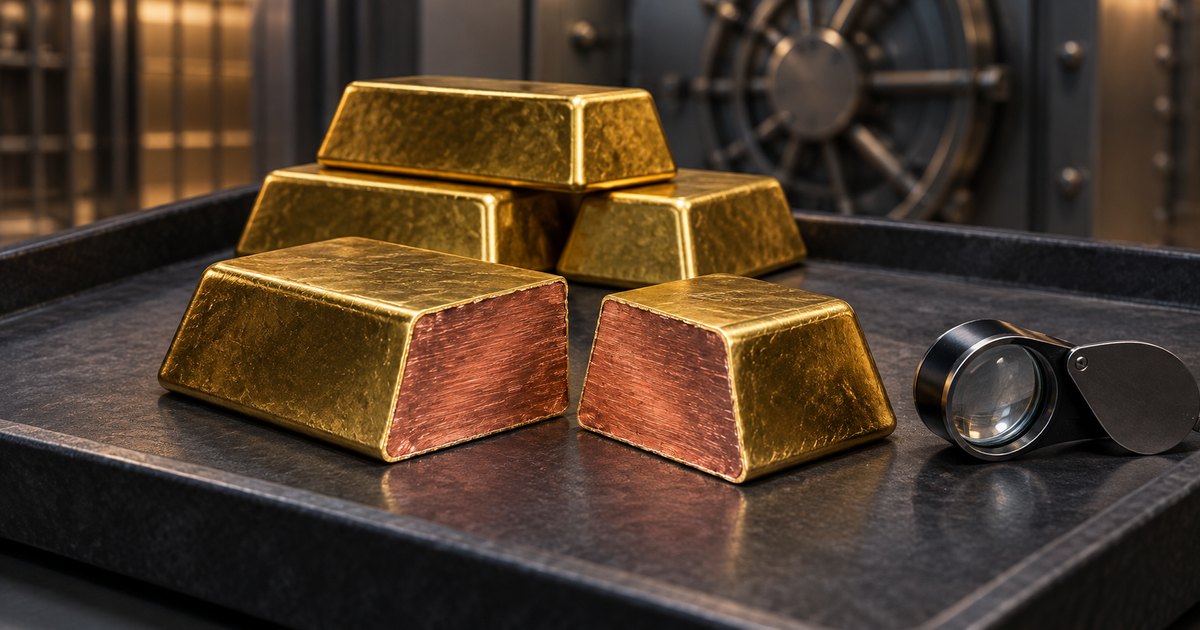
- 83 tonnes of gilded copper masqueraded as genuine gold in lending transactions.
- Fraud exposed critical deficiencies in China's gold-backed lending verification systems.
- Kingold's involvement remains under investigation; no formal charges filed yet.
The Discovery
Chinese banks loaned approximately $2.8 billion using collateral purported to be gold. When lenders moved to sell the assets, they found the material was not genuine. The 83 tonnes consisted of gilded copper, not the precious metal pledged as collateral. More than a dozen Chinese financial institutions were involved in the lending arrangements.
The fraud was uncovered when lenders attempted to liquidate the collateral, an ordinary step in gold-backed lending operations. The timing of the discovery suggests the counterfeiting went undetected through multiple stages of the lending process, from initial appraisal through ongoing collateral management.
Kingold's Role Remains Unclear
Kingold Jewelry, a Nasdaq-listed company based in Wuhan, is linked to the fraudulent assets. However, the company's precise role in the scheme remains under investigation. Kingold has not been formally charged in connection with the counterfeit collateral. It's possible the company itself was defrauded by a supplier or intermediary, a scenario that would require separate investigation to establish.
Verification Gaps Exposed
The incident highlighted significant deficiencies in the verification processes within China's gold-backed lending market. The scale of undetected counterfeiting—83 tonnes across multiple institutions—suggests either systematic gaps in collateral authentication or insufficient oversight during the loan lifecycle. Chinese regulators will likely scrutinize how banks conducted initial appraisals and ongoing collateral monitoring, particularly given the involvement of a publicly listed company.