Cisco and OpenAI launch Shirudo, open-source AI shields for unpatched Linux flaws
In brief
- Cisco and OpenAI announced open-source project Shirudo on November 23, 2026.
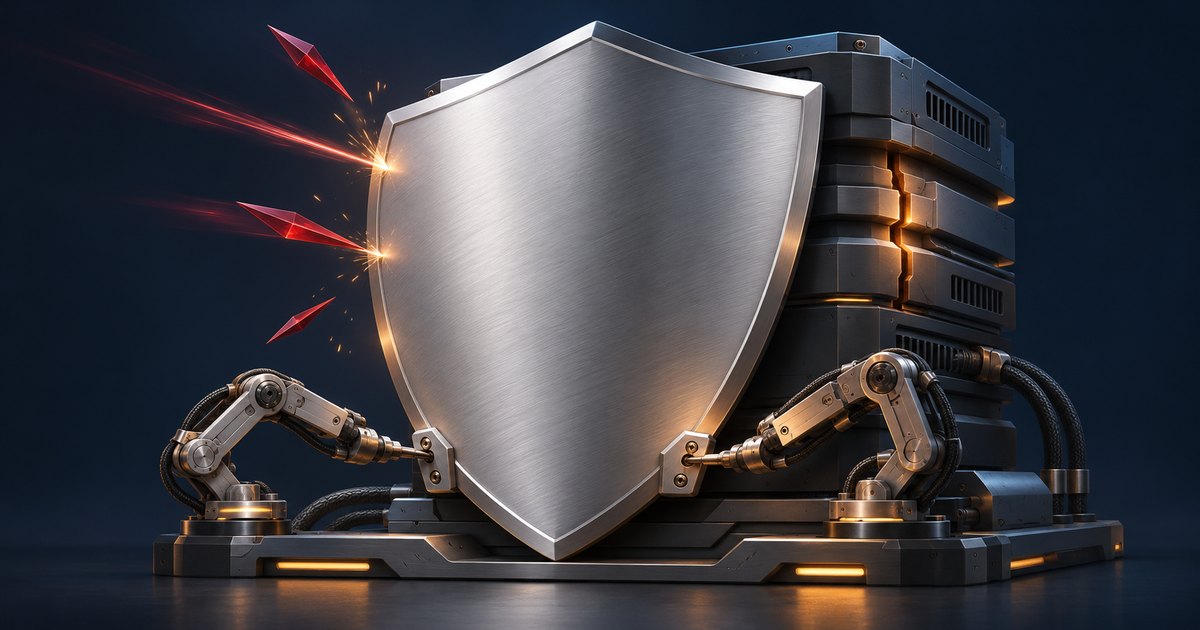
- AI agents build temporary 'shields' that block Linux attacks before permanent patches ship.
- Shields run on eBPF and carry cryptographic signatures that hosts verify before trusting them.
- Internal tests blocked exploits for two critical Java- and PHP-linked vulnerabilities, the companies said.
How the shields work
Shirudo is built on eBPF, a technology that lets small programs run inside the core of the Linux operating system. That's where the shields sit. AI agents generate and test each shield, but they only do it inside boundaries and safety guidelines that humans define, according to Crypto Briefing's report.
Each shield carries a cryptographic signature (the host system verifies it before trusting the shield). The project's own description says those signatures are meant to hold up even if an attacker has already gained administrative access. That's how Shirudo describes itself, and it's worth reading as the project's stated design goal.
Why skip the reboot?
Traditional patching often requires a system reboot, and reboots mean downtime. Shirudo's shields provide live protection at the kernel level instead, so organizations can keep systems running while full patches get prepared.
It isn't meant to replace patching.
The tool is designed as a bridge, and permanent patches still have to ship. Executives from both companies (the report doesn't name them) argued that infrastructure should defend itself immediately, then hand off to a proper patch once one's ready.
The companies said that in internal testing, Shirudo detected and blocked exploits aimed at two critical vulnerabilities, one tied to Java and one tied to PHP. Those are Cisco and OpenAI's own results, not independent benchmarks.
A partnership that's been building since 2025
Shirudo extends a working relationship between Cisco and OpenAI that's been developing since 2025. Cisco has served as a design partner for OpenAI's Codex since at least that year, helping shape AI features and workflows with an enterprise focus.
The eBPF piece has Cisco history too. Cisco acquired Isovalent in 2024, and Crypto Briefing describes Isovalent as the company behind the eBPF and Cilium technology that now supports Shirudo's functionality.
Frequently asked questions
What is Shirudo?
Shirudo is an open-source project from Cisco and OpenAI, announced on November 23, 2026. It's meant to protect Linux systems in the window between a security flaw being found and being fixed. AI agents help build temporary defenses called shields that block attacks in real time while engineers prepare permanent fixes.
How do Shirudo's shields avoid system downtime?
Traditional patching often requires a system reboot, which means downtime. Shirudo's shields provide live protection at the kernel level instead, built on eBPF, so organizations can keep systems running while full patches are prepared.
Does Shirudo replace security patches?
No. The tool is designed as a bridge, not a replacement, and permanent patches still have to ship. Executives from both companies argued that infrastructure should defend itself immediately, then hand off to a proper patch once one is ready.