Coinone support contractor breach may have exposed passwords and ID details
In brief
- Coinone says an attacker accessed the server of support contractor MetaM on Nov. 12.
- Passwords, bank account numbers and resident registration numbers may be among the exposed items.
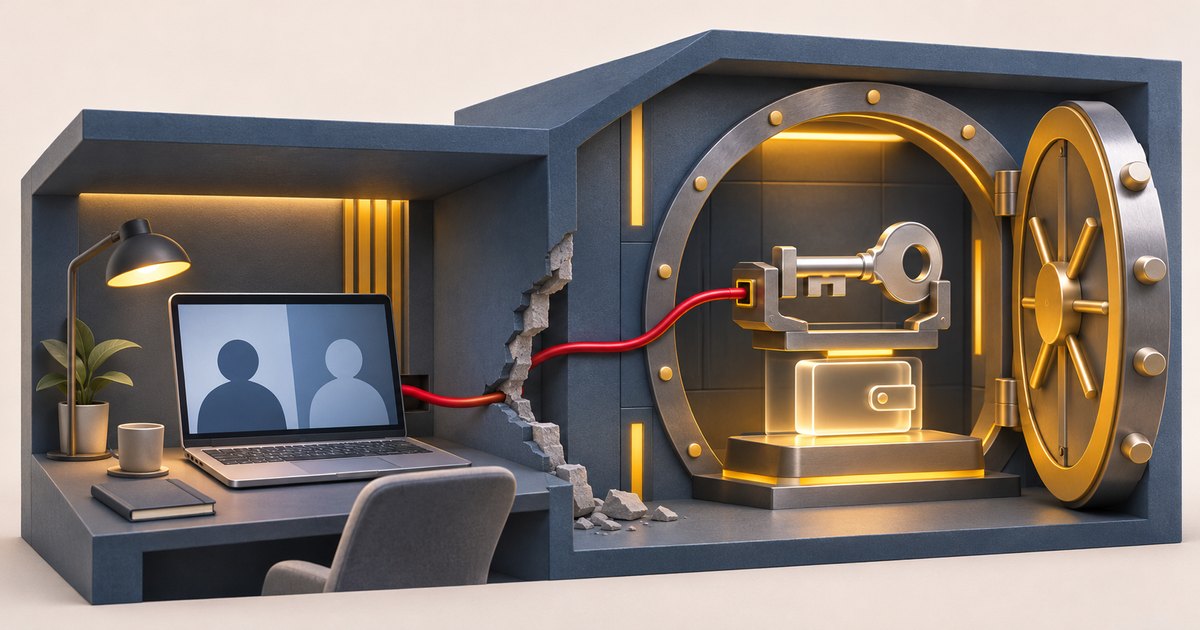
- Coinone says its account, trading and wallet systems are separate and show no intrusion so far.
- Coinone's Nov. 15 notice gives no affected-customer count or lookup-service launch date.
What Coinone says happened
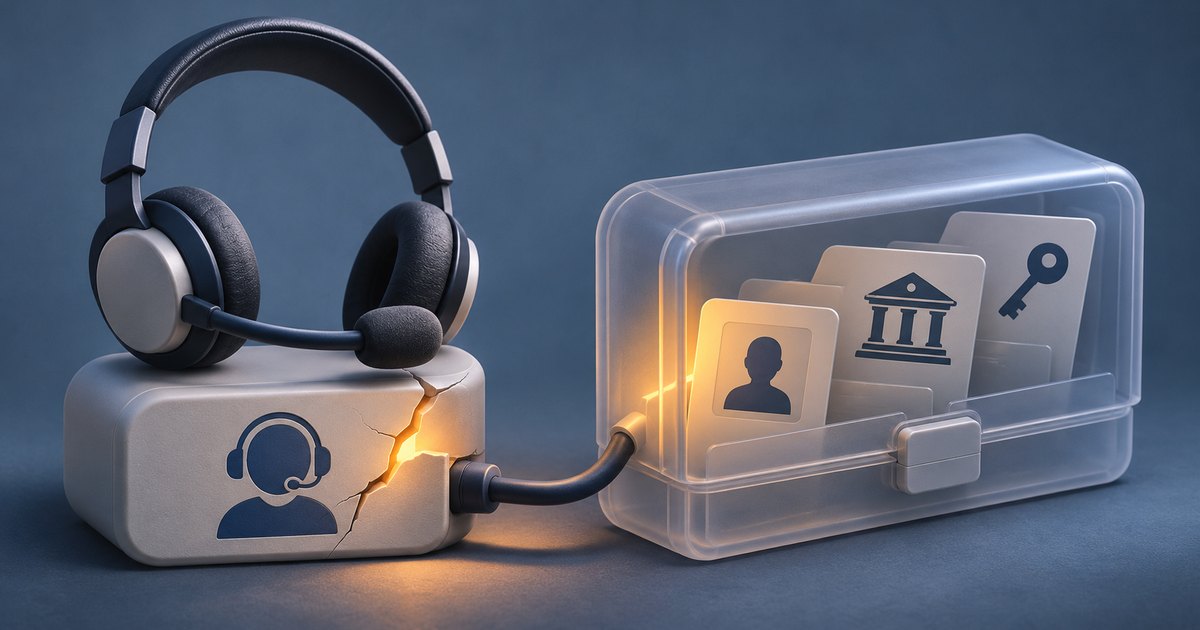
According to Coinone, an attacker illegally accessed MetaM's server on Nov. 12 and viewed or leaked stored consultation information. The access happened around 4 a.m. Korean Standard Time, and Coinone said it got MetaM's report around 9:20 a.m. the same day. The exact timing and circumstances of the leak are still under investigation, the exchange said.
The data came from what customers supplied during chat or phone consultations. Coinone's list of potentially exposed items covers names, phone numbers, email addresses, birth dates, bank account numbers, passwords, resident registration numbers, ID-document issue dates, home addresses, wallet addresses and transaction IDs (exposure varies depending on what each person shared). Customers with no consultation history aren't affected, according to the exchange.
The notice doesn't say how many customers were hit.
Coinone plans separate notifications or a personal-information exposure lookup service so people can check which items apply to them. It hasn't given a launch date.
Passwords, phishing and what's walled off
Customers who gave a password in a support session were asked to change their Coinone password and any matching passwords used on other websites.
Coinone said its account, trading and crypto wallet systems run separately from MetaM's server, and that it's found no signs of direct intrusion into them so far. Every login requires a second step (a registered OTP method or KakaoTalk verification on a phone in the customer's name). The exchange said the leaked data alone can't let someone else log in or withdraw assets.
The risk it flagged is social engineering. Coinone warned the information could be used for voice phishing, phishing emails, spam texts and identity theft, and that a caller or message referencing a real support conversation could still be an impersonator. It said it never asks for passwords, one-time passwords or verification codes by phone, text or email, and never requests crypto withdrawals or wallet-address changes that way.
Response and reporting
Coinone said it blocked attack-related IP addresses and access to the customer center, strengthened monitoring and security, and moved outsourced support to email consultations. The notice also points customers to password-change and account-lock functions in the app and on the website, plus a way to review registered withdrawal addresses.
The exchange said it reported the incident to the Korea Internet & Security Agency, the Personal Information Protection Commission and the Financial Supervisory Service.
Frequently asked questions
Which Coinone customers are affected by the MetaM breach?
Coinone said the potentially exposed data came from details customers gave during chat or phone support consultations, and exposure varies by customer. Customers with no customer-center consultation history are unrelated to the leak, according to the exchange.
Can the leaked Coinone data be used to log in or withdraw funds?
According to Coinone, the leaked information alone can't let someone else log in or withdraw assets, because every login requires a second authentication step. The exchange said its account, trading and wallet systems run separately from MetaM's server and it has found no signs of direct intrusion so far.
What should Coinone customers watch out for after the breach?
Coinone warned the data could be used for voice phishing, phishing emails, spam texts and identity theft. It said it never asks for passwords, one-time passwords or verification codes by phone, text or email, and never requests withdrawals or wallet-address changes that way.