DBS and JPMorgan's Kinexys link dollar accounts for 24/7 transfers, Ant first client

In brief
- DBS and Kinexys linked blockchain-based dollar accounts in Singapore and the US.
- Ant International is the first client; Partior coordinates settlement between the banks.
- Transfers to traditional accounts pause every Saturday, 3 p.m. to 6 p.m. Eastern Time.
- Fees and Ant's required cash holdings were not disclosed by the banks.
How the link works
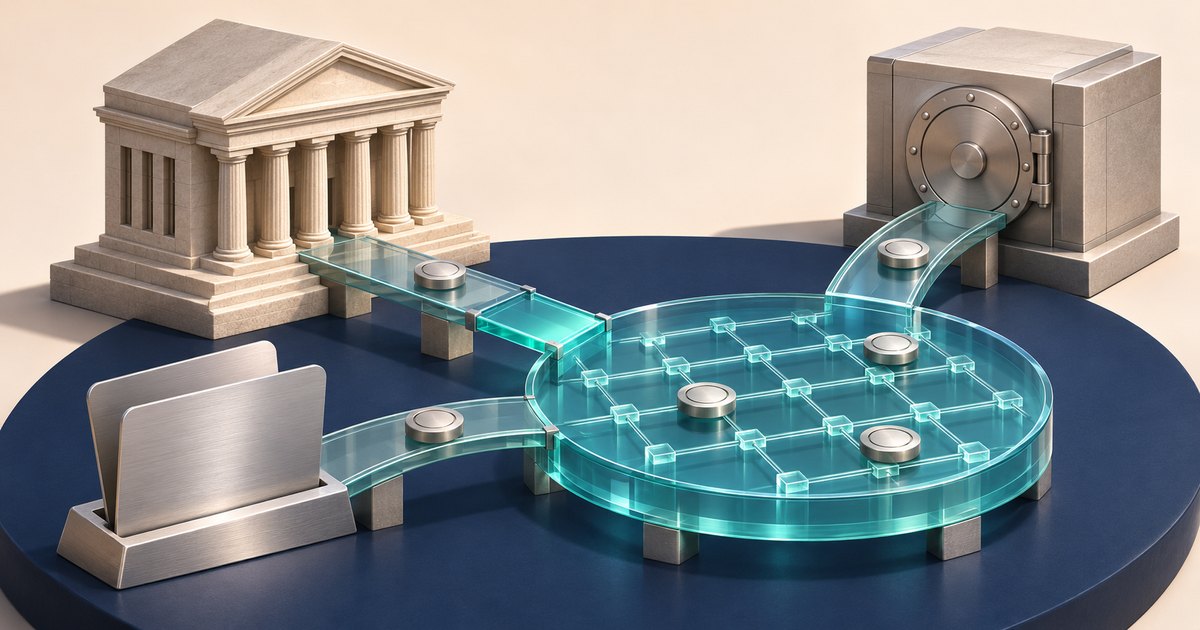
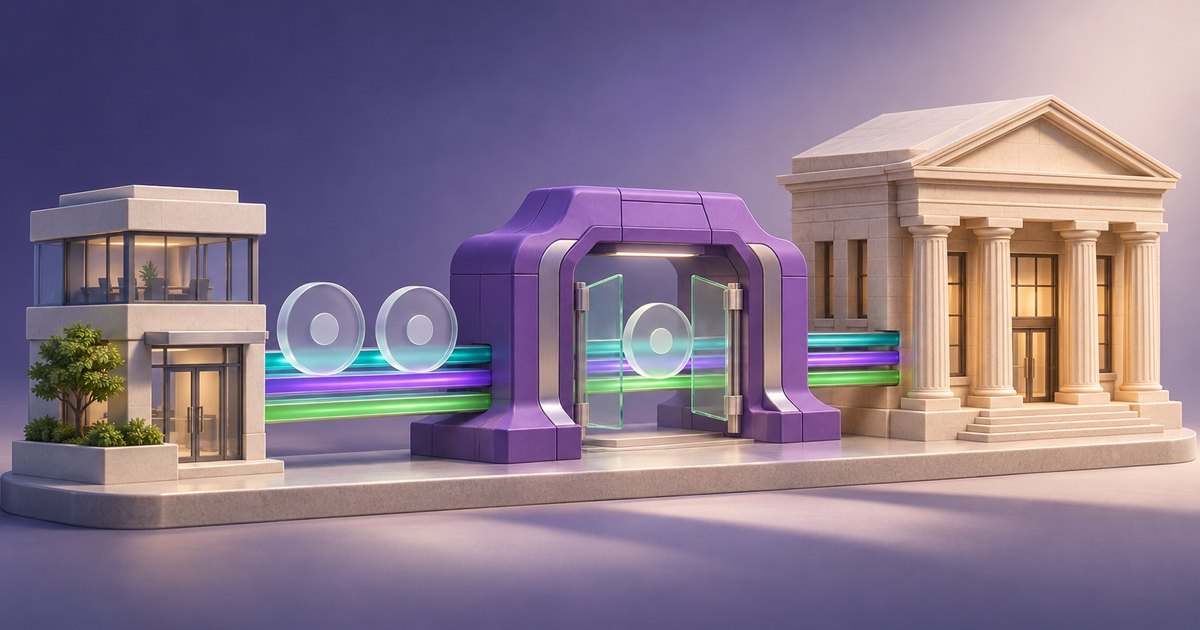
The connection uses Partior to coordinate settlement between the two banks' permissioned networks, DBS said. It isn't a brand-new idea (the banks announced an interoperability framework in November 2025), but this launch puts a working service behind it.
DBS said transfers within Kinexys's Blockchain Deposit Account network operate 24/7/365. There's a catch, though. Moving money between those blockchain accounts and traditional demand-deposit accounts has a maintenance interruption every Saturday from 3 p.m. to 6 p.m. Eastern Time, according to the announcement.
For corporate treasurers, CryptoSlate described it as another way to move bank deposits outside traditional banking hours.
What wasn't disclosed
The banks didn't disclose fees or how much cash Ant needs to keep on hand, so companies don't have a like-for-like cost comparison with stablecoin transfers.
Neither figure was published.
Deposits vs stablecoins
The structural difference is simple. A tokenized deposit represents a bank deposit, while USDC is issued by Circle affiliates and backed by cash and cash-equivalent reserves.
Circle says standard banking-rail USDC redemptions can be free and typically settle in up to two business days, while qualifying Circle Platform and Circle Payments Network customers can get free near-real-time redemption. Circle attributes that speed to cash pre-positioned at bank partners (which earns less than Treasuries), and its Mint terms make instant settlement conditional on participating banks offering it. Direct Mint access is restricted to eligible institutions; individuals get USDC through exchanges and wallets.
A Bank for International Settlements working paper published Oct. 13 used weekly US data from January 2019 through June 2025. Researchers Rashad Ahmed and Iñaki Aldasoro found that higher deposit rates were followed by slower stablecoin growth, and the relationship was stronger for USDC than for USDT.
Frequently asked questions
How is a tokenized deposit different from USDC?
A tokenized deposit represents a bank deposit. USDC is issued by Circle affiliates and backed by cash and cash-equivalent reserves. Direct Circle Mint access is restricted to eligible institutions, while individuals obtain USDC through exchanges and wallets.
Does the DBS and Kinexys link really run 24/7?
DBS said transfers within Kinexys's Blockchain Deposit Account network operate 24/7/365. Moving money between those blockchain accounts and traditional demand-deposit accounts has a maintenance interruption every Saturday from 3 p.m. to 6 p.m. Eastern Time.
How much does the DBS and JPMorgan service cost compared with stablecoins?
The banks did not disclose fees or how much cash Ant International needs to keep on hand, so there's no like-for-like cost comparison with stablecoin transfers. Circle says standard banking-rail USDC redemptions can be free and typically settle in up to two business days.