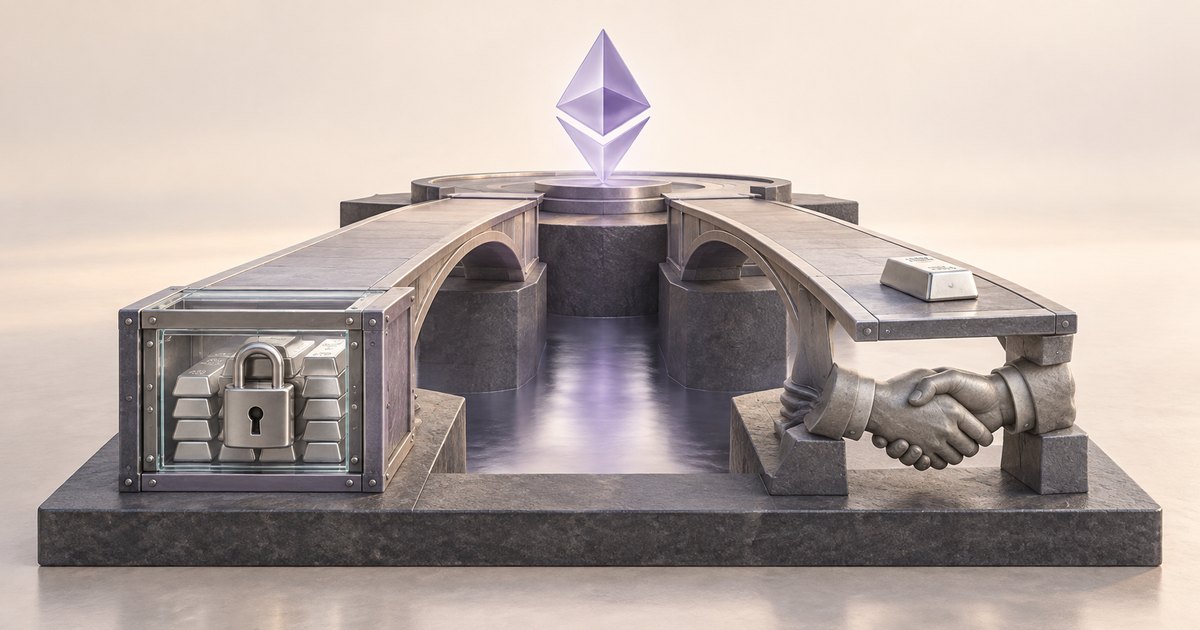
Ethereum and Base end account abstraction standard talks, pursue separate designs

In brief
- Ethereum and Base abandoned unified account abstraction standard negotiations
- Ethereum advancing Frame Transactions via EIP-8141 in Hegotá upgrade
- Base developing Keystore native account abstraction under EIP-8130
- Wallet developers must support multiple transaction formats across networks
Standards diverge after interoperability talks stall
Ethereum and Base failed to agree on a shared account abstraction standard as each chain prioritized its own technical vision. Interoperability became secondary to core network goals, according to Chiang. The split means wallets will bear the complexity of bridging incompatible designs.
L1 blockchains like Ethereum emphasize censorship resistance, open-source infrastructure, privacy, and security. Layer-2 networks like Base prioritize scalability. These competing priorities drove the divergence.
Ethereum's path: Frame Transactions and post-quantum auth
Ethereum is advancing Frame Transactions under EIP-8141 as a "headliner" item under its Hegotá upgrade. The upgrade would introduce native account abstraction and create a path toward post-quantum authentication. Developers could begin implementing Hegotá in late 2026 following Glamsterdam, which is designed to improve scalability, harden the L1, and make the network easier to use. Glamsterdam mainnet launch is expected in the second half of 2026.
Base's approach: Keystore on devnet
Base is developing native account abstraction via Keystore under EIP-8130, currently live on devnet. Account abstraction itself allows programmable rules for authorizing transactions and paying fees—a core building block for improving user experience across Web3.
The practical consequence is clear: the divergence could require wallet developers to support separate transaction formats to provide a consistent experience across networks. Both chains are now "free to innovate on AA to the maximal extent in accordance with their own visions," Chiang said. That freedom comes at the cost of interoperability.
Frequently asked questions
What is account abstraction and why does it matter?
Account abstraction allows programmable rules for authorizing transactions and paying fees. It's a key mechanism for improving user experience in Web3 by enabling more flexible transaction models and reducing friction for onboarding new users.
Why did Ethereum and Base stop working together on wallet standards?
Interoperability standards became secondary to each chain's core goals. L1s like Ethereum prioritize censorship resistance and security, while L2s like Base prioritize scalability. These competing priorities drove both networks to pursue separate account abstraction designs.
What's the impact on wallet developers?
The divergence could require wallet developers to support separate transaction formats across Ethereum and Base to provide a consistent user experience. This fragmentation adds complexity and development overhead.