Fed rate hike odds fall to 45% as inflation, jobs data clash

In brief
- CME FedWatch Tool shows 45% odds of 25bp rate hike at September 16-17 FOMC meeting
- Consumer inflation at 4.2% remains above Fed's 2% target despite July jobs disappointment
- Hold expectations climbed to 52% by early August; October hike odds near 60%
Inflation vs. Labor Market
The central bank is caught between two opposing forces. Consumer inflation clocked in at 4.2% as of May 2026, a reading that sent rate hike expectations climbing—but it remains well above the Fed's 2% target. At the same time, labor market signals are getting softer, with the July employment report underperforming expectations.
The math shifted sharply in August. By early August, the odds for a September hike settled into the 45-48% range, while the probability of a hold edged up to roughly 52%. This marks a notable pullback from May, when the probability of a September hike was hovering just under 50%.
The Dilemma Ahead
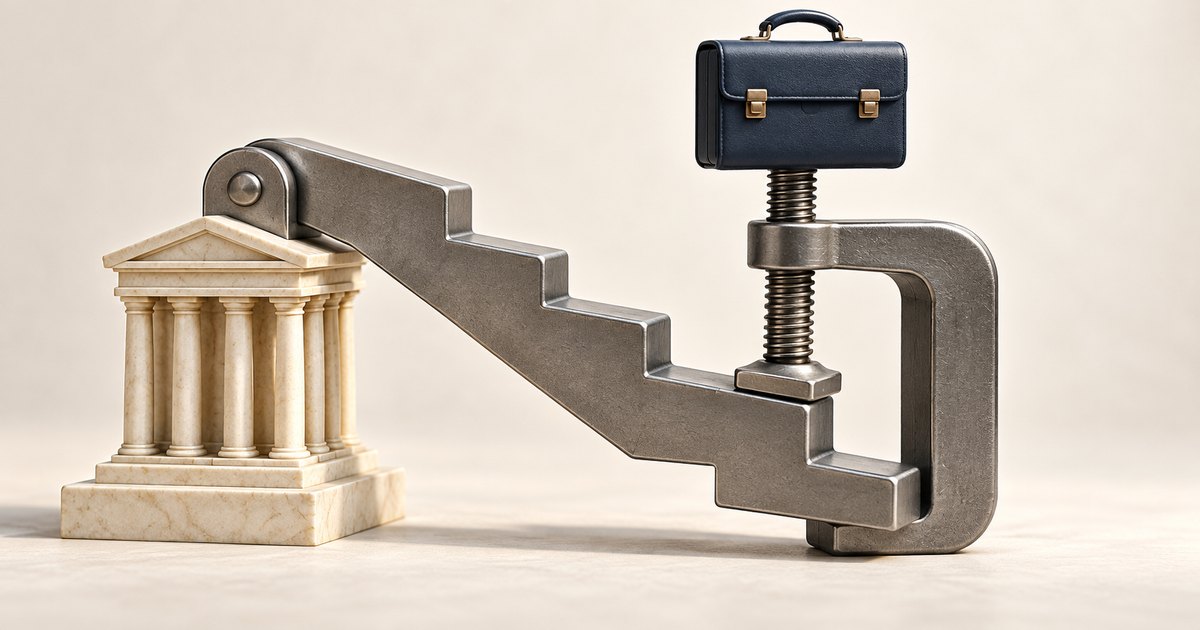
The Fed's predicament is structural. If the Fed does raise rates to 3.75-4.00%, borrowing costs across the economy will increase, affecting mortgage rates, corporate debt, and auto loans. That's a headwind for an economy already showing fatigue. But hold steady, and inflation expectations could entrench above the 2% target—forcing even more aggressive moves later.
Markets are hedging their bets. Approximately 60% of market participants expect a rate hike by the October FOMC meeting, suggesting traders think a September hold may just delay the inevitable.
What Comes Next
The September FOMC meeting will include updated economic projections and a press conference from Fed Chair Jerome Powell. Before that, the upcoming August jobs report and any inflation data released before the FOMC meeting will likely serve as the final inputs determining the rate decision.
The CME FedWatch Tool, which translates fed funds futures pricing into implied probabilities, has become the go-to dashboard for tracking rate expectations. It's refreshed daily as traders reprrice their bets on economic data and Fed commentary.