Google cuts a key class of quantum errors 40-fold on its Willow chip
In brief
- Google Quantum AI cut a critical class of quantum errors roughly 40-fold on Willow, per a Science paper.
- Google's method discards 92% of rough states; surviving states reached 99.99% fidelity.
- RSA-2048 would require error rates about a million times cleaner to break, Decrypt reported.
- Justin Drake, an Ethereum researcher, argued AI-driven mathematics, not quantum, would break elliptic curves first.
What Google actually did
Some quantum operations need clean, single-use resources, and by some estimates producing them eats up to 95% of a machine's capacity. That's the bottleneck Google went after.
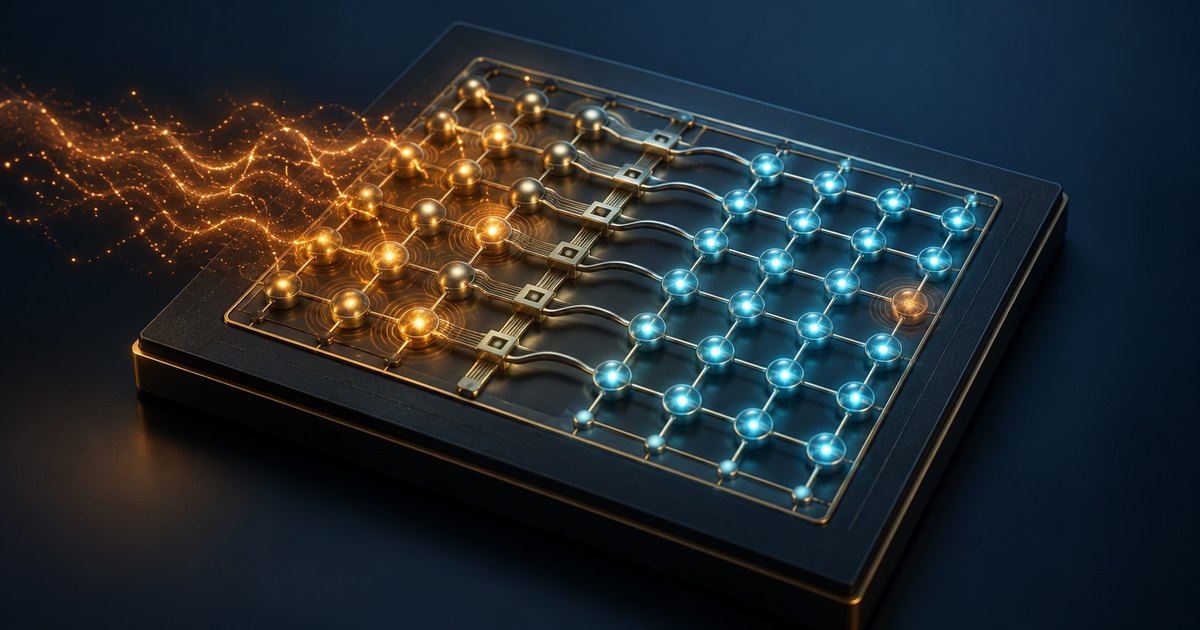
Google didn't build dedicated qubit factories. Its method filters instead: it injects a rough state, runs it through checks and throws out the 92% that fail. The states that survive reached 99.99% fidelity, according to Decrypt's account of the paper.
It's a real step forward. It isn't a wallet-cracker.
How far off is an attack?
Breaking an RSA-2048 key needs error rates around one in 10 billion, which Decrypt described as about a million times cleaner than Google's result. Decrypt noted that the qubit estimates have been falling, though (in 2019, cracking RSA-2048 was thought to need 20 million noisy qubits, and by 2025 the figure was under one million). A March 2026 Google whitepaper put Bitcoin's elliptic curve cryptography at under 500,000 physical qubits, according to Decrypt's account.
Willow has 105.
That's the basis for the newsletter's "Bitcoin still safe" framing. It's Warner's analysis in Decrypt's Morning Minute, and the opinions are his own rather than Decrypt's.
The warning that isn't about quantum
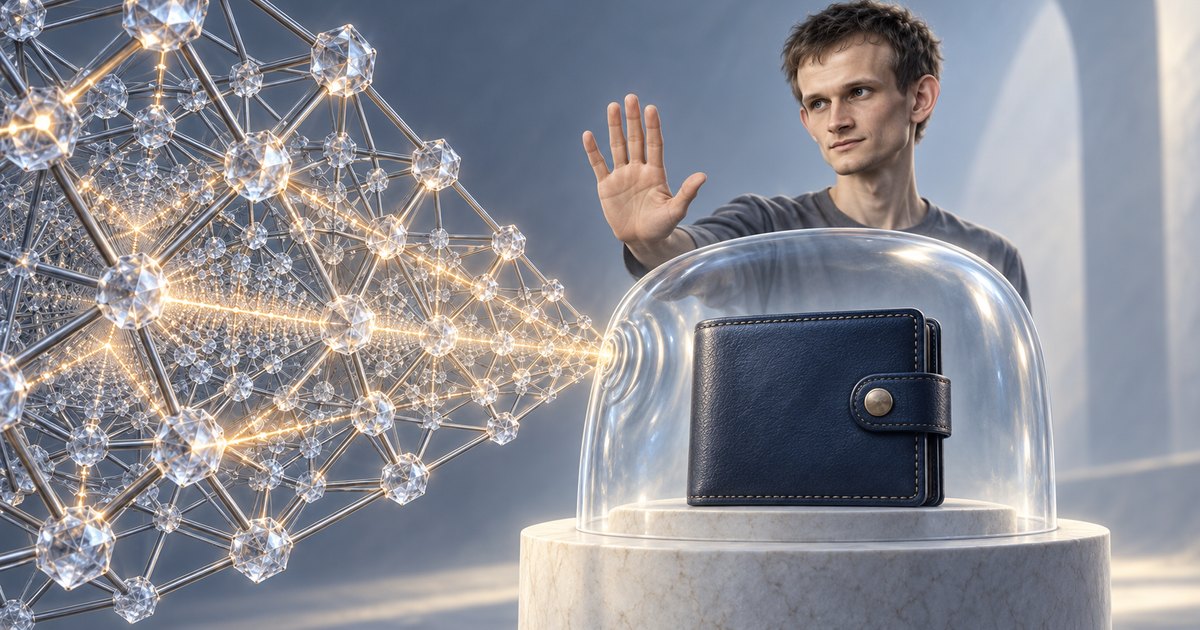
Warner wrote that Ethereum researcher Justin Drake's bigger worry lies somewhere else entirely.
He thinks AI-driven mathematics breaks elliptic curves first, on ordinary hardware, in “months not years.”
Drake's advice, as Decrypt relayed it, was for big holders to move funds to fresh addresses that have never signed a transaction, since signing exposes the public key. The newsletter said that advice came eight days before Google published.
Other parts of the industry are already moving. Coinbase spent the week arguing the migration to quantum-resistant cryptography has to start now. Sui is running quantum-safe transactions on a test network, and Ethereum, Zcash and Near each have plans to become quantum-resistant, Decrypt reported.
Frequently asked questions
Can Google's Willow chip break Bitcoin's cryptography?
Not according to Decrypt's account. A March 2026 Google whitepaper put Bitcoin's elliptic curve cryptography at under 500,000 physical qubits, and Willow has 105. Newsletter author Tyler Warner wrote that nobody is draining wallets with Google's technique.
How far is Google's result from breaking RSA-2048?
Decrypt reported that breaking an RSA-2048 key needs error rates around one in 10 billion, about a million times cleaner than Google's result. According to Decrypt, qubit estimates for the attack fell from 20 million noisy qubits in 2019 to under one million by 2025.
What did Justin Drake advise crypto holders to do?
As relayed by Decrypt, Ethereum researcher Justin Drake advised big holders to move funds to fresh addresses that have never signed a transaction, because signing exposes the public key. He argued AI-driven mathematics, not quantum computing, would break elliptic curves first on ordinary hardware.