GSR's Taaffe says tokenized RWA demand lags supply at Cointelegraph Singapore event

In brief
- Tokenized RWA demand hasn't kept pace with new issuance, GSR's Alex Taaffe said.
- More issuers and blockchains have further fragmented liquidity, Taaffe said.
- Stablecoin adoption depends on everyday spending use, said ether.fi's Mike Silagadze.
- Rules differing across jurisdictions remain a hurdle, said FinHarbor's Ilya Podoynitsyn.
- Stablecoin market cap stands at $306 billion, per DefiLlama data cited by Cointelegraph.
Supply is running ahead of demand
Taaffe spoke on a panel on liquidity and market fragmentation, one of four panel discussions Cointelegraph held at the event (the others covered stablecoin payments, onchain trading infrastructure and venture capital exits, alongside a startup pitch competition). He said liquidity is improving in trading for pre-IPO stocks, commodities and global equities that investors previously had limited access to.
Demand is the part that's lagging.
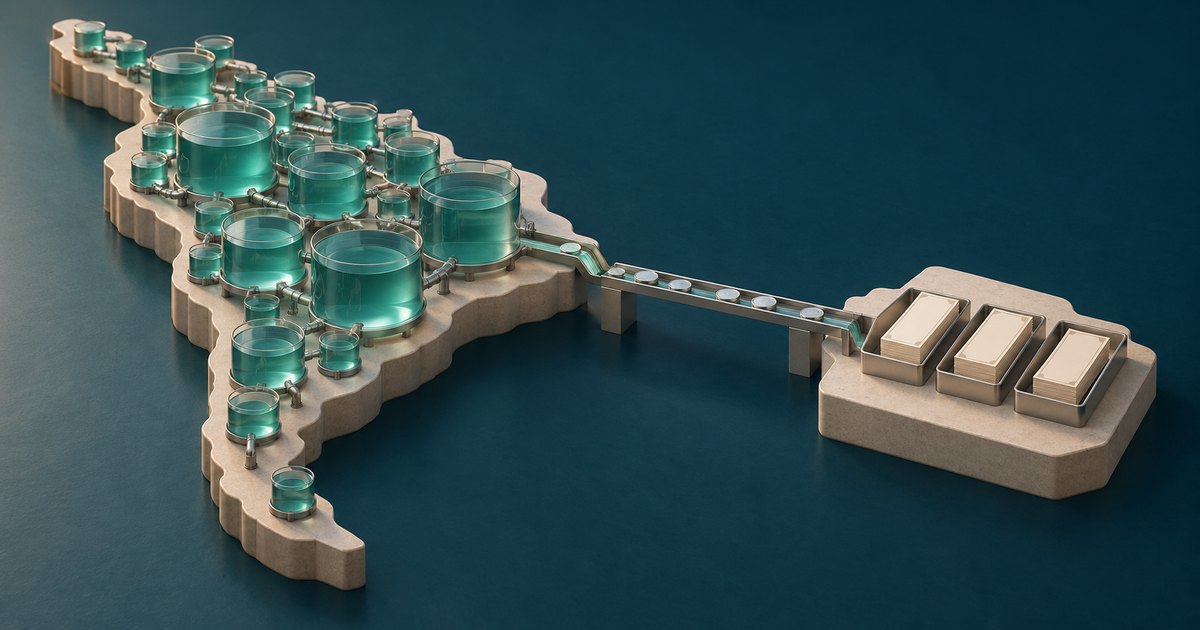
Taaffe said demand for fully tokenized RWAs hasn't kept pace with the growing number of assets being issued, and that the rising number of asset issuers and blockchains has further fragmented liquidity across tokenized markets. Lingling Jiang, partner at DWF Labs, agreed that fragmentation remains a challenge, particularly when different issuers tokenize the same underlying asset but create separate liquidity pools. She also said crypto liquidity has improved significantly in recent years, though the industry still has more work to do.
Stablecoins still don't plug into daily life
Mike Silagadze, founder and CEO of ether.fi, spoke on the "Stablecoins at the Point of Sale: Cards, Wallets and the Race for Everyday Spend" panel. He said stablecoins have made cross-border transfers easier, but that wider adoption depends on whether consumers can use them for everyday expenses. He pointed to Singapore, where consumers may hold USDC but still need local currency to pay bills.
“The reason no one uses stablecoins in many parts of the world is because it just doesn’t plug into your day-to-day life,” Silagadze said.
Yvonne Chia, head of communications at USDD, said that from the user's point of view, user experience is the most important factor for a stablecoin issuer. Ashna Vaghela, chief customer officer at crypto payments provider Mercuryo, said stablecoin payments should become as simple as using Apple Pay, with users able to complete transactions without leaving an app.
Rules differ by market
Ilya Podoynitsyn, co-founder and CEO of FinHarbor, said regulatory hurdles remain. Providers have to navigate rules that differ across jurisdictions, he said, and that forces them to adapt their infrastructure and compliance systems to each market.
The discussion came as stablecoin market capitalization stood at $306 billion, according to DefiLlama data cited by Cointelegraph. That's up about 2% year over year, after roughly 74% growth in the previous 12 months.
Frequently asked questions
Why is liquidity a problem for tokenized real-world assets?
GSR's Alex Taaffe said demand for fully tokenized RWAs hasn't kept pace with the growing number of assets being issued. He also said the rising number of asset issuers and blockchains has further fragmented liquidity across tokenized markets. DWF Labs partner Lingling Jiang added that fragmentation is worse when different issuers tokenize the same underlying asset but create separate liquidity pools.
What is holding back everyday stablecoin payments?
ether.fi CEO Mike Silagadze said wider adoption depends on whether consumers can use stablecoins for everyday expenses, pointing to Singapore, where people may hold USDC but still need local currency to pay bills. FinHarbor CEO Ilya Podoynitsyn said rules that differ across jurisdictions force providers to adapt their infrastructure and compliance systems to individual markets.